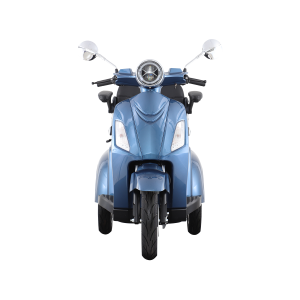
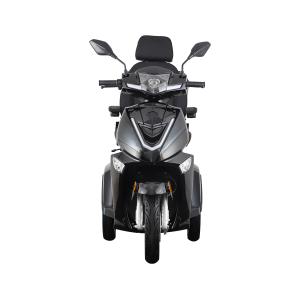
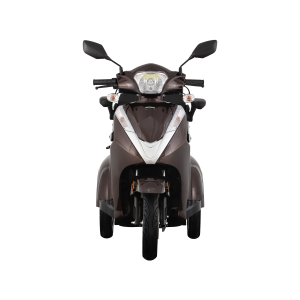
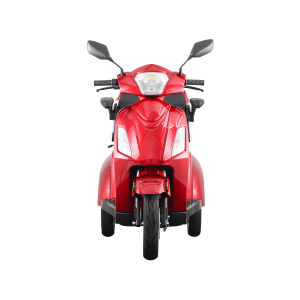






Choosing a Scooter for Elderly Customers: A B2B Buying Guide
For importers, wholesalers, distributors, and retailers, choosing a scooter for elderly customers is not simply about finding a popular model. The better approach is to match each product with a clear market position, then evaluate its specifications, manufacturing support, certifications, and supply options.
A well-planned product range can cover different customer needs without filling a catalog with similar models. It can also make product positioning easier for local retailers and sales teams.
VIGROUS manufactures mobility scooters in Taizhou, Zhejiang, China, with a range of models for different applications and international markets. This guide looks at the main factors B2B buyers can use when selecting products for their own markets.

1. Market Matching: Build a Product Range Around Your Sales Channel
The right product mix depends partly on how you sell.
A retailer selling directly to elderly customers may need a few versatile models that are easy to explain and suitable for common daily-use scenarios. A wholesaler or distributor supplying several dealers may need a wider range, with clear differences in size, seating, power, capacity, and intended use.
This makes product positioning important. Instead of stocking several scooters with almost identical specifications, consider building a range around different market needs:
Standard four-wheel mobility for everyday outdoor use
Higher-capacity models for customers who need greater load capacity
Two-seat models for shared travel or specific commercial applications
Long-range models for customers who travel farther
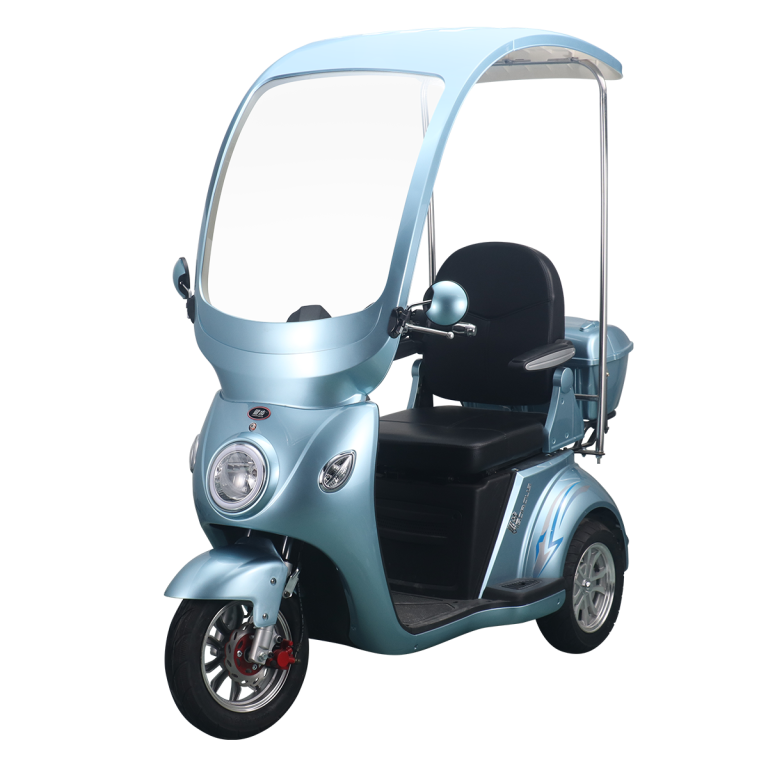
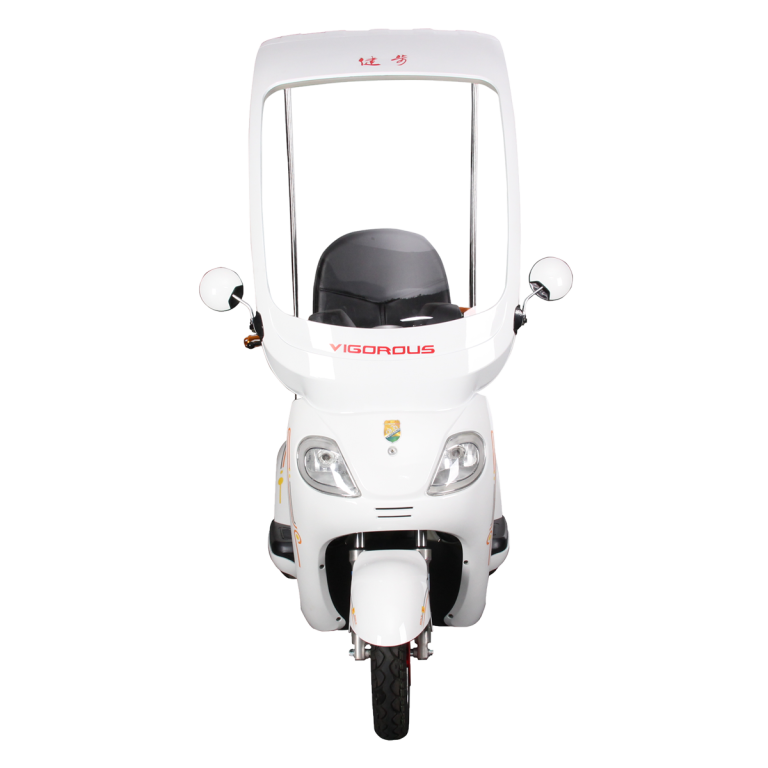
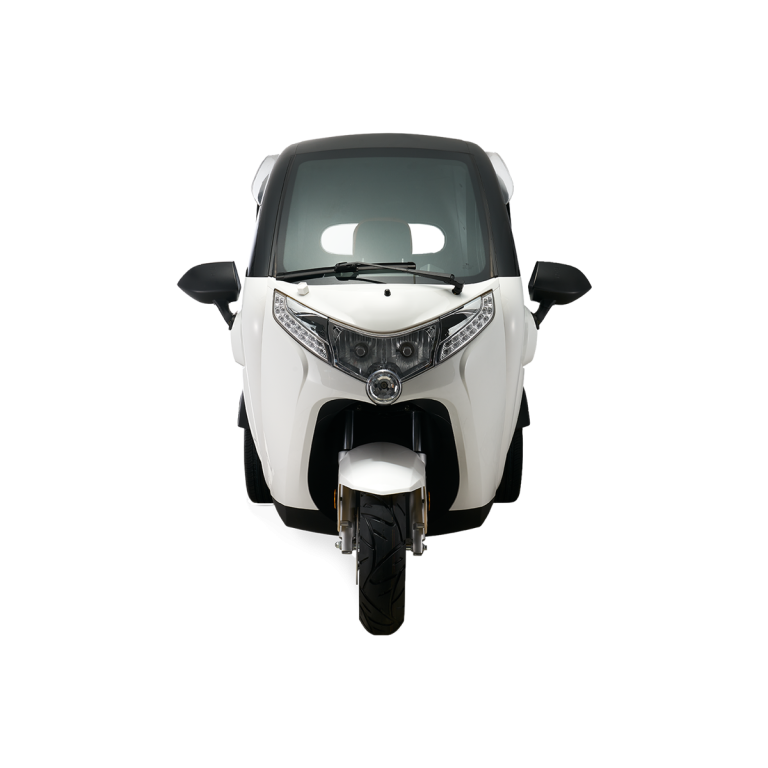
Enclosed models for markets looking for a more vehicle-like design
For B2B buyers, the goal is not to find one scooter that suits everyone. It is to create a product range where each model has a clear reason to be included.
2. Technical Spec Audit: Motor, Battery, Range, and Vehicle Design
Specifications are one of the easiest ways for buyers to compare mobility scooters, but individual numbers should be considered together.
Motor and Battery
Motor power and battery capacity give buyers a starting point for understanding a model’s configuration. However, a higher motor rating does not automatically mean a better product for every market.
Battery type, voltage, capacity, vehicle weight, rider load, terrain, and riding speed can all affect actual performance.
For example, a distributor targeting outdoor users may prioritize a different configuration from a retailer looking for a compact product for short-distance daily mobility.
Driving Range
Driving range should always be considered alongside the conditions under which it was measured.
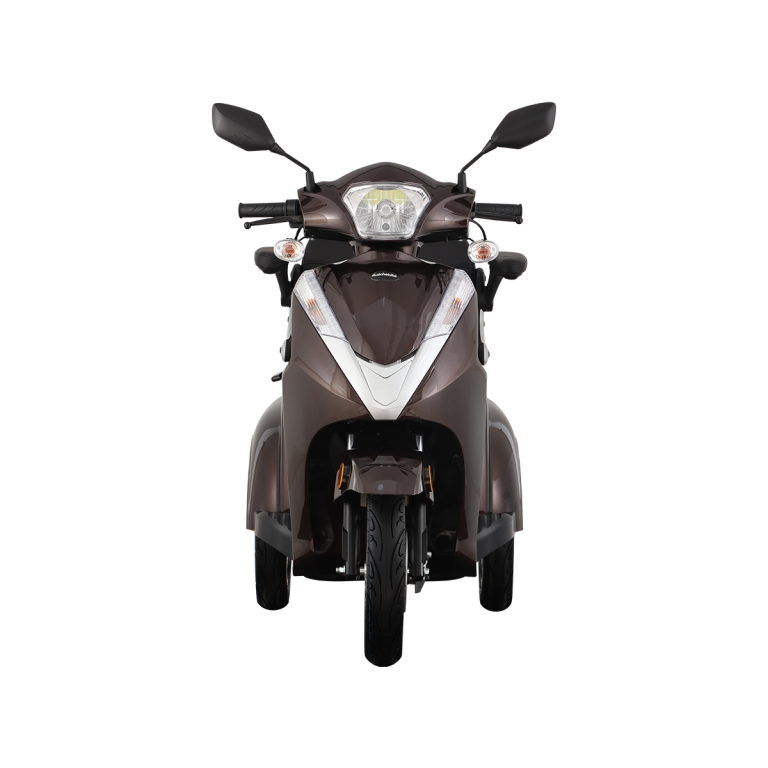
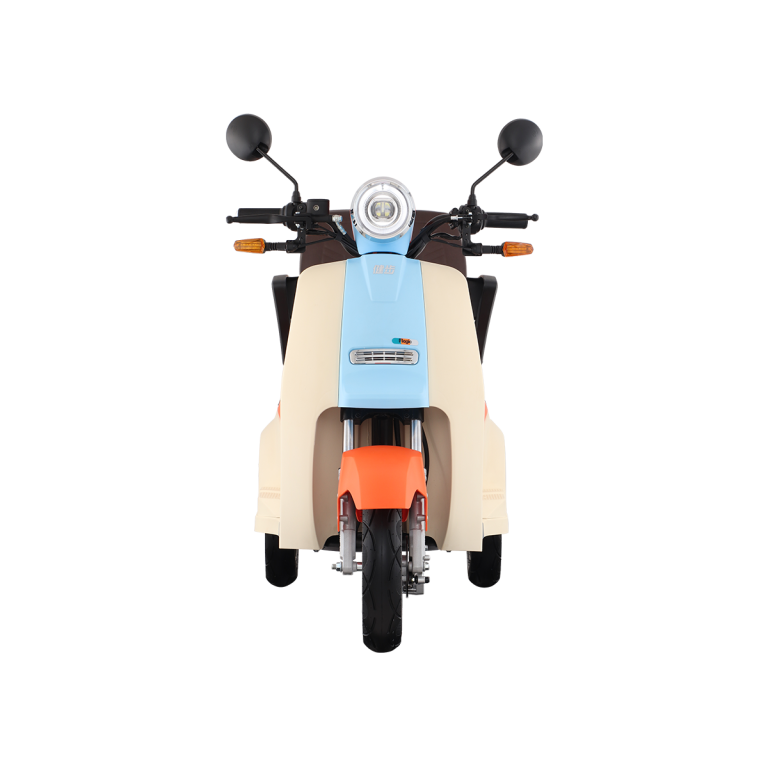
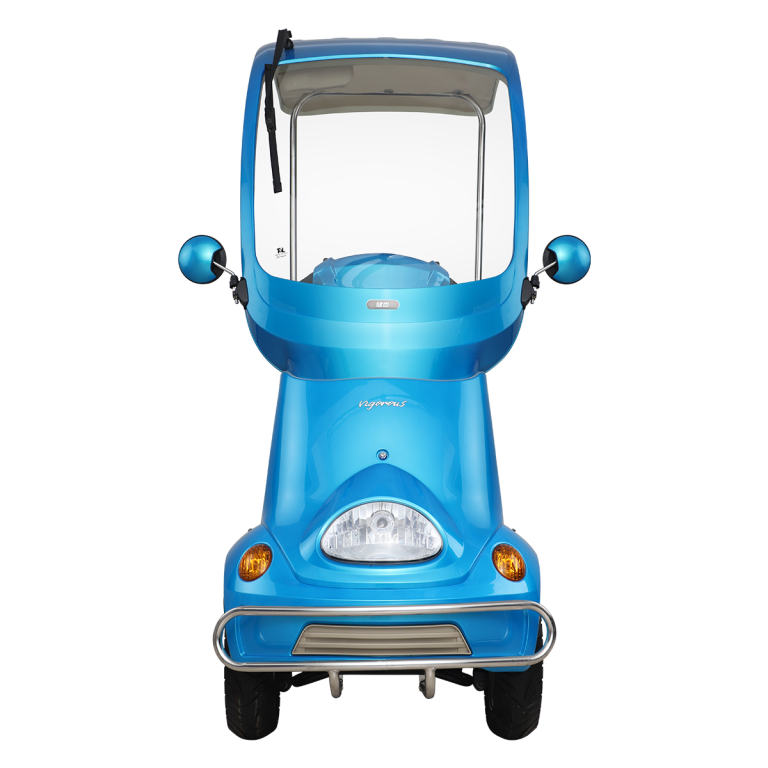
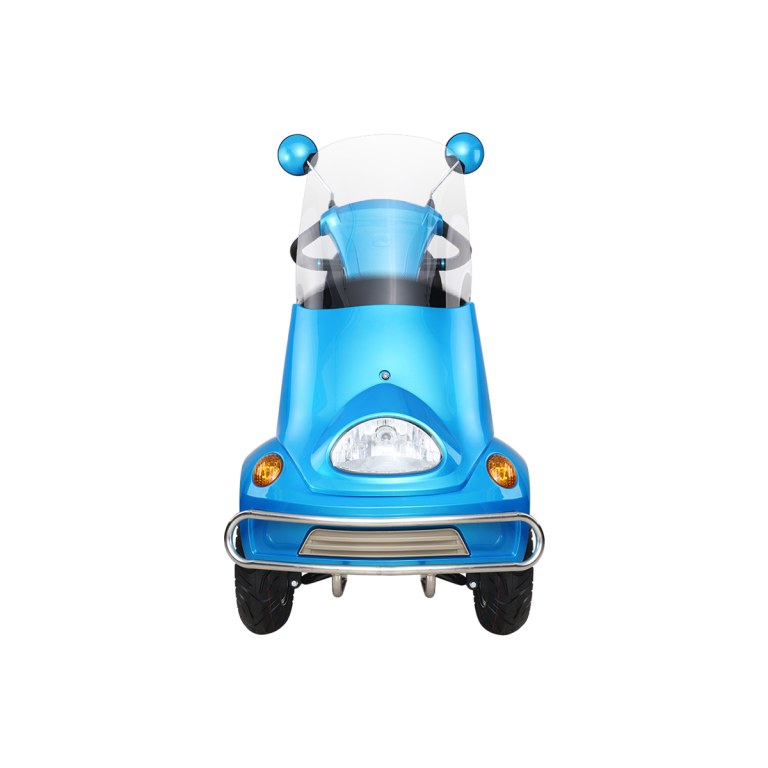
VIGROUS’s Vivago, for example, has been tested at approximately 75 km under specified conditions, including a 60 kg rider, city-road testing, a temperature of around 26°C, slopes, and an average speed of about 10 km/h.
This gives buyers a more useful reference than a range number without test conditions. Actual range can still vary according to rider weight, terrain, temperature, speed, battery condition, and riding style.
Vivago
Vehicle Configuration
Other specifications can directly affect how a model fits a particular market. These include:
Three-wheel or four-wheel design
Seat configuration
Ground clearance
Tire size
Storage capacity
Maximum load
Control layout
Maximum speed
A clear understanding of these differences helps buyers avoid adding several products that compete for the same customer.
3. Product Comparison Matrix: Match Each Model to a Market Position
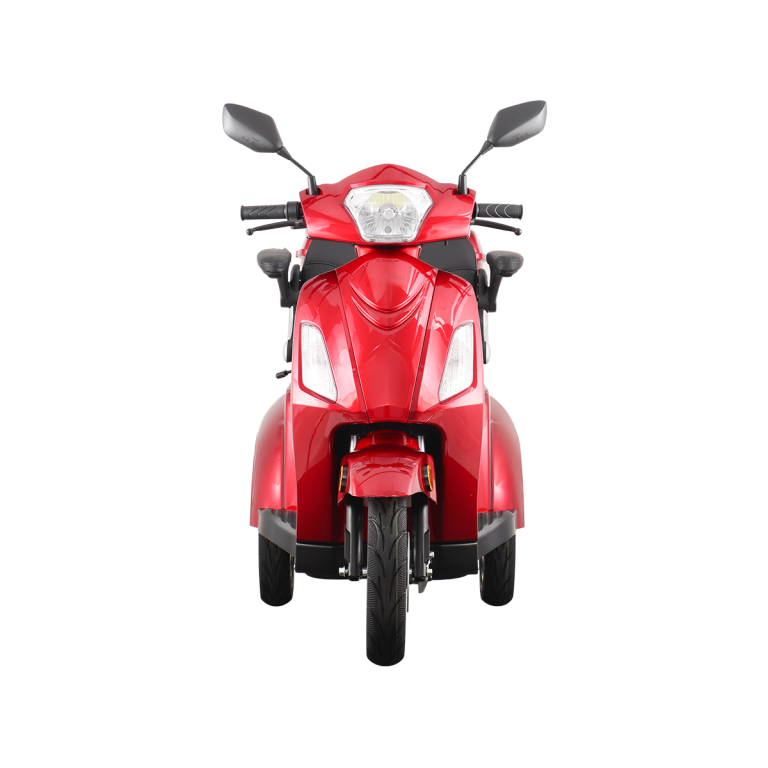
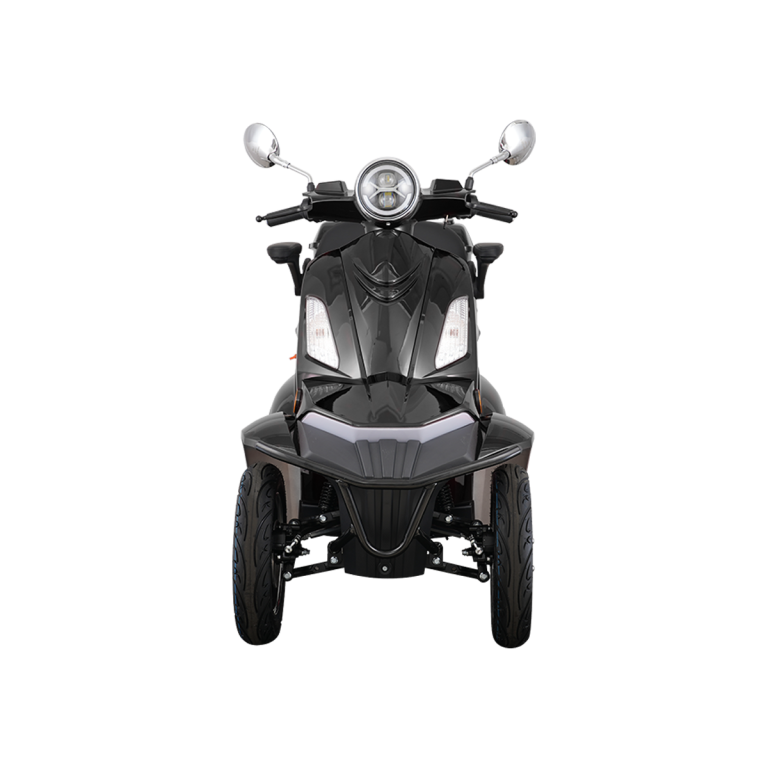
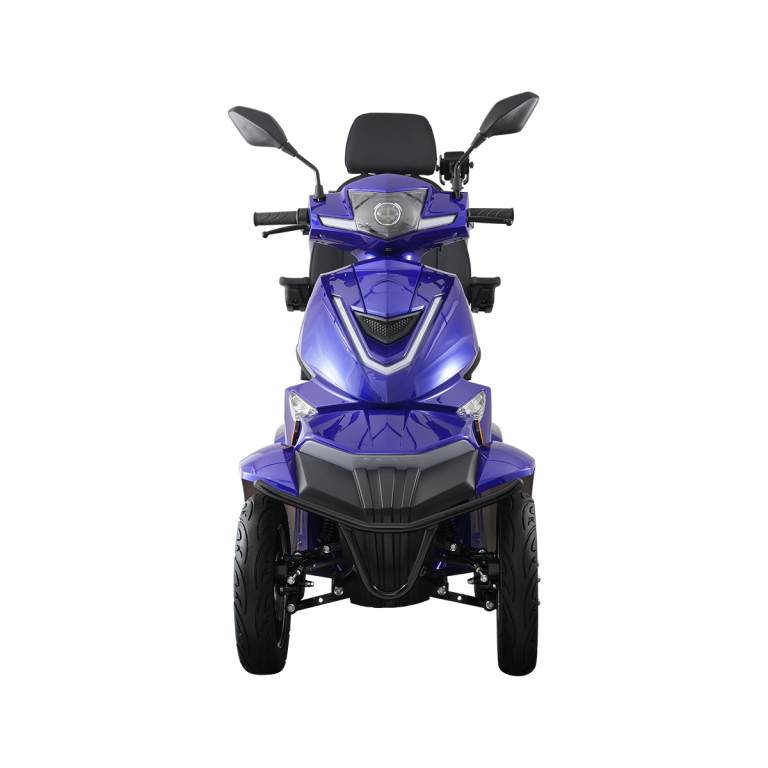
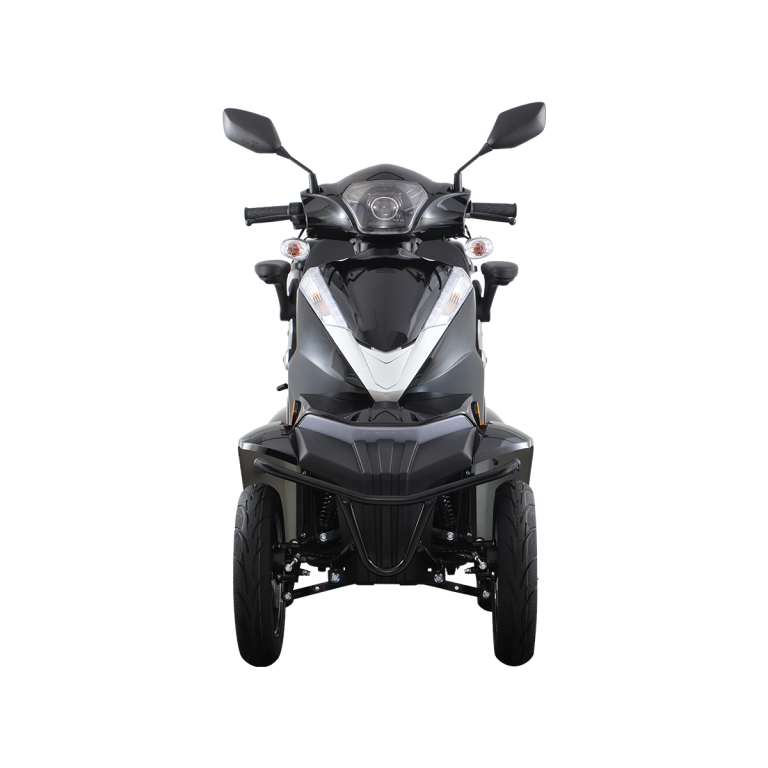
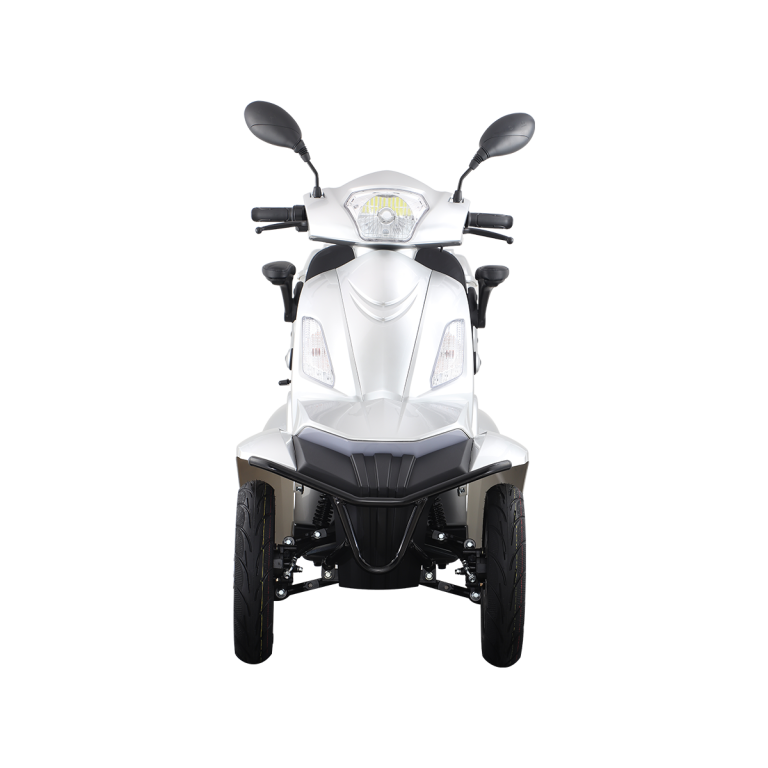
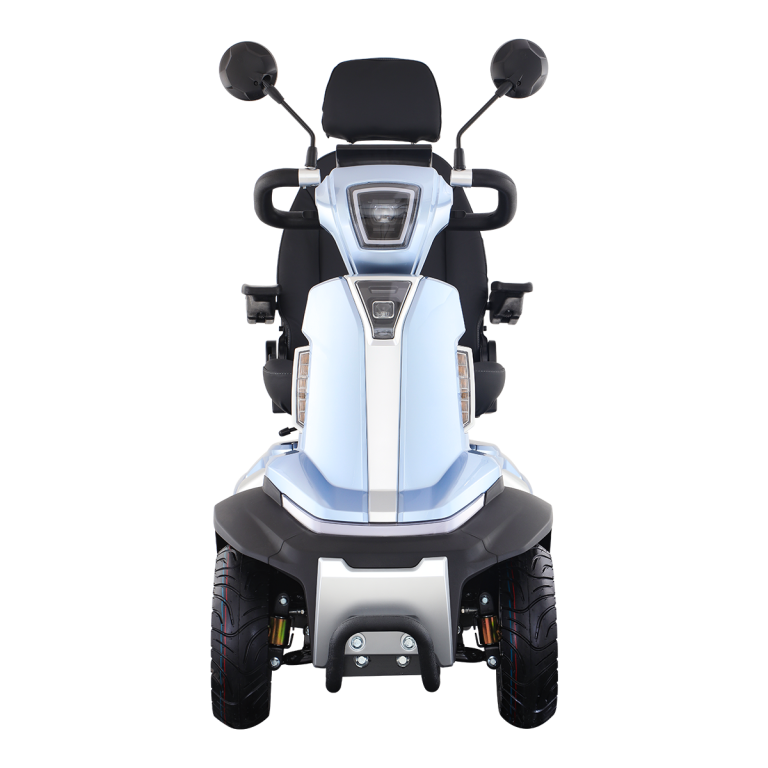
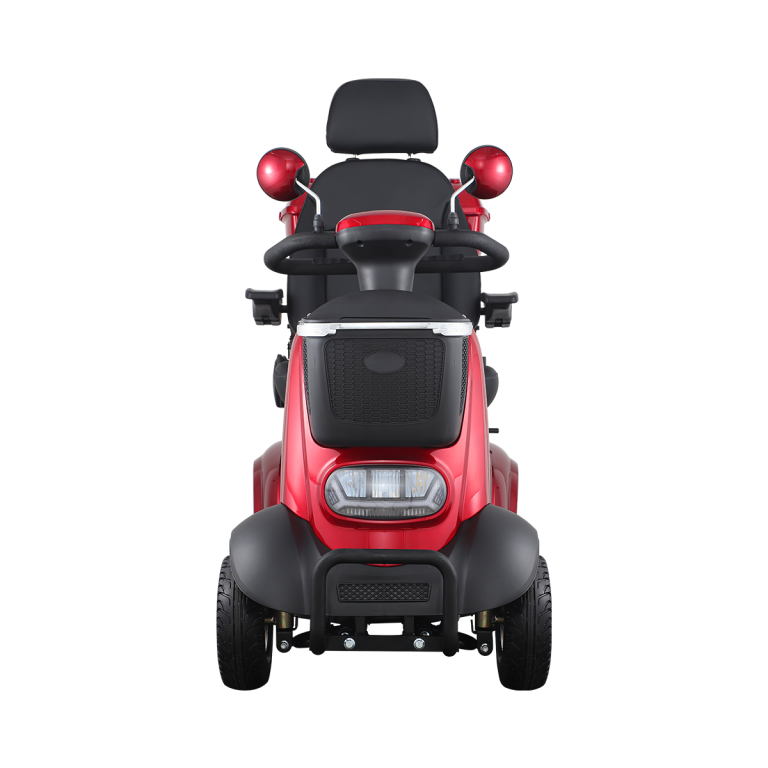
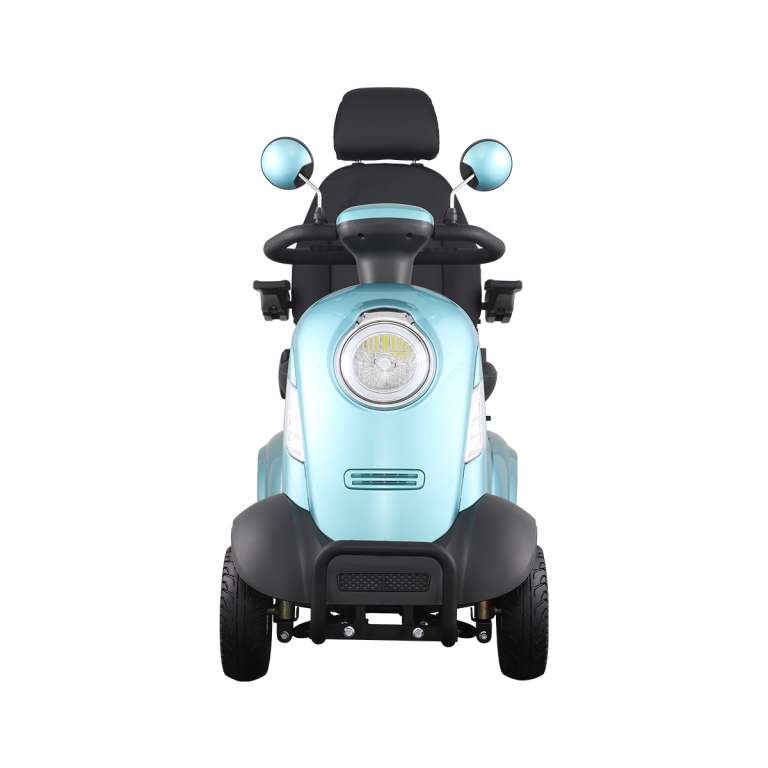
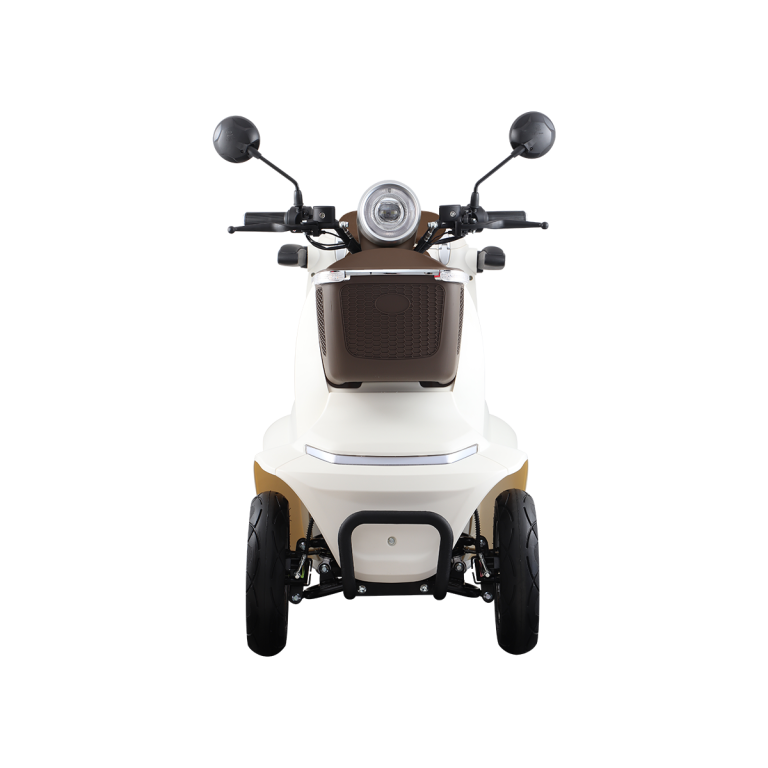
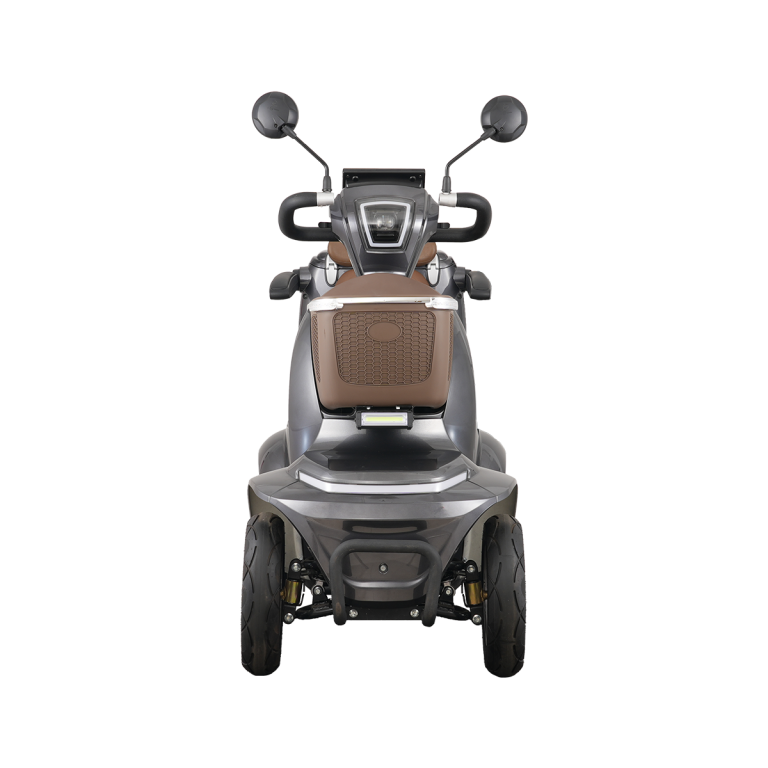
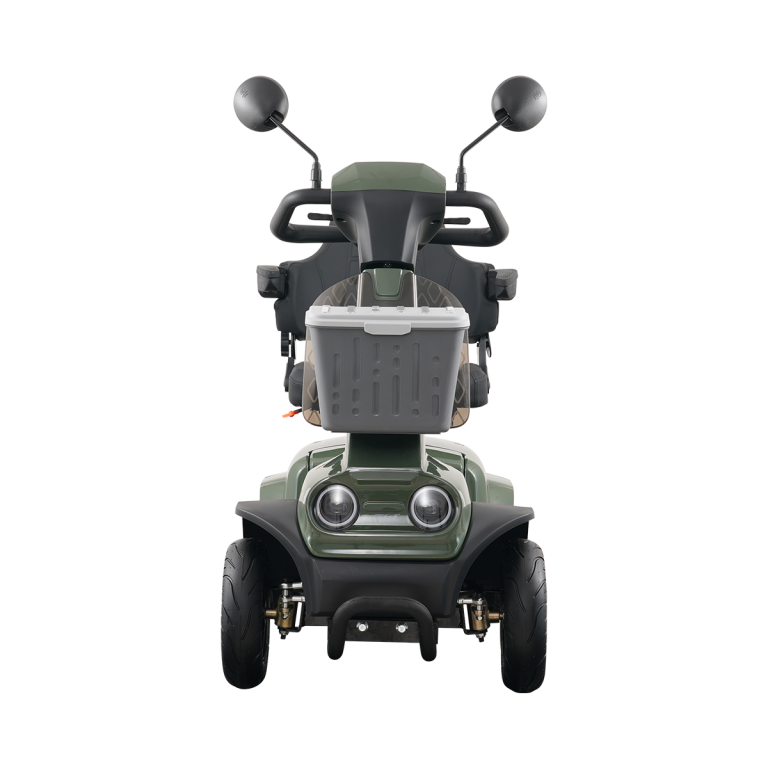
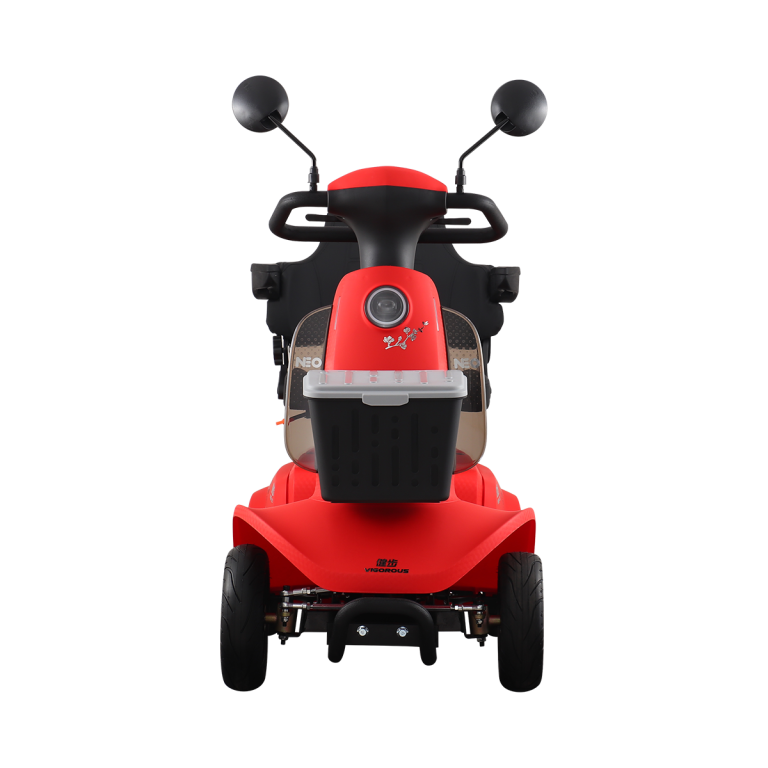
For B2B buyers, a product comparison table can make the selection process much faster. The following models illustrate how different configurations can serve different positions within a mobility scooter range.
| Model | Market Positioning | Motor & Battery | Driving Range | Key B2B Highlight |
|---|---|---|---|---|
| Vista Quater-2 | Higher-capacity outdoor model | 1000W / 60V 20Ah | Up to 35 km | Maximum load capacity of 150 kg |
| Lunar-Q | Four-wheel outdoor model | 500W brushless / 48V 20Ah lead-acid | Up to 35 km | Four-wheel configuration with outdoor-oriented design |
| Spirite-L2 | Two-seat model | Model-specific configuration | Model-specific | Dual-row seating for two riders |
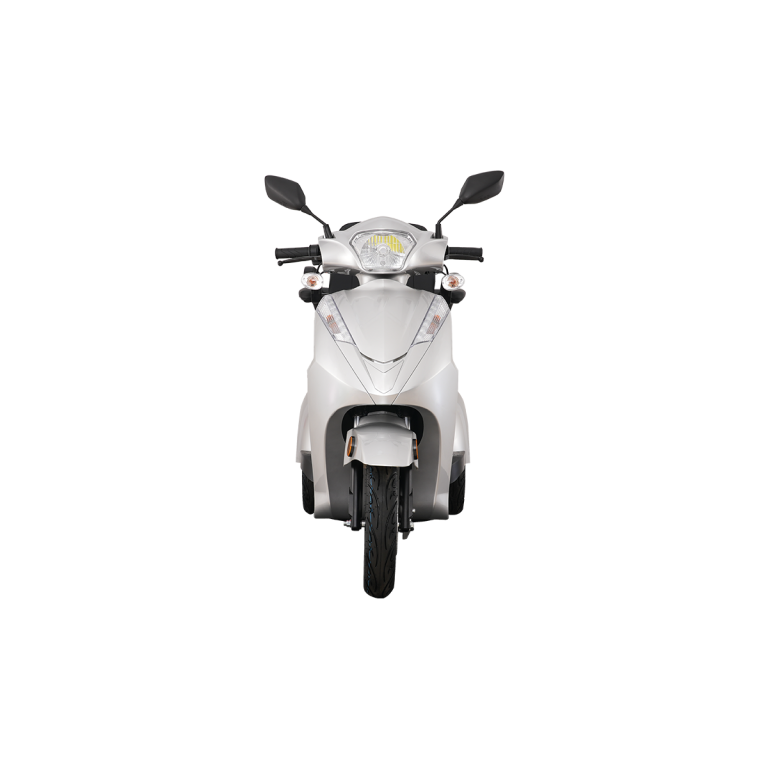
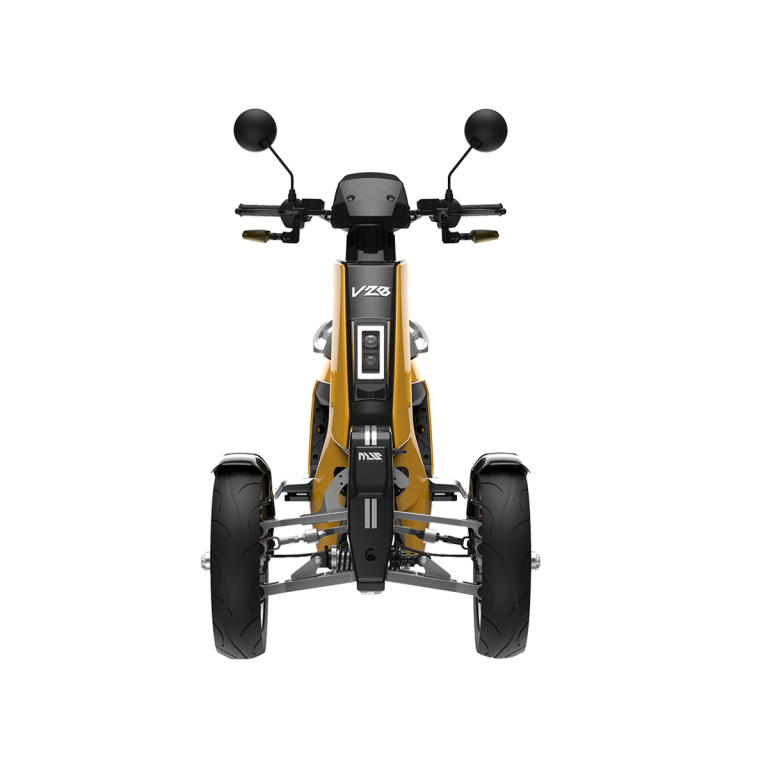
| Vivago | Long-range mobility model | Lead-acid battery configuration | Approx. 75 km under specified test conditions | Long-range positioning for customers with greater travel needs |
These models are not interchangeable. Their differences give distributors more flexibility when developing a product portfolio.
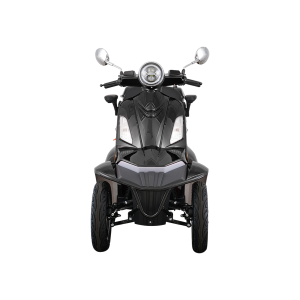
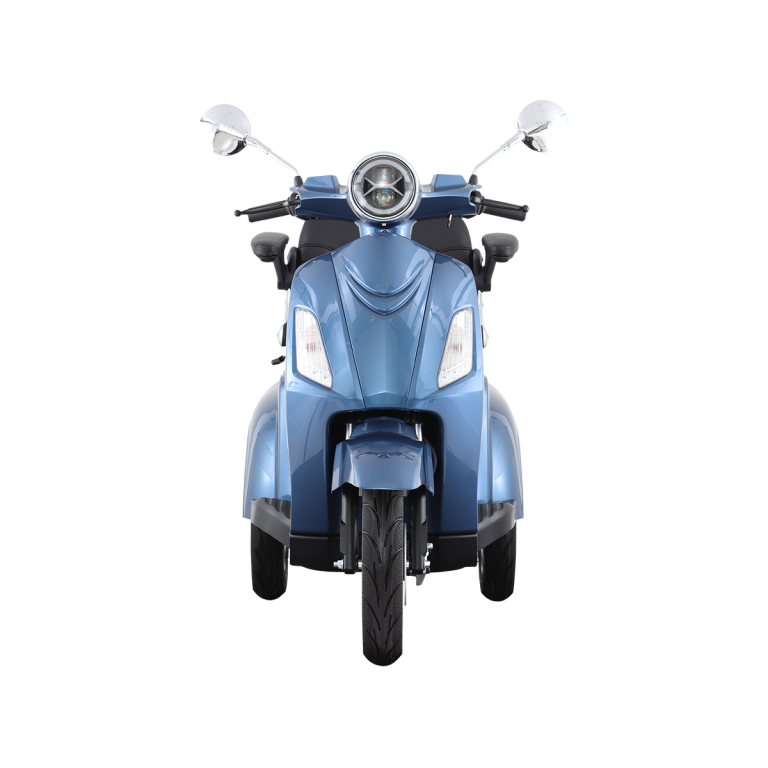
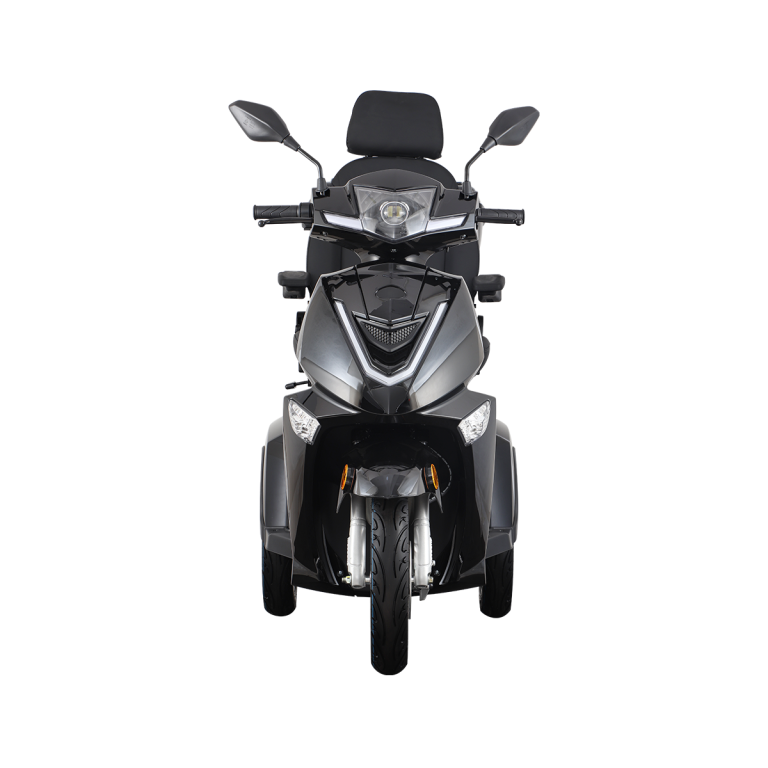
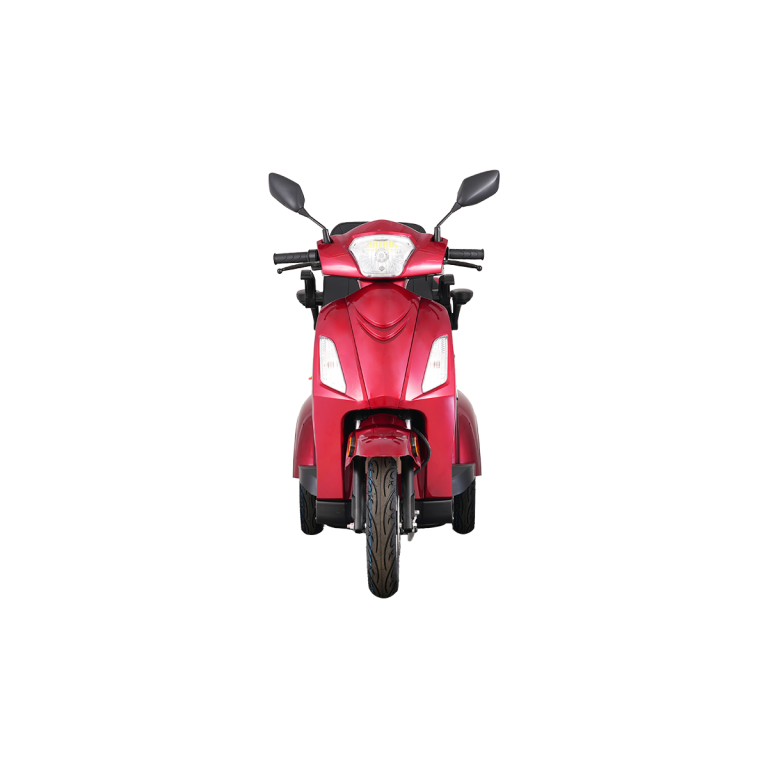
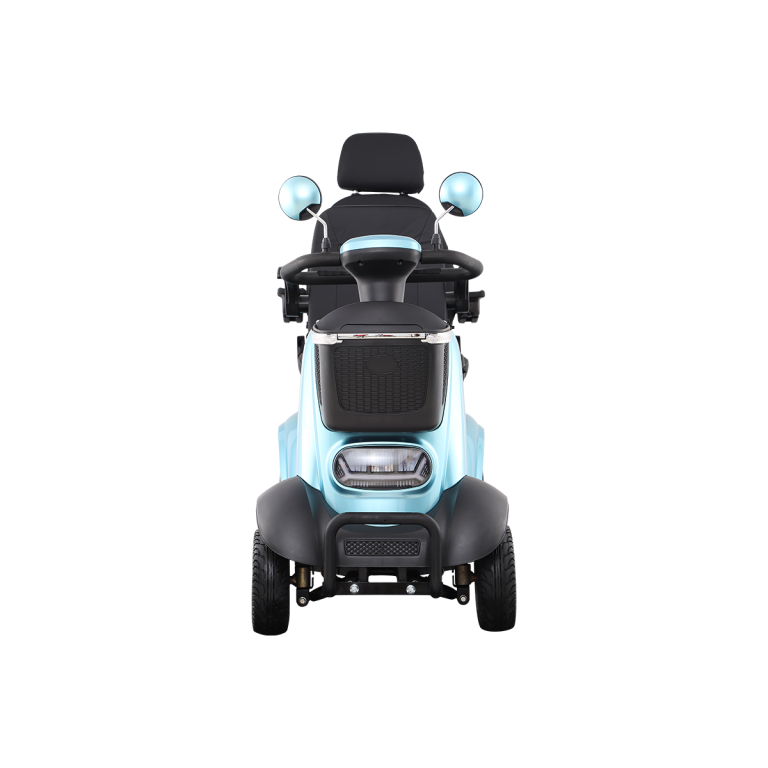
Vista Quater-2, with its 1000W motor, 60V 20Ah battery, up to 35 km stated range, and 150kg maximum load capacity, can serve markets where higher load capacity is an important product feature.
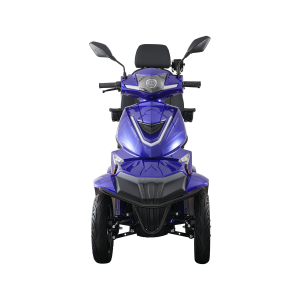
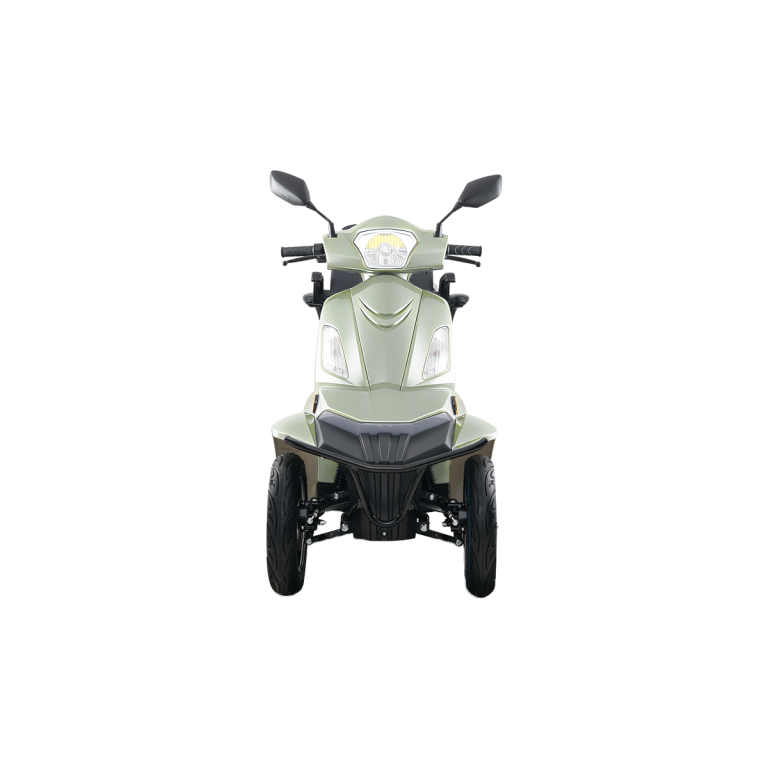
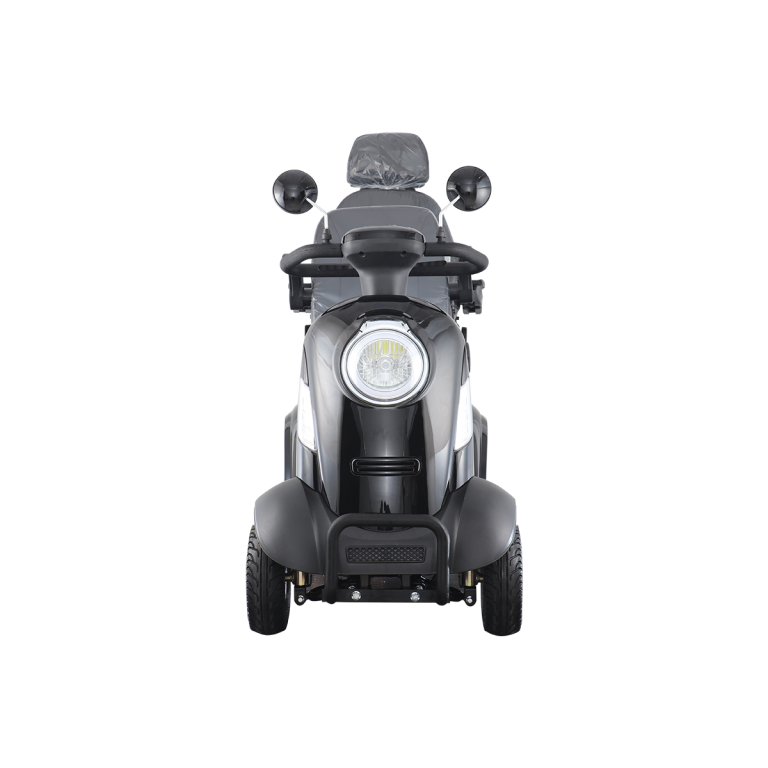
Lunar-Q uses a 500W brushless motor and 48V 20Ah lead-acid battery, with a stated range of up to 35 km. Its four-wheel layout provides another option for buyers building an outdoor mobility range.
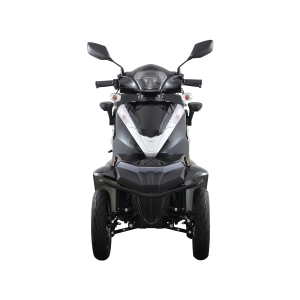
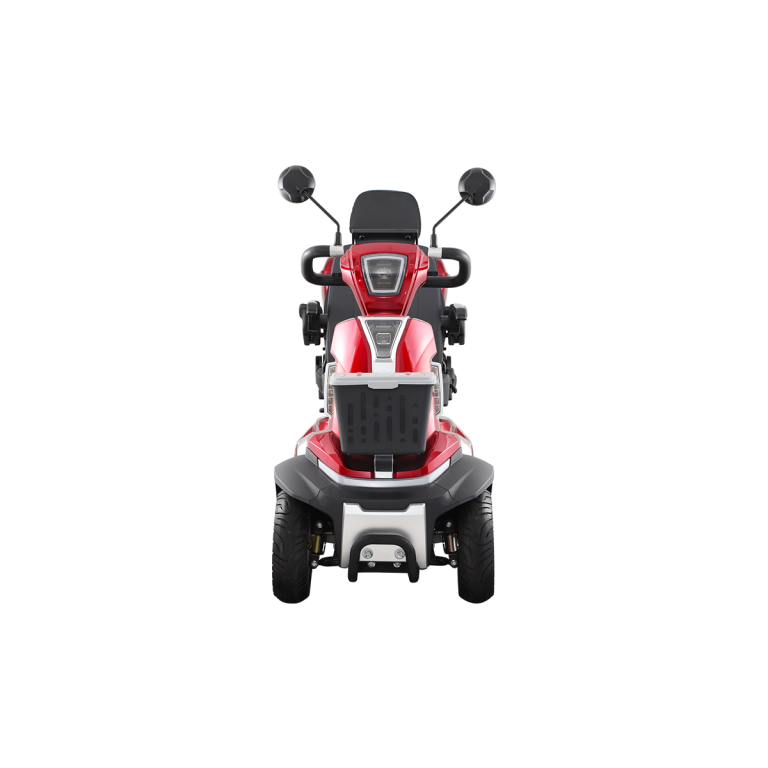
Spirite-L2 uses a dual-row seating arrangement for two riders. This gives it a different market position from conventional single-seat mobility scooters and may suit shared trips or selected commercial applications.
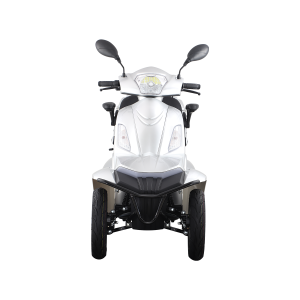
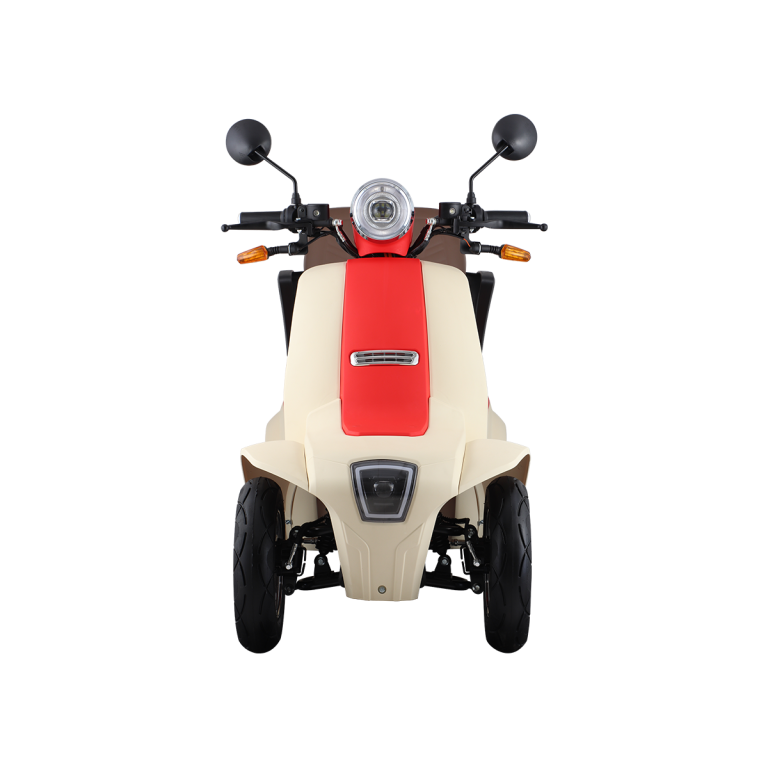
Vivago stands out through its longer tested range. Its approximately 75 km test result, measured under specified conditions, gives distributors a different product position when long-distance use is part of their target market.
When selecting models, the objective is to create meaningful differences across the range rather than simply increasing the number of SKUs.
4. Manufacturing Capability: Can the Supplier Support Repeat Orders?
Product selection is only one part of a B2B purchasing decision. Once a model enters a distributor’s catalog, consistent production and delivery become equally important.
VIGROUS was founded in 2016 in Taizhou, Zhejiang, China. Its manufacturing facilities cover approximately 29,800 square meters, with more than 200 employees and a production capacity of over 5,000 units per month.
The manufacturing process includes welding, final assembly, inspection, aging tests, and road testing. These capabilities support the production of different mobility scooter configurations for international customers.
For a distributor, this matters beyond the first order. A product that performs well in the market may need to be reordered several times. Production capacity and organized manufacturing processes can therefore become part of the supplier evaluation.
Get the VIGROUS Product Range
Looking for models for your local market?
Request the VIGROUS product catalog to compare available mobility scooters, specifications, and cooperation options.
5. Certification and Compliance: Match the Product to the Market
Certification requirements vary by country, product category, and intended use. For B2B buyers, it is important to understand which certifications and documents are required for the specific model and target market before placing an order.
VIGROUS has experience with international certification requirements and holds or works with certifications and standards including CE, EEC, MDR, and ISO 9001, depending on the product and applicable requirements.
Certification is not necessarily the same across the entire product range. An EEC-certified model, for example, may be intended for a different market or vehicle category from a model supplied under another certification framework.
For importers and distributors, certification can affect import procedures, product registration, sales channels, and local distribution requirements. These requirements are best considered during the product selection and quotation stage.
VIGROUS can discuss the certification status and available documentation of the selected models with customers, helping buyers evaluate whether a product is suitable for their target market.
6. OEM and ODM: Adapt the Range to Your Brand
Not every B2B buyer wants to sell products under the manufacturer’s name. Some distributors have an established brand and need products that fit an existing portfolio.
VIGROUS offers OEM and ODM cooperation for eligible products. Depending on the project, discussions can cover product selection, branding, configuration, packaging, and other requirements.
The key is to select a suitable base model before discussing customization. A distributor may first identify a product that fits its target market, then determine which branding or product changes are practical.
This approach can help avoid unnecessary customization while keeping the final product aligned with the brand’s positioning.
For a detailed comparison of the two cooperation models, see OEM vs. ODM for Adult Electric Scooter Brands.
7. Shipping and Order Planning: Consider the Full Import Process
After selecting a product range, the next step is to plan how the scooters will be supplied.
Order quantity, packaging, container loading, and shipping method can all affect the final landed cost. Buyers should also consider whether the selected models are suitable for CBU, SKD, or CKD shipment.
CBU is straightforward for customers who want complete vehicles. SKD and CKD can provide different options for container utilization and local assembly, but they may require additional warehouse space, workers, and handling processes.
The best option depends on the buyer’s order volume, local capabilities, and target cost structure.
For a detailed explanation of these shipping methods, see CBU, SKD & CKD Shipping Guide for Mobility Scooter Sale.
8. Build a Supplier Relationship Around Your Product Strategy
For B2B buyers, a scooter for elderly customers is more than an individual product. It becomes part of a wider product portfolio, sales channel, and supply plan.
A suitable manufacturer should therefore offer more than a list of models. Product variety, manufacturing capacity, certification support, OEM/ODM options, and international supply experience all contribute to the overall purchasing decision.
VIGROUS exports mobility scooters to more than 60 countries and provides different models for distributors, importers, wholesalers, retailers, and other international customers.
The starting point is to identify the models that fit your market. From there, product specifications, order quantities, certification documents, branding options, and shipping arrangements can be discussed with the supplier.
For buyers developing or expanding a mobility scooter range, a clear product strategy can make the sourcing process more efficient and help each model serve a distinct role in the market.
If you are looking for a scooter for elderly customers for your local distribution or retail business, contact VIGROUS to discuss suitable models and cooperation options.