





Mobility Scooter vs Moped
The Ultimate Buying Guide for Seniors in 2026
In 2026, the “silver economy” continues to heat up, and many middle-aged and elderly people often face the dilemma of mobility scooter vs moped when selecting their mode of transportation.
Traditional motorized motorcycles (including fuel-assisted motorcycles) have the advantage of higher speed; electric mobility scooters, on the other hand, with their safety and comfort features, are gradually becoming the mainstream choice for middle-aged and elderly people. For seniors who value quality of life and prioritize safety, the choice of transportation mode is not only about speed, but also about lifestyle compatibility and the bottom line of travel safety.
This article, combining the current market situation in 2026, the latest safety regulations, and the actual travel scenarios of seniors, deeply analyzes the advantages and disadvantages of the two types of transportation, clarifies the core advantages of electric mobility scooters compared to moped and provides professional reference for seniors’ travel choices.
Key Difference: Safety is the Sole Priority for Seniors’ Travel
The core positioning of these two types of transportation differs fundamentally: motorized motorcycles are designed with commuting efficiency as their primary focus, while electric mobility scooters for the elderly are designed to safely and conveniently expand the elderly’s living radius. Their functional application scenarios are drastically different.
Long-term statistics from the National Highway Traffic Safety Administration (NHTSA) in the United States and traffic safety agencies worldwide show that the risk of injury to two-wheeled motor vehicle drivers in traffic accidents is far higher than that of four-wheeled vehicle drivers. As people age, their reaction speed and balance gradually decline. Even when driving a low-speed motorized scooter, they need to maintain dynamic balance continuously to cope with various emergencies such as slippery roads, crosswinds, and complex traffic flow, posing significant safety risks.
The core design logic of electric mobility scooters for the elderly (especially three-wheeled and four-wheeled models) is static stability. With their low center of gravity, wide wheelbase, and anti-rollover structure, they inherently possess high safety. By 2026, features such as electromagnetic braking and anti-slippage will provide further safety guarantees for seniors’ travel.
Law and Right-of-Way: Enhancing Travel Convenience
When considering mobility scooter vs moped from a legal perspective, the differences are stark.
Regarding driver’s licenses and insurance, most jurisdictions explicitly require a specific type of driver’s license to drive a motorized motorcycle (moped), along with mandatory insurance and annual vehicle registration. This not only increases ownership costs but also requires seniors to pass medical examinations and driving tests before legally driving.
Meeting standards for electric mobility scooters are often legally defined as “disability assistance vehicles” or low-speed electric vehicles. They require no driver’s license, no registration, and no insurance, and can legally travel on sidewalks and low-speed roads, significantly lowering the barriers to travel.
*For specific road regulations, please consult your local transportation authority.
The Core Advantages of Full-Size Personal Scooters
To help you decide, let’s look at this mobility scooter vs moped comparison chart.
| Comparison Dimensions | Moped | Mobility Scooter |
| Stability | Requires continuous dynamic balance, prone to skidding | Equipped with suspension system, reducing rollover risk at the source |
| Terrain Adaptability | Poor adaptability to sand, gravel, and waterlogged roads; limited outdoor adaptability. | All-terrain adaptability, easily traversing grass, gravel roads, and gentle slopes. |
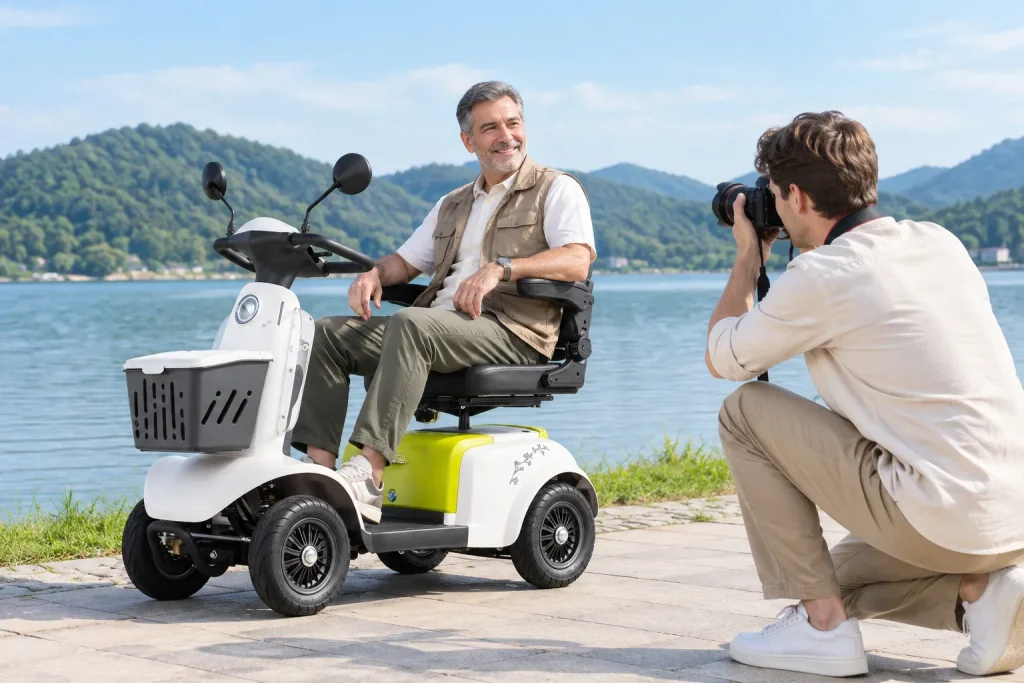
| Comfort | Fatigue is likely to occur during long-distance driving. Seat firmness is relatively high, suspension travel is short, resulting in poor ride comfort. | Luxurious and comfortable features, including high-backed seats and armrests, providing a seating experience comparable to a home sofa. |
3 wheel vs 4 wheel mobility scooters
After deciding on an electric mobility scooter for the elderly, the choice between a three-wheeled or four-wheeled model needs to be comprehensively judged based on the senior’s living environment and travel scenarios, as the suitable target groups for each are clearly different.
3 Wheel Mobility Scooters
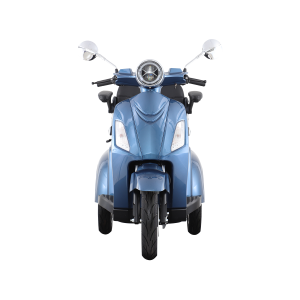
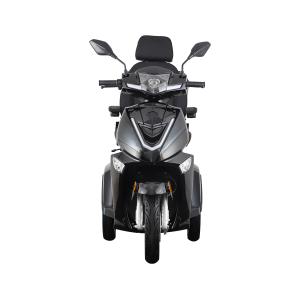
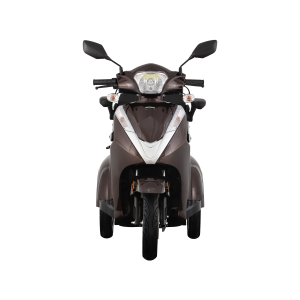
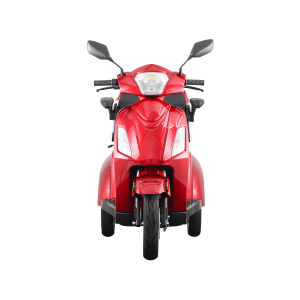
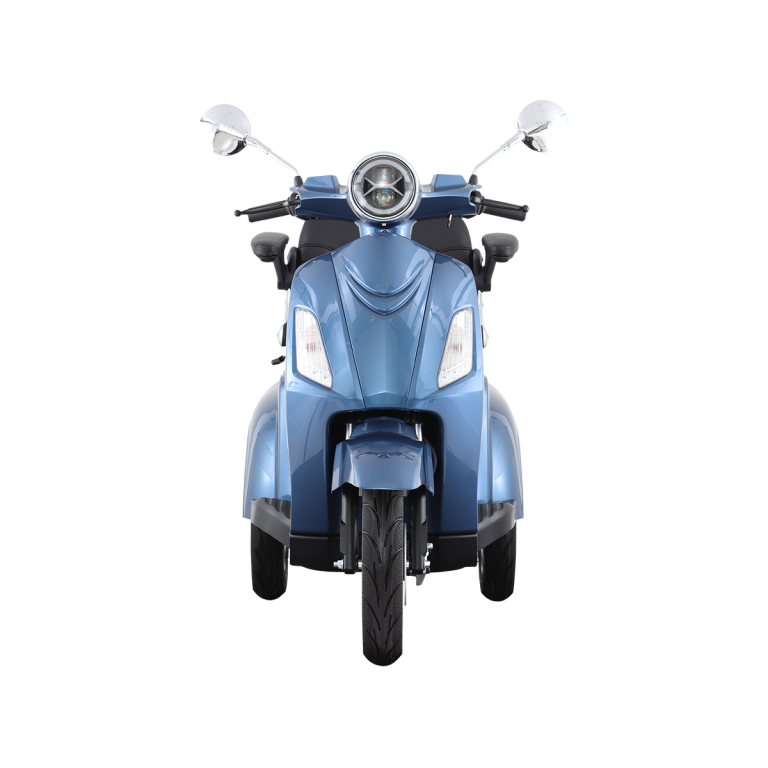
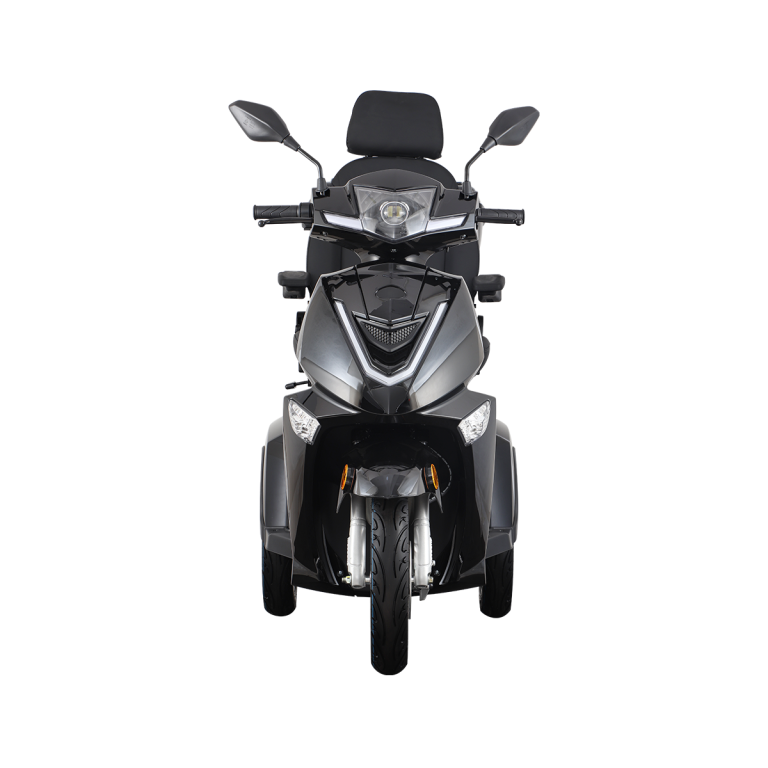
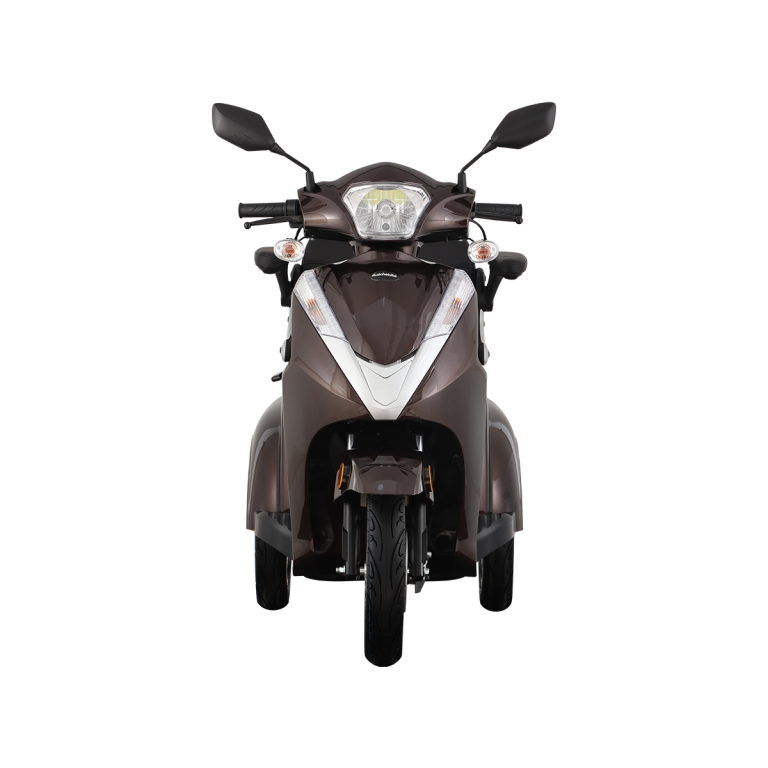
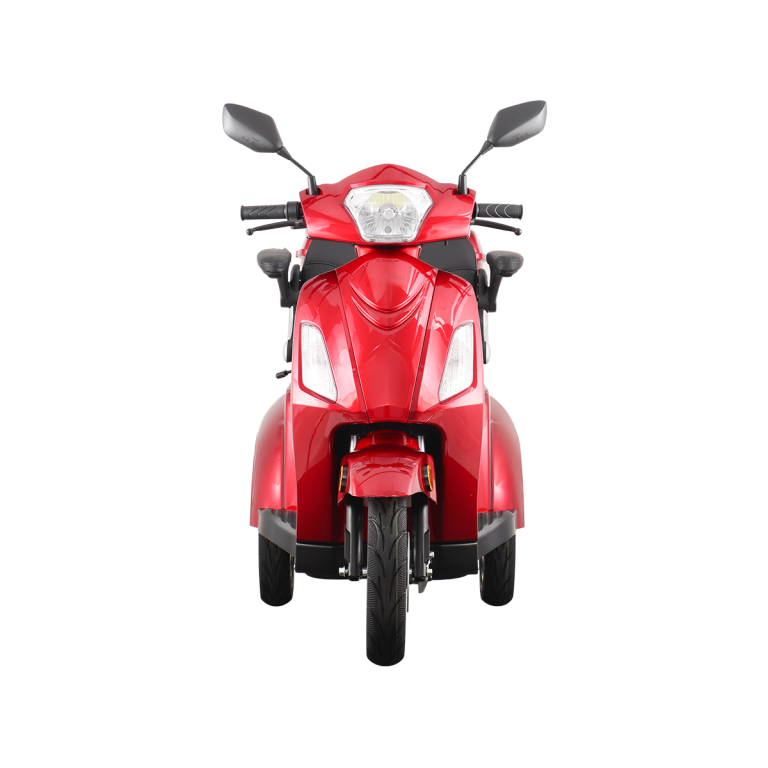
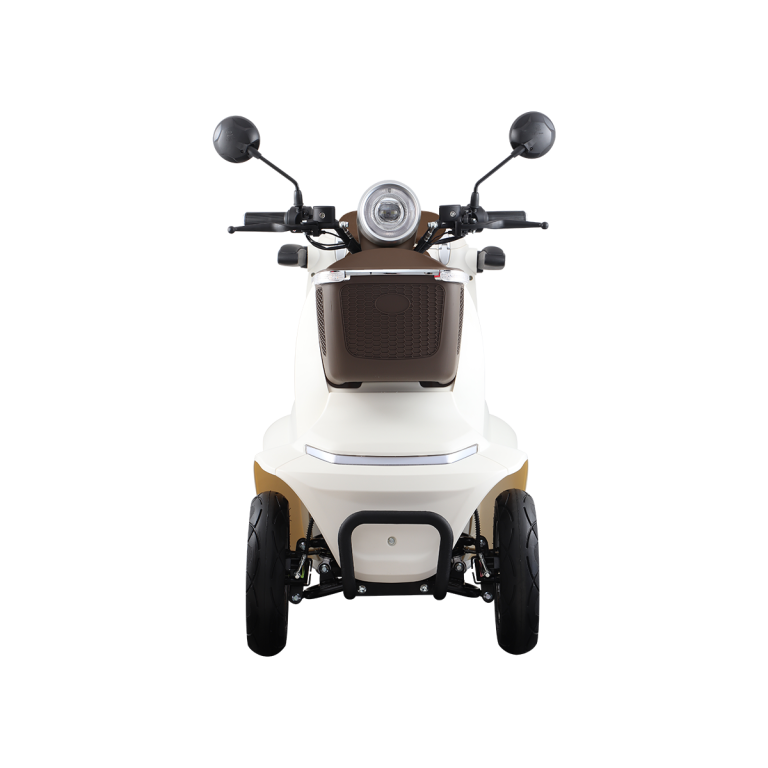
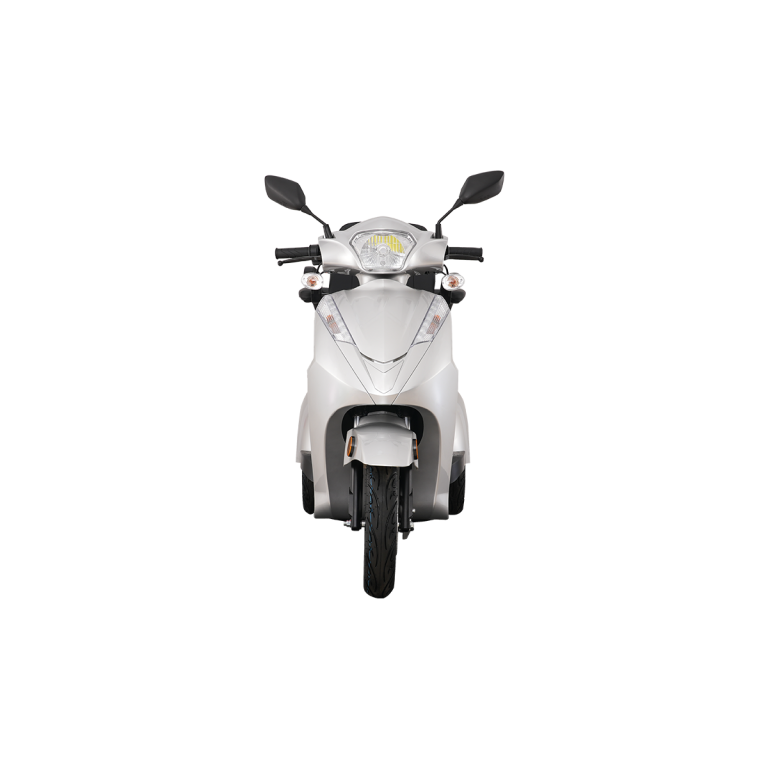
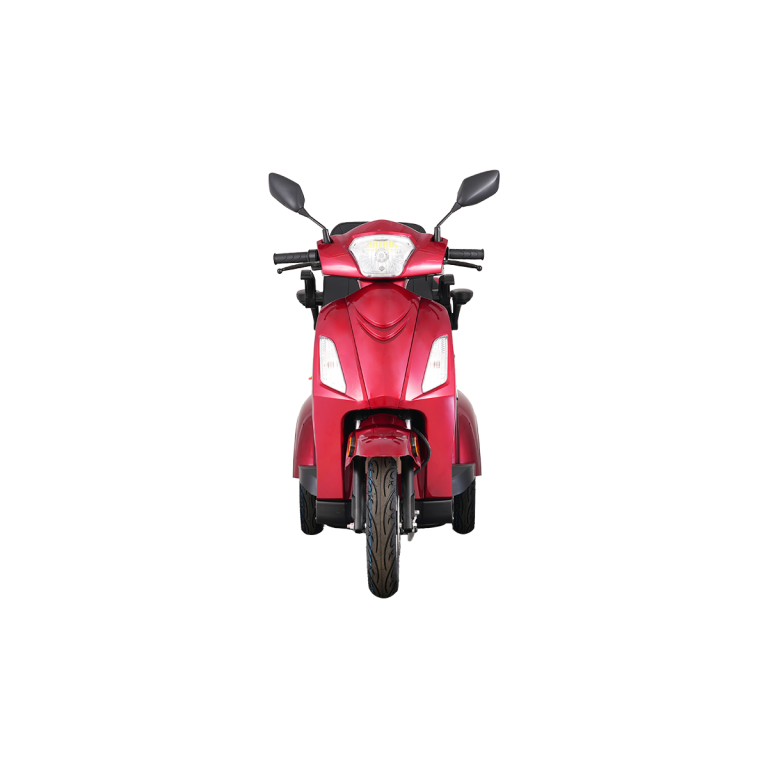
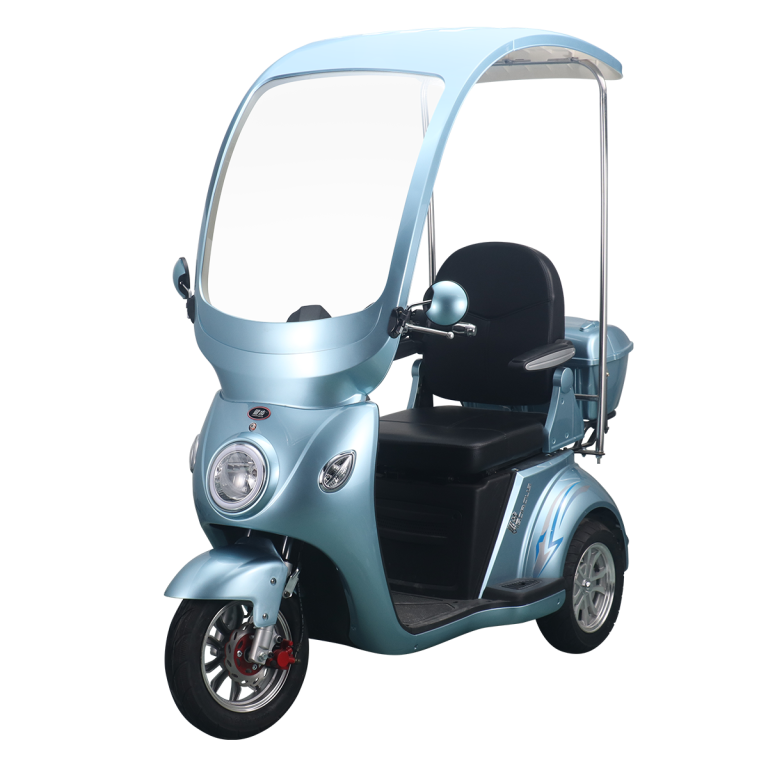
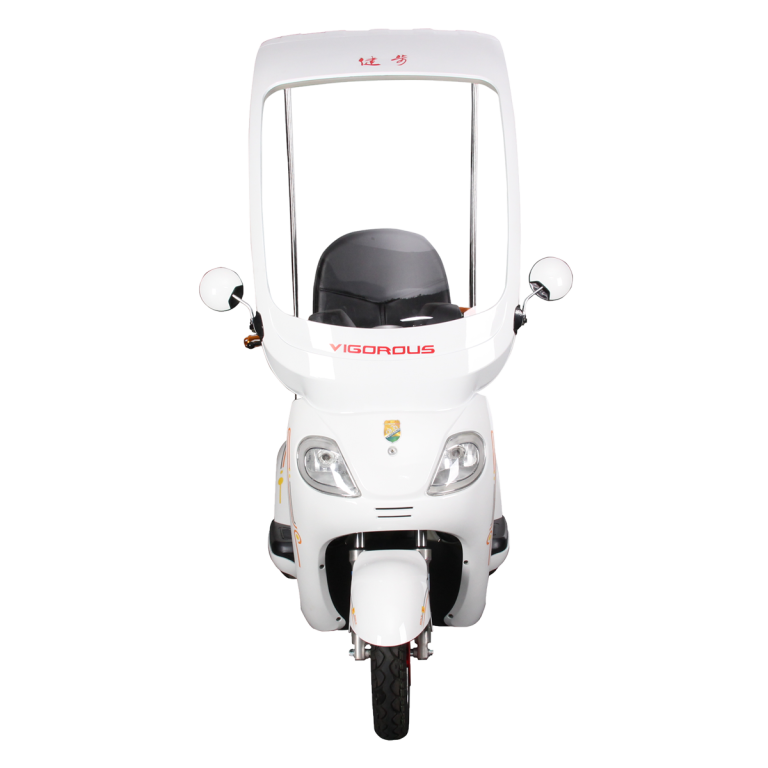
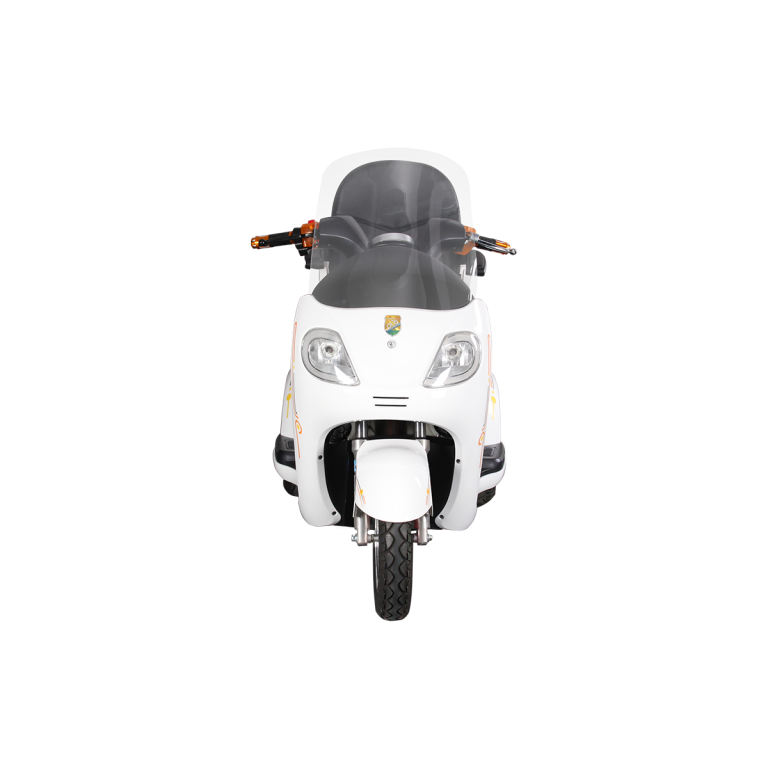
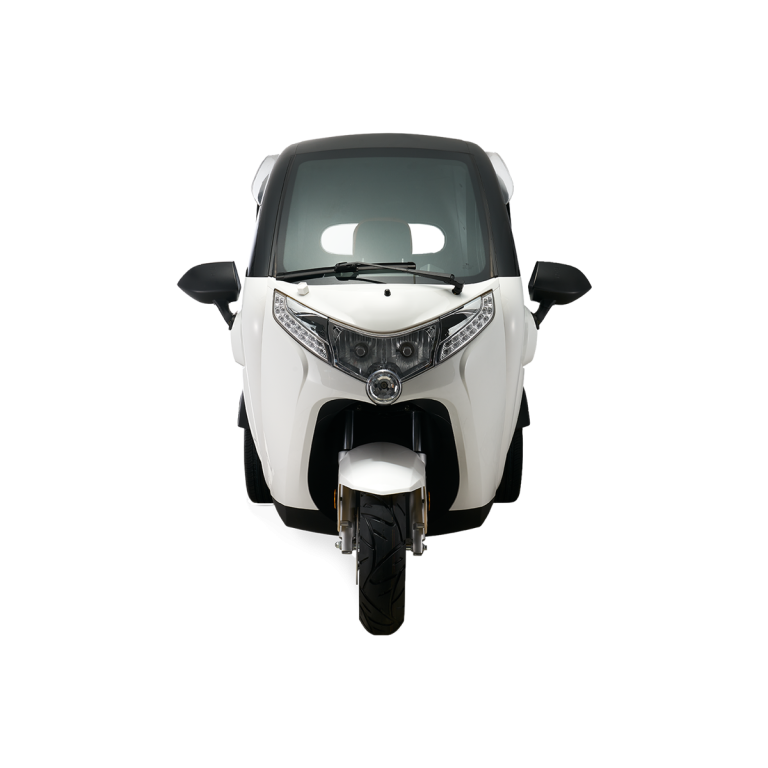
3 wheel mobility scooters mostly adopt a single front-wheel steering design, with a very small turning radius and excellent maneuverability. This type of model is suitable for narrow living environments such as urban apartments, easily navigating narrow community roads, supermarket shelves, and winding park paths, offering outstanding ease of operation.
Suitable for: Middle-aged and elderly people who primarily travel on paved roads, value maneuverability, and are of average build.

4 Wheel Mobility Scooter
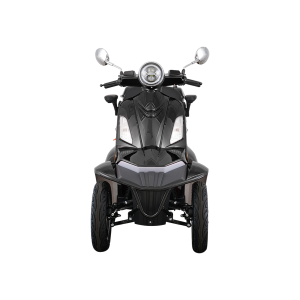
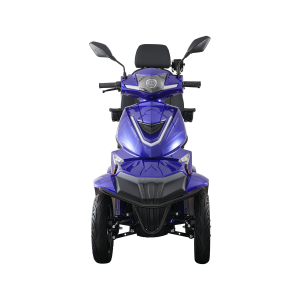
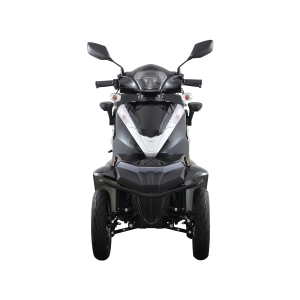
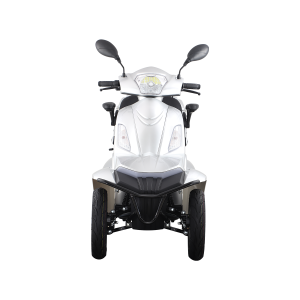
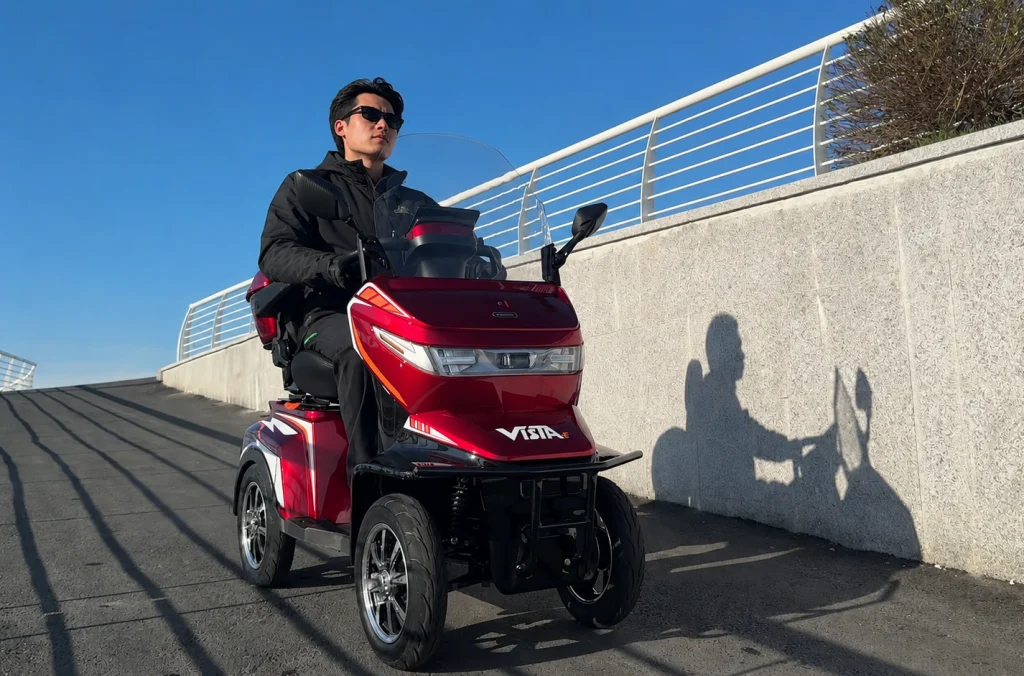
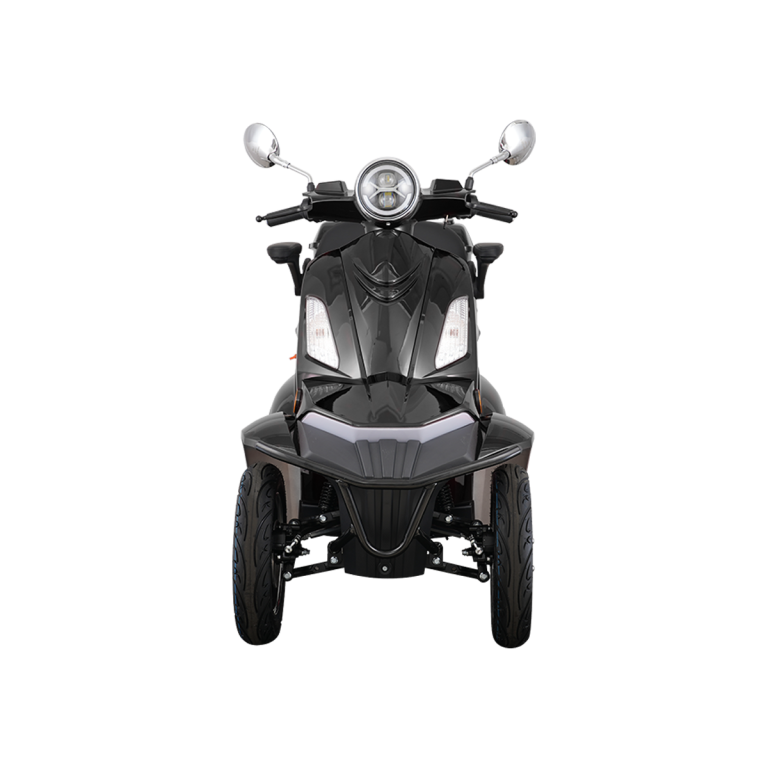
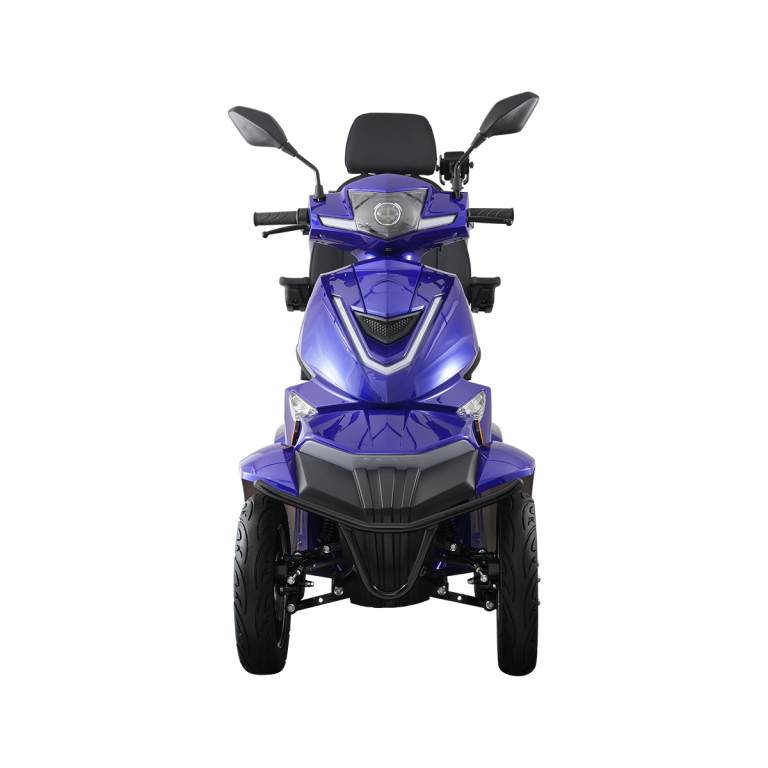
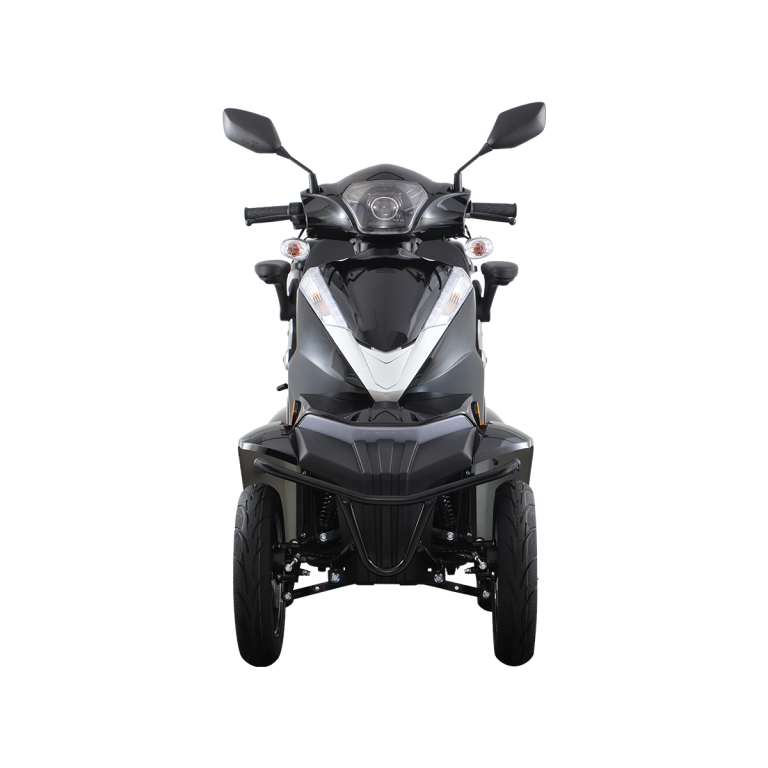
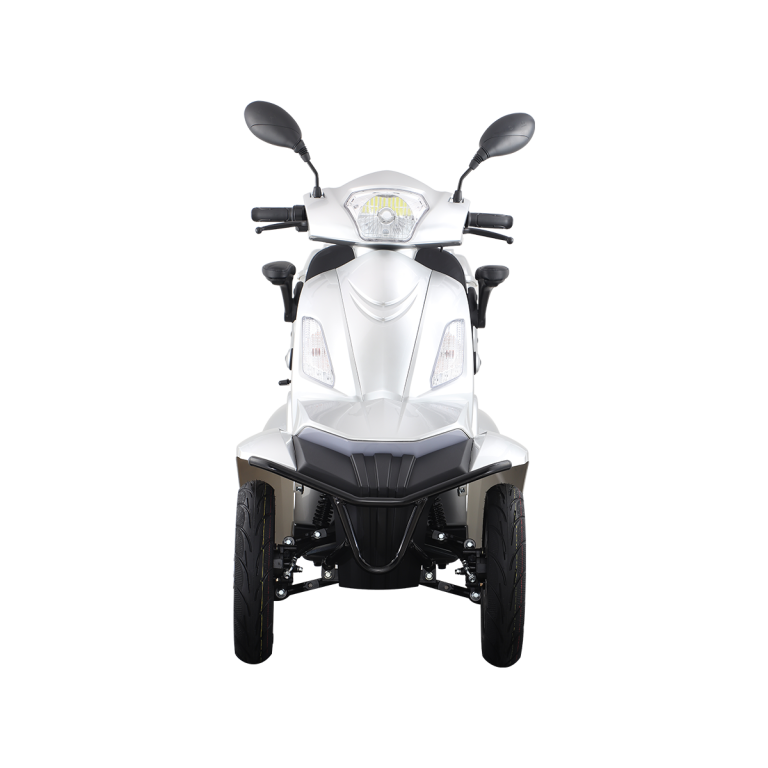
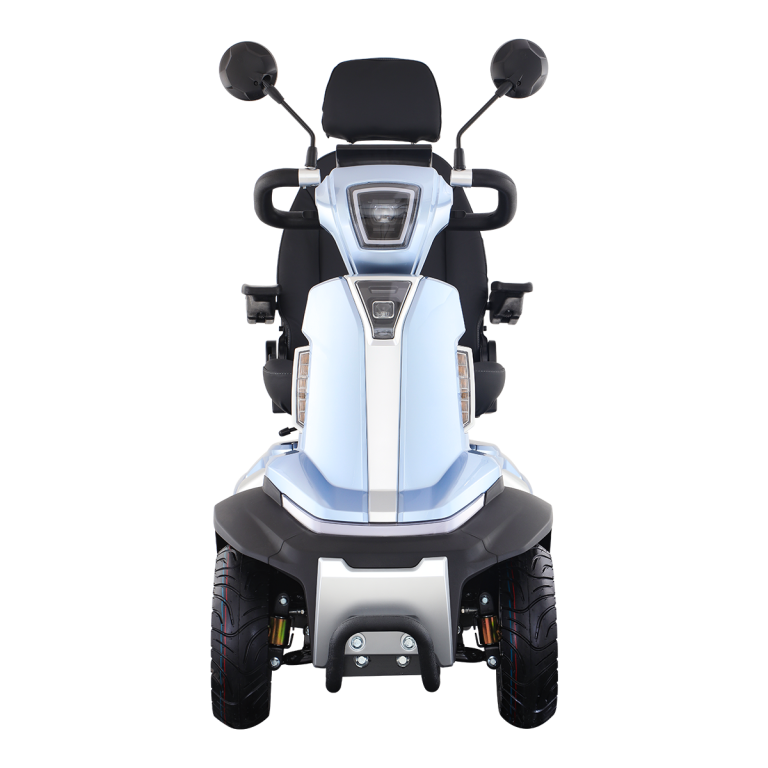
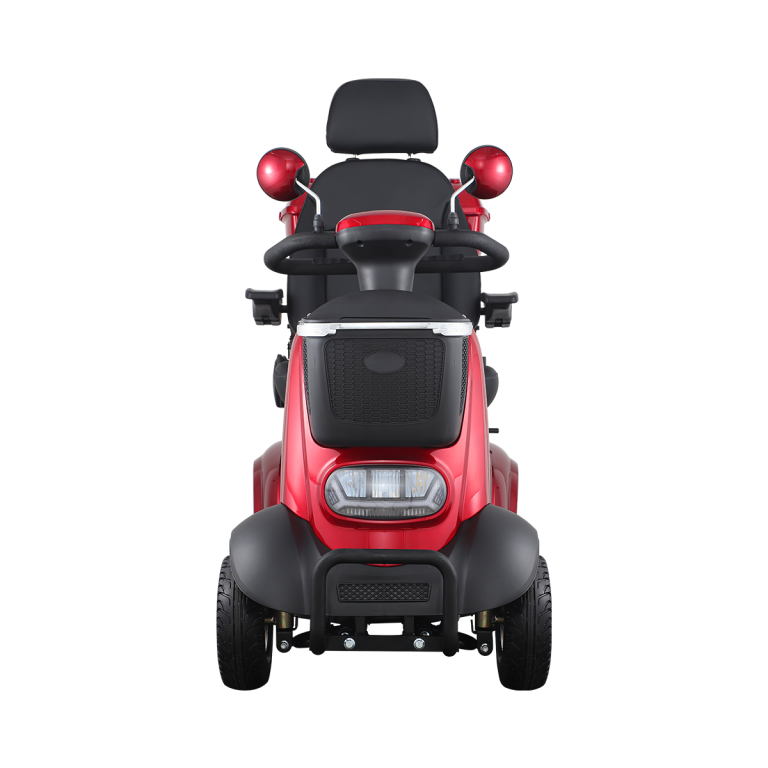
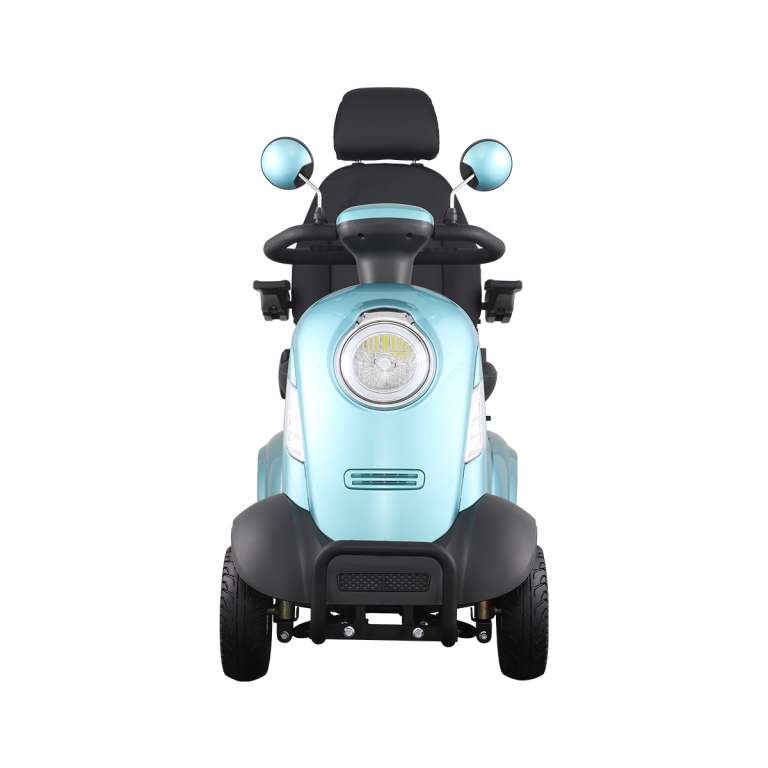
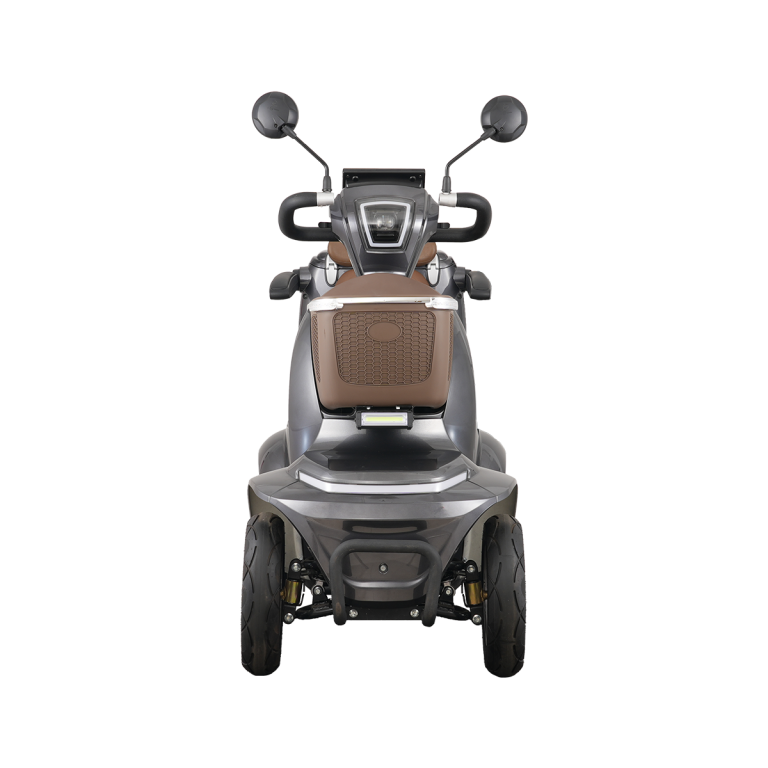
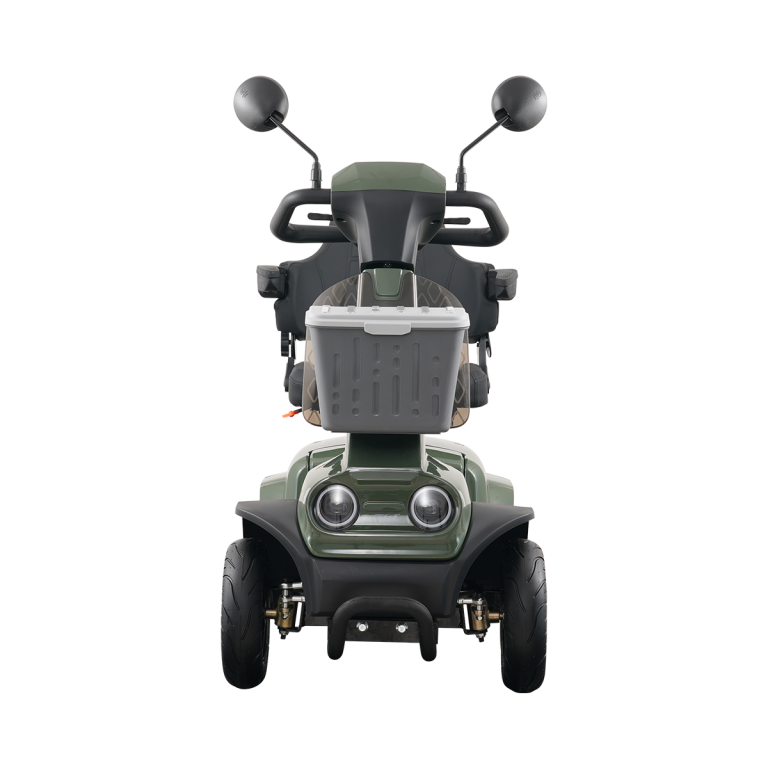
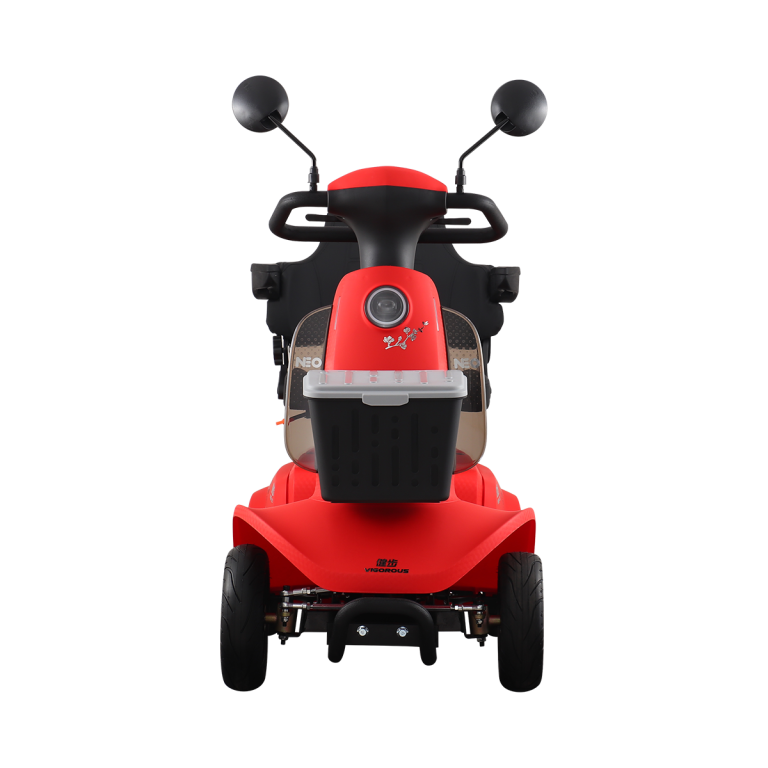
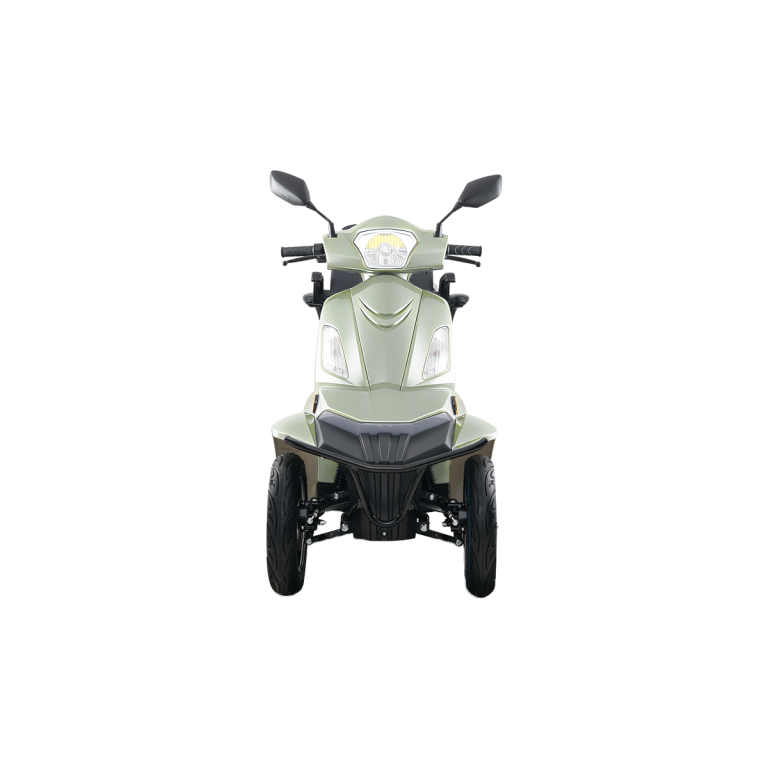
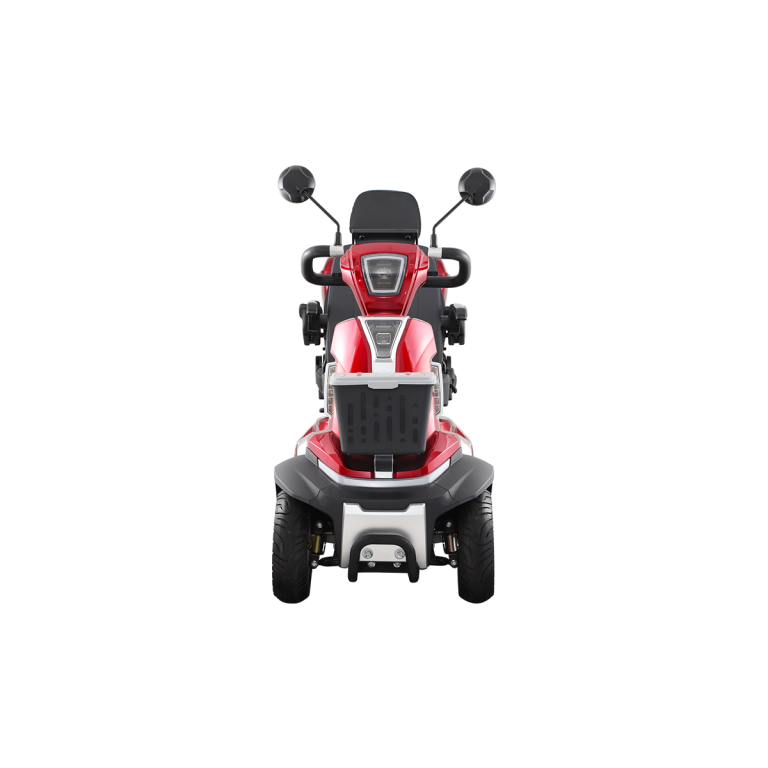
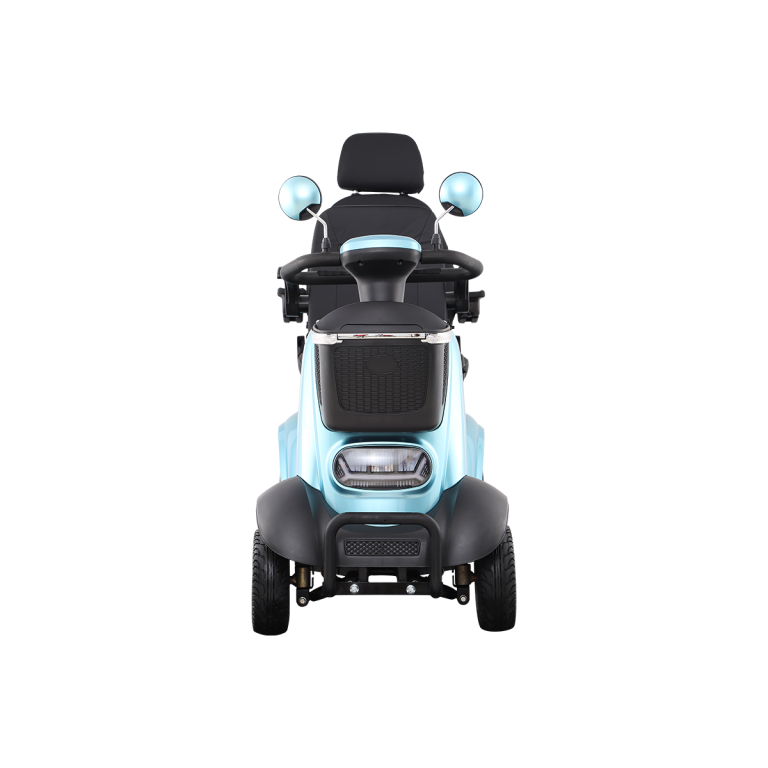
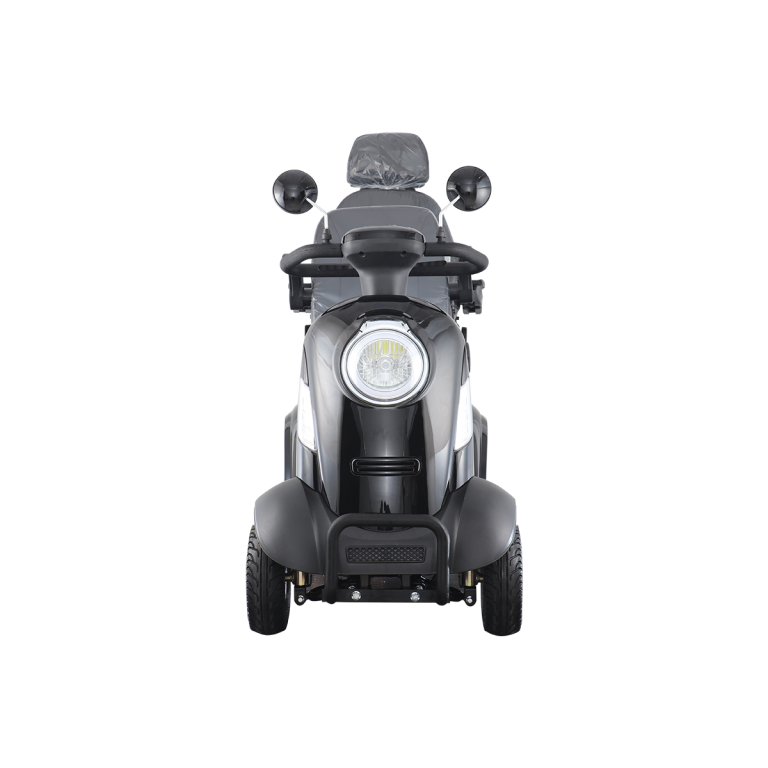
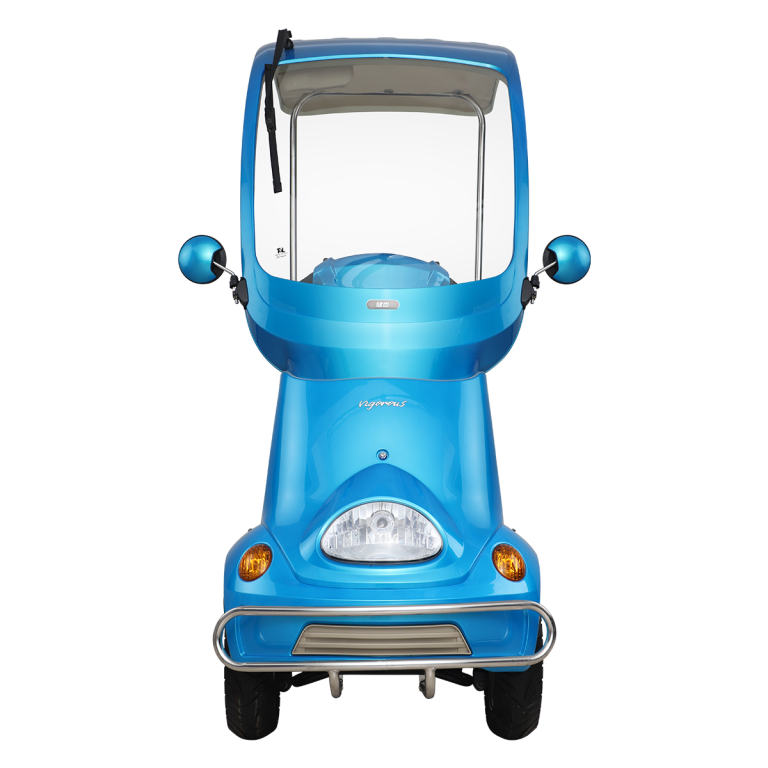
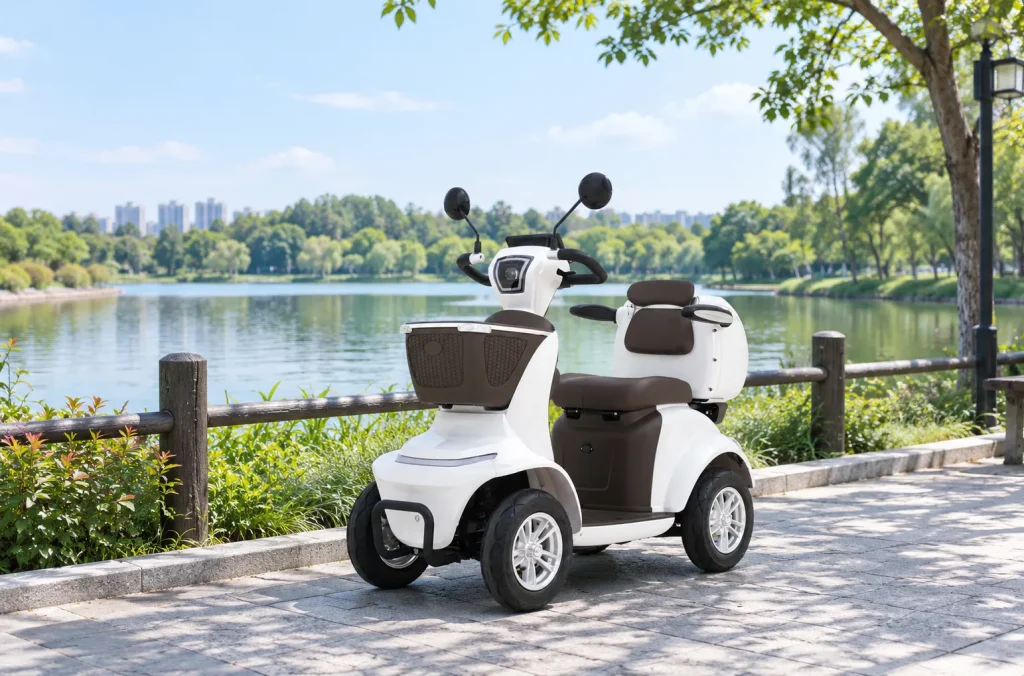
4 wheel mobility scooters feature a wider chassis and four distinct support points, significantly reducing the risk of tipping through their structural design and offering stability that far surpasses three-wheeled models. Most mainstream models come equipped with all-wheel suspension and high-power motors, allowing them to effortlessly navigate curb impacts, grass resistance, and gentle slopes of 5-10 degrees—demonstrating exceptional outdoor adaptability.
Suitable for: Middle-aged and elderly individuals living in suburban areas, frequently participating in outdoor and park activities, of larger build, or with extremely high safety requirements for travel.

While moped still have advantages in speed and right-of-way, for most middle-aged and elderly individuals, they come with associated safety risks, higher maintenance costs, and cumbersome administrative procedures.
Electric mobility scooters are the preferred choice for middle-aged and elderly individuals in 2026. Choosing a suitable electric mobility scooter is not only choosing an efficient and convenient means of transportation, but it can also effectively expand the activity radius of the elderly, allowing them to enjoy their later years while traveling safely and comfortably.