





How to Choose the Right 2 Seater Mobility Scooter for Everyday Use
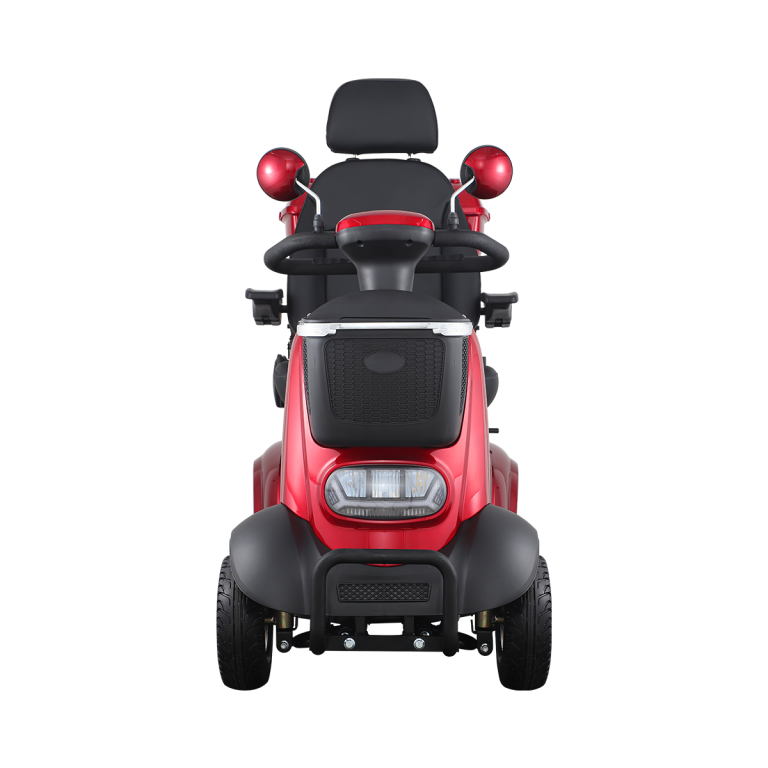
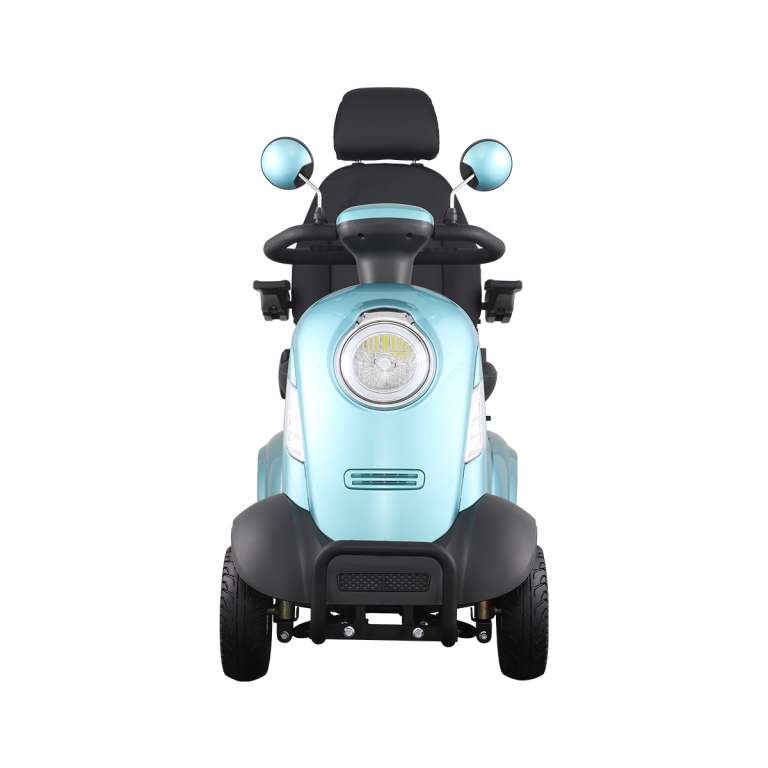
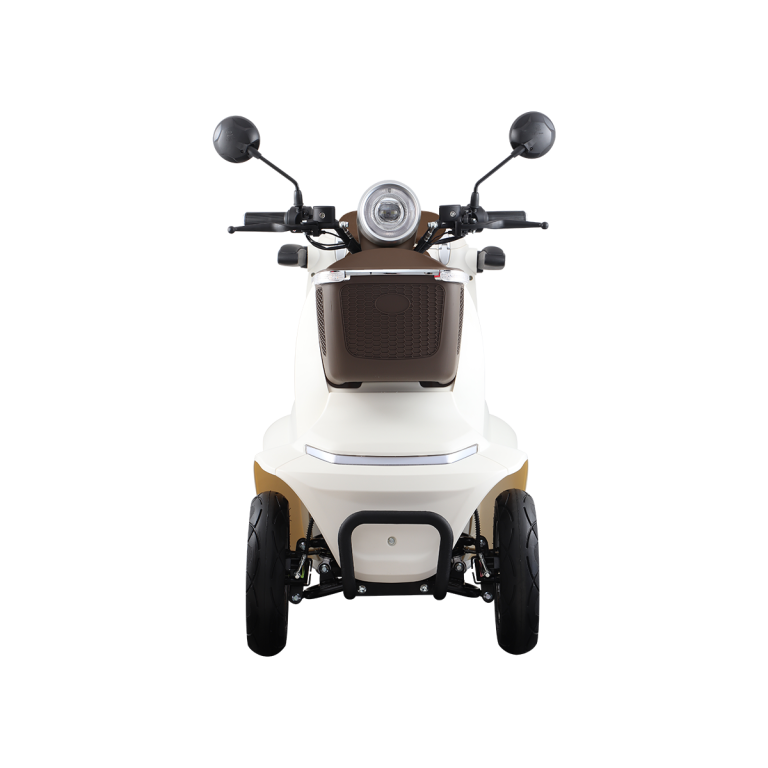
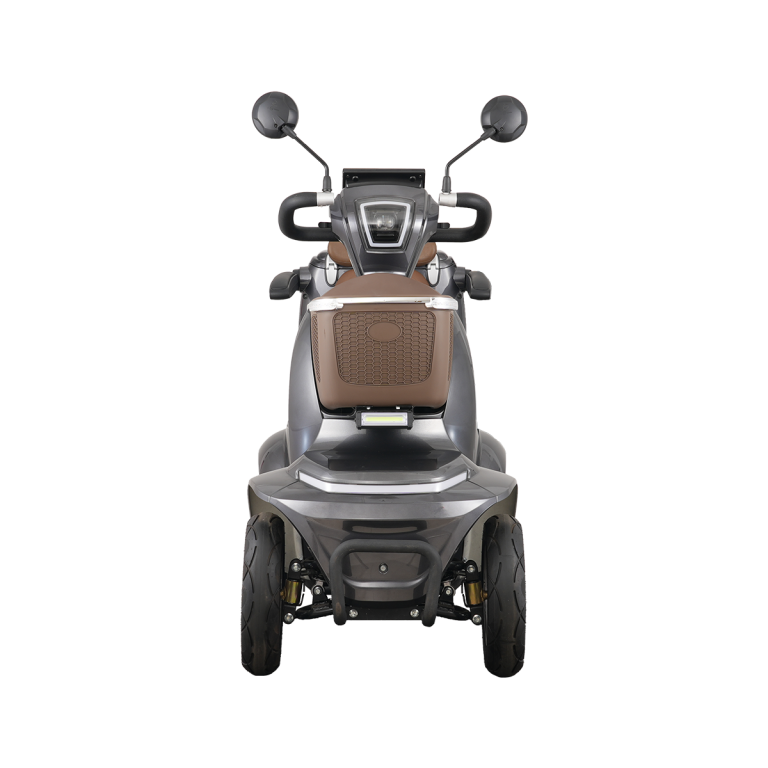
A 2 seater mobility scooter is designed to let two people travel together on one vehicle, making it a practical option for couples, caregivers, family members, and shared outdoor mobility.
For many families, getting around together isn’t just about reaching a destination — it’s about staying connected. But when a parent, grandparent, or partner has limited mobility, the standard solution (a single-person mobility scooter) creates a problem: one person rides while the other walks alongside, stopping and starting, never quite side by side.
That gap is exactly what a 2 passenger mobility scooter is designed to close. These aren’t oversized versions of single-person models — they’re purpose-built machines with reinforced chassis, and dual seating configurations that let two people travel together as a unit.
The broader mobility scooter market reflects just how much demand is growing. According to Global Market Insights, the global mobility scooter market was valued at over $2.2 billion in 2024 and is projected to reach $3.66 billion by 2034, driven largely by aging populations and rising demand for assistive devices that support independent living. Within that trend, two-person scooters are emerging as a practical answer for couples and caregivers who want to stay mobile without going separate ways.

What Are 2 Seater Mobility Scooters?
2 seater mobility scooters are electric mobility vehicles designed to carry two people on the same scooter. Unlike standard single-seat models, a 2 seater mobility scooter has a dual-seat configuration that allows two riders to travel together, making it suitable for couples, family members, caregivers, and shared outdoor trips.
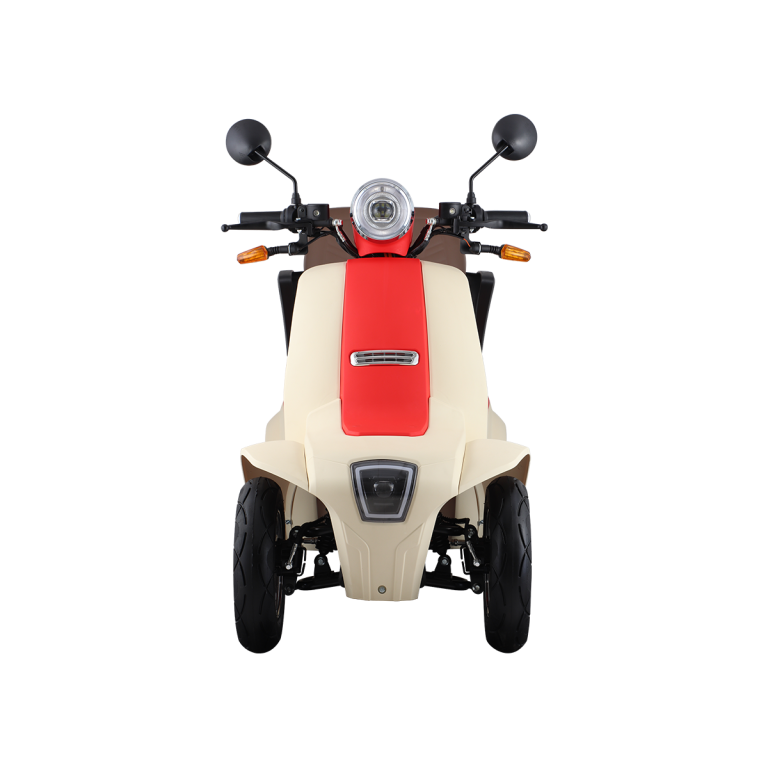
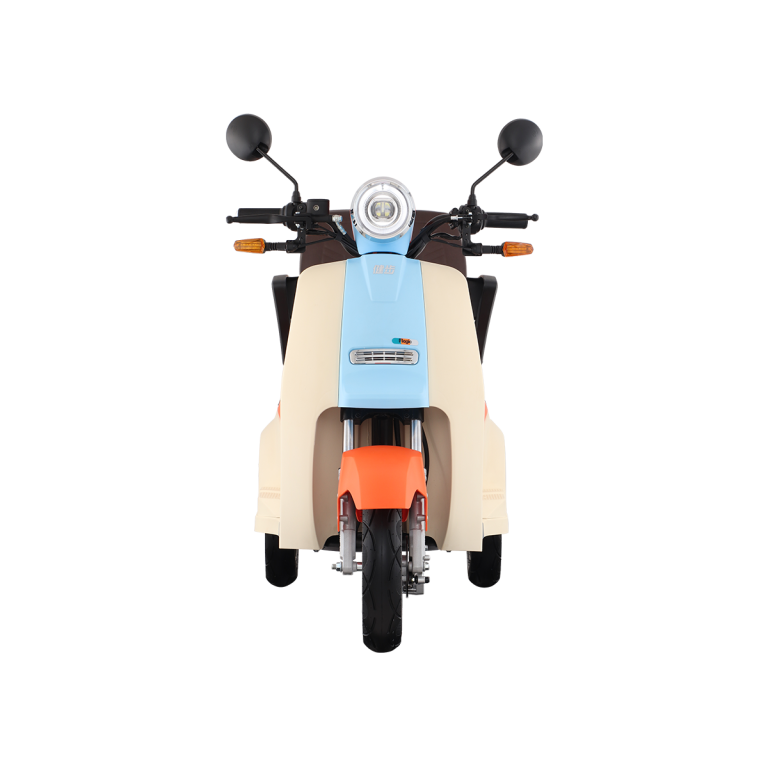
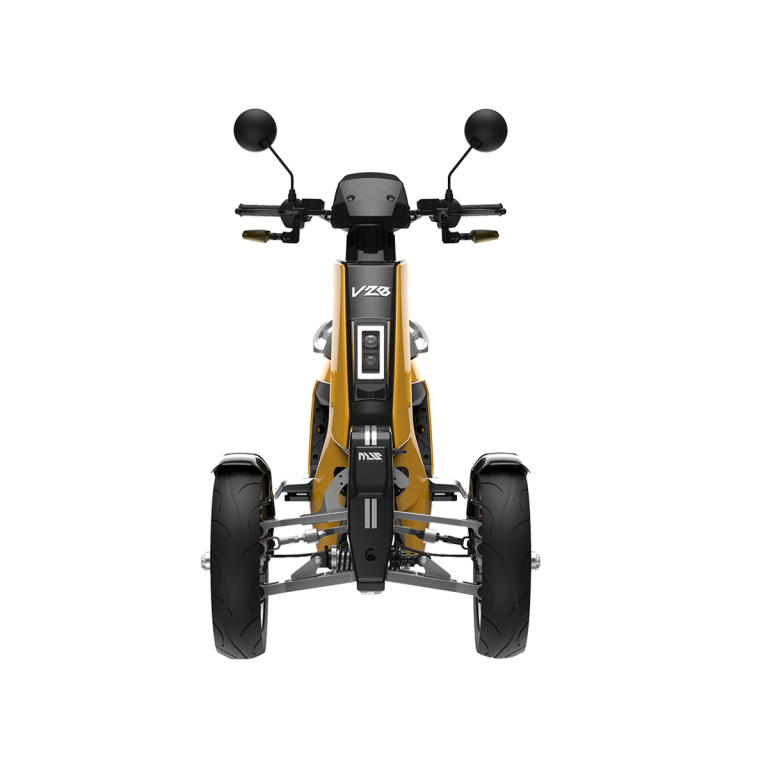
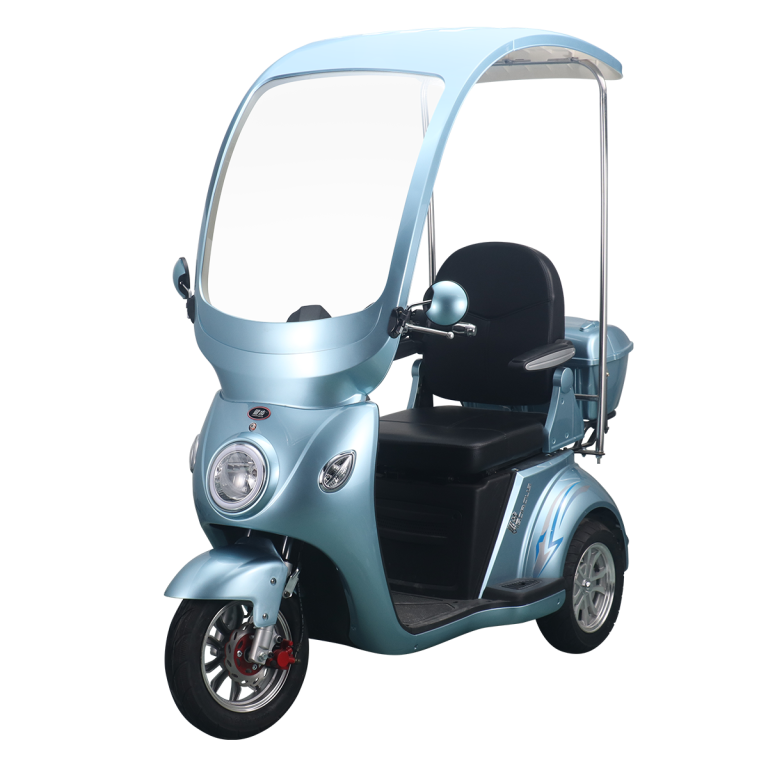
A two-seater mobility scooter can use different seating and wheel configurations depending on its intended application. Some models use front-and-rear independent seats, while others are designed with a more compact layout for everyday use. Three-wheel models generally focus on maneuverability, while four-wheel models provide a wider stance for greater stability.
For people looking for a two passenger mobility scooter, factors such as seating layout, weight capacity, braking system, dimensions, battery range, and intended riding environment should be considered before choosing a model. The right mobility scooter for two people depends not only on carrying two riders, but also on how and where the scooter will be used.
Why 2 Passenger Mobility Scooters Are Gaining Ground
They solve a real emotional problem, not just a logistical one
Single-rider scooters give the person with limited mobility their independence — but they can quietly isolate that person from companions who have to follow on foot. A dual-rider scooter removes that divide. Couples can have a conversation at a normal pace. A family member can sit next to an elderly parent rather than jogging to keep up. That shift — from parallel to together — matters more than most product descriptions acknowledge.
Caregivers can provide hands-on support without stopping
When someone needs monitoring or occasional physical help (managing a turn, staying steady on uneven ground), a caregiver in a separate vehicle can’t respond instantly. Sharing a scooter means the support person is already there — no lag, no worry about falling behind.
One purchase covers two riders
For households where two people have reduced mobility — or where one person assists another daily — a single two-seat scooter is more practical than buying and maintaining two separate units. Charging, storage, and upkeep all consolidate to one machine.
6 Essential Things to Check Before You Buy
1. Weight capacity with a real-world margin
Manufacturers list a maximum load, but running any vehicle at its exact limit puts stress on the motor, battery, and frame over time. This headroom preserves battery range and climbing performance over the long term.
2. Chassis stability and braking systems
Two passengers create significantly more inertia than one. When you add weight and change the scooter’s center of gravity, a narrow or lightweight base becomes a real hazard on slopes or during quick stops. Look for:
- Wide wheelbase
- Low center of gravity
- Powerful brakes
- Auto-hold or hill-hold function
These aren’t premium extras — for a dual-rider vehicle, they’re baseline safety requirements.
3. Physical dimensions versus your actual spaces
To provide a spacious and stable ride outdoors, dual-rider scooters are generally wider and longer than standard models. Before ordering, consider the typical riding routes:
- Wide outdoor paths and parks (Ideal for larger scooters)
- Narrow indoor doorways or elevators
Note: Premium outdoor scooters are primarily designed for open spaces. If the primary need is navigating tight indoor corridors, a larger outdoor model may not be the most practical choice.
4. Seat Comfort for Extended Outdoor Rides
While short trips may not reveal seating flaws, longer outdoor excursions demand superior ergonomics. For dual-rider scooters intended for regular use, evaluate the following:
- Individual Seat Width: Adequate space per rider is essential to prevent fatigue and maintain proper posture.
- Backrest & Lumbar Support: High backrests with targeted lumbar support are crucial for spinal alignment, especially for riders with back conditions.
- Suspension System: Advanced suspension (front, rear, or full) is necessary to absorb shocks and ensure a smooth ride over uneven outdoor terrain.
5. Intuitive Controls for Effortless Operation
A mobility scooter should be easy to operate. An ideal control panel is highly intuitive and safe at a glance. Key features to look for include:
- One-Touch Reverse: Equipped with an audible alert to ensure safe backing up.
- Ergonomic Speed Control: A speed dial or lever that can be easily located and adjusted by feel, without needing to look down.
- High-Visibility Battery Indicator: A clear display that remains easily readable in direct daylight.
For users who are less comfortable with technology, this intuitive design is often the most critical factor in ensuring safe and confident riding.
6. After-Sale Support
Since all mobility scooter batteries naturally degrade over time, long-term ownership costs are a critical factor to consider:
Battery Lifespan: Sealed lead-acid batteries typically require replacement every 18–24 months with regular use. Lithium-ion batteries offer a longer lifespan of 3–5 years but come with a higher upfront cost.
Customer Service: Reliable after-sale support is essential for troubleshooting and maintenance. A responsive support team ensures the scooter remains safe and operational for years to come.
Which 2 Passenger Mobility Scooter Fits Your Situation?
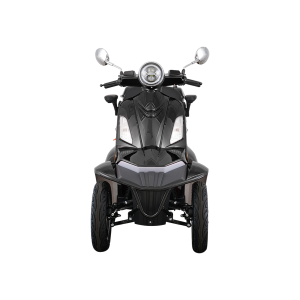
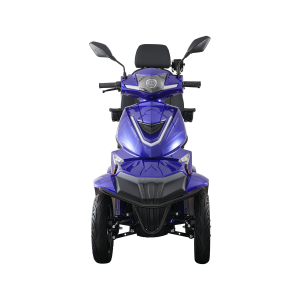
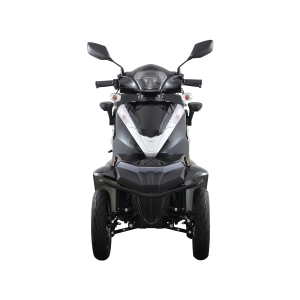
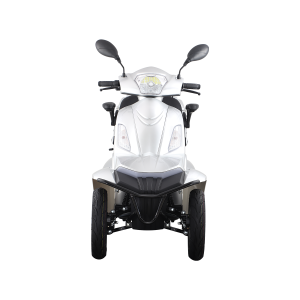
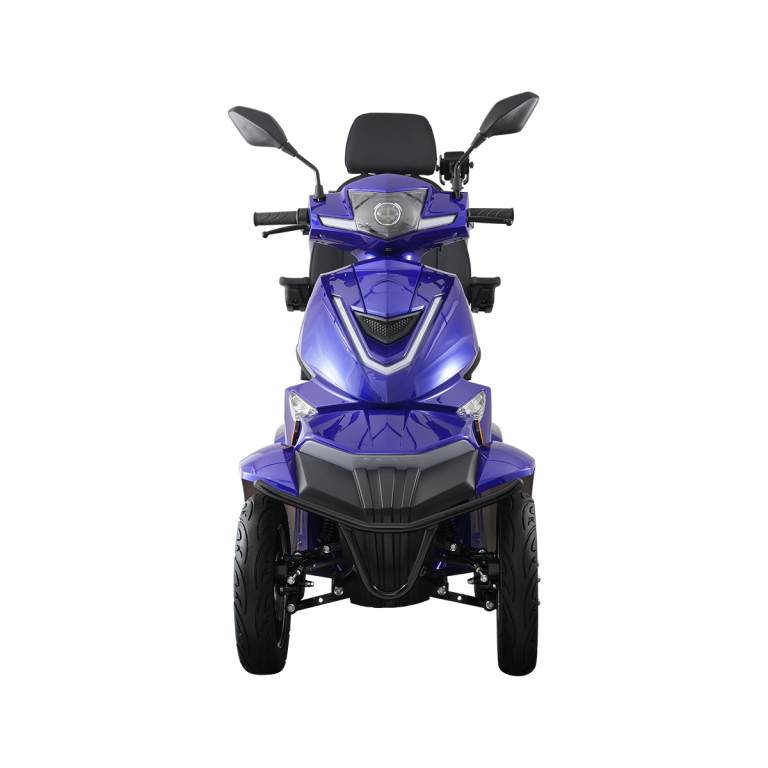
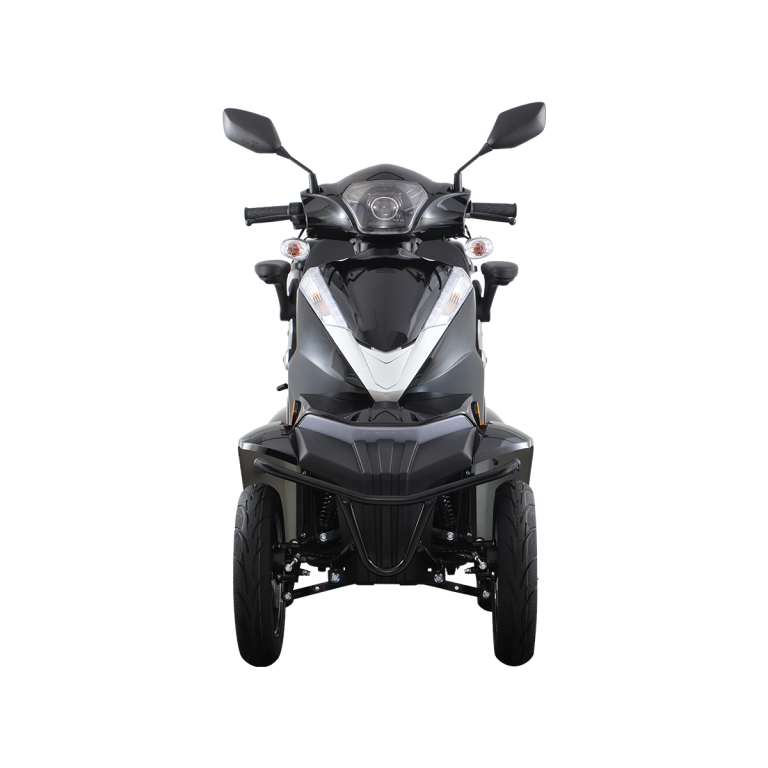
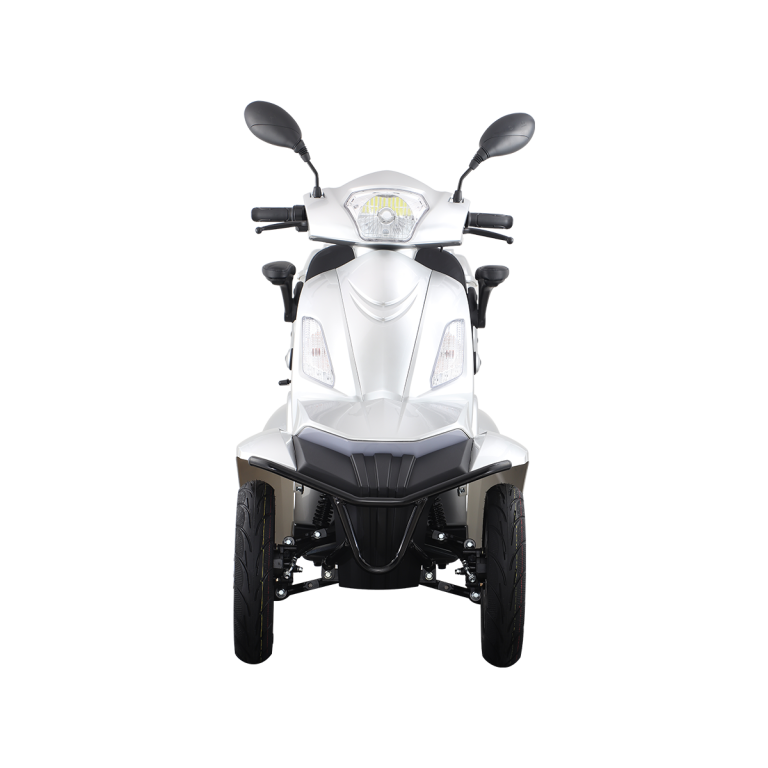
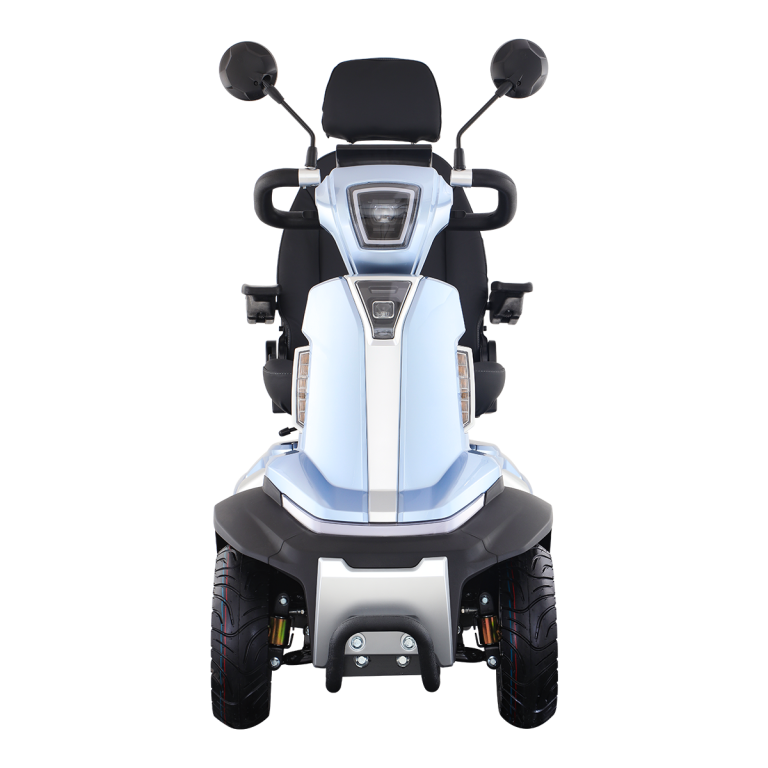
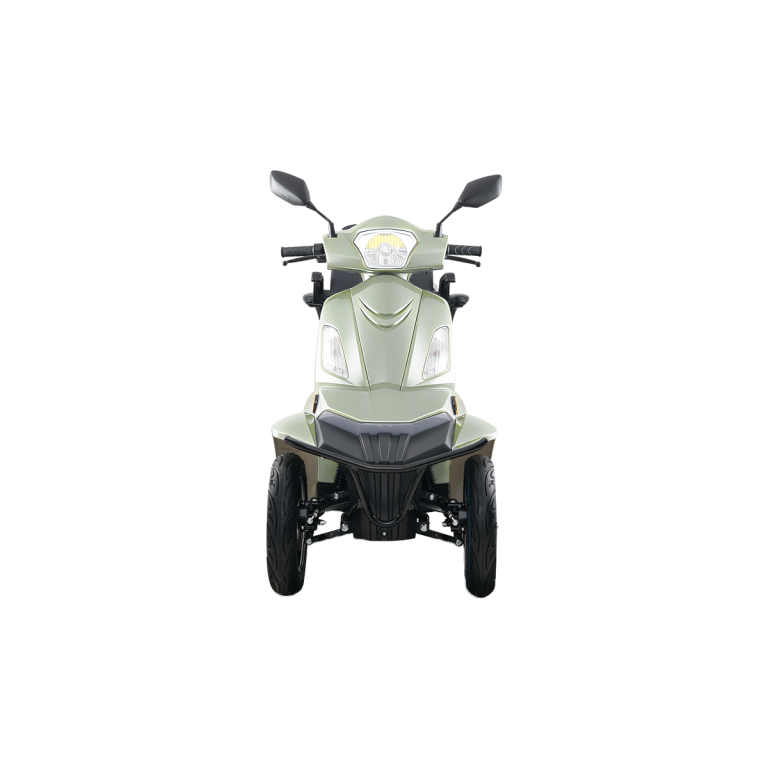
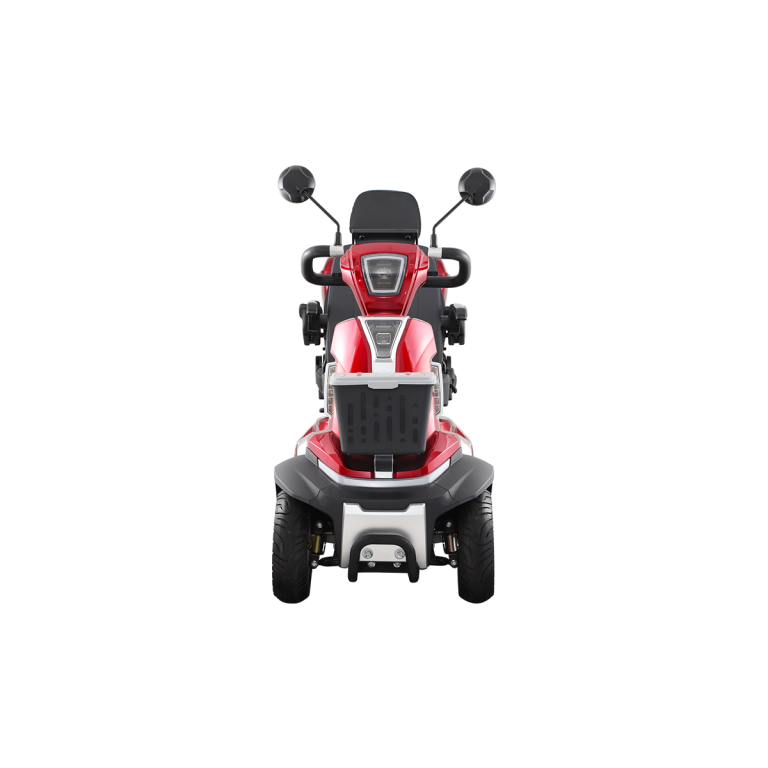
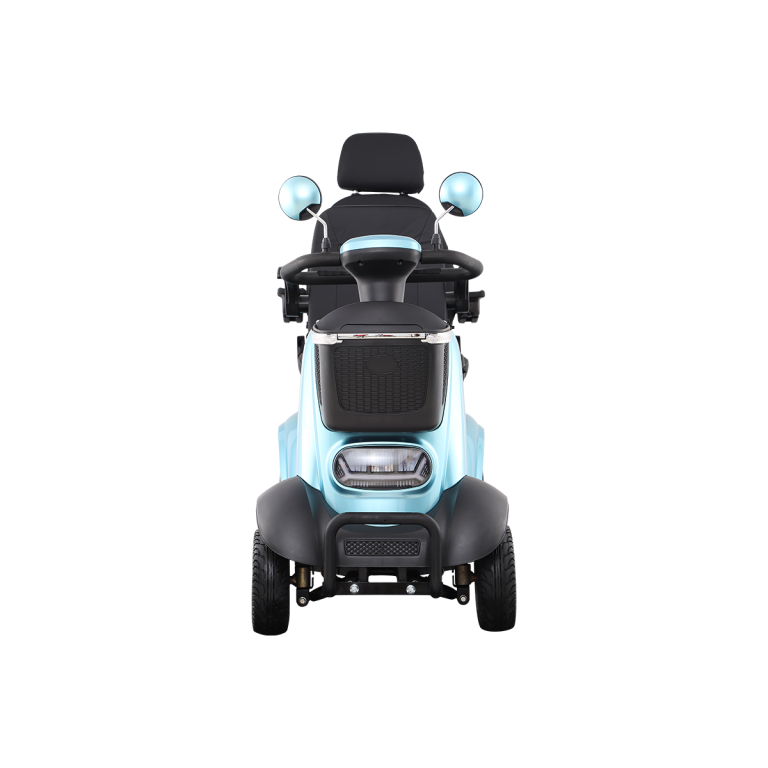
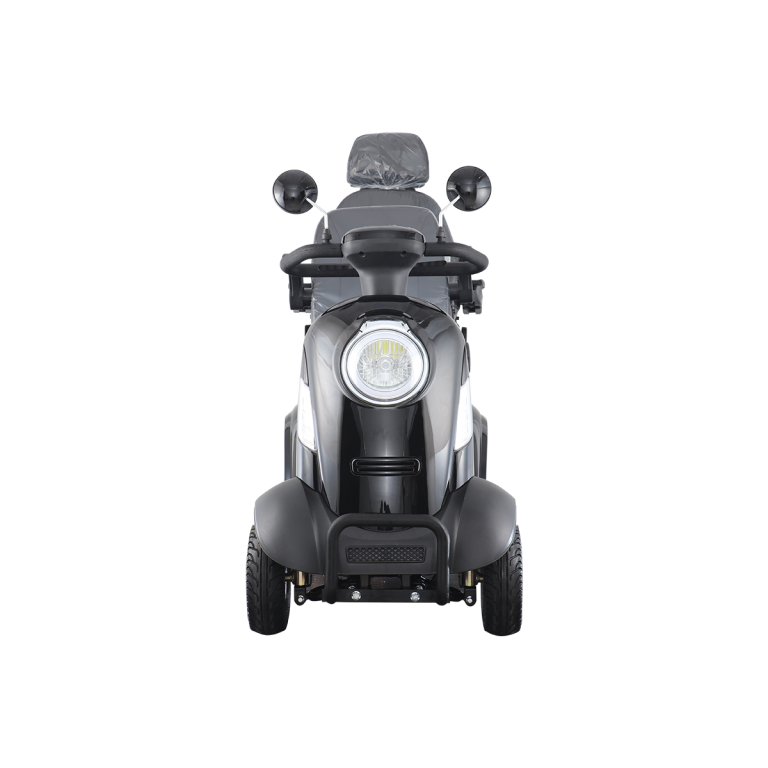
The following four scooters from VIGROUS illustrate how different design priorities play out in real use. They fall into two broad categories: comfort-focused models built for relaxed, longer rides, and compact models designed for tighter spaces and more flexible day-to-day use.
Comfort Series: Built for Relaxed, Side-by-Side Travel
These two models prioritize ride quality and adjustability. Both feature fully independent front and rear seating, meaning each rider has their own chair rather than sharing a bench — a meaningful difference for comfort on rides longer than 20–30 minutes. Backrests are adjustable in angle, and the front-to-back distance between seats can be repositioned to accommodate riders of different heights.
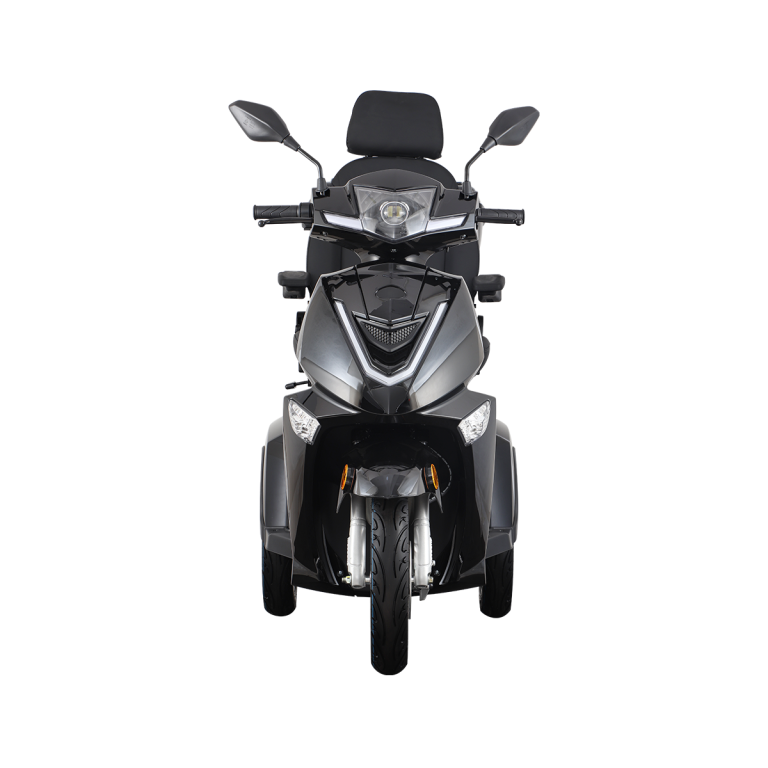
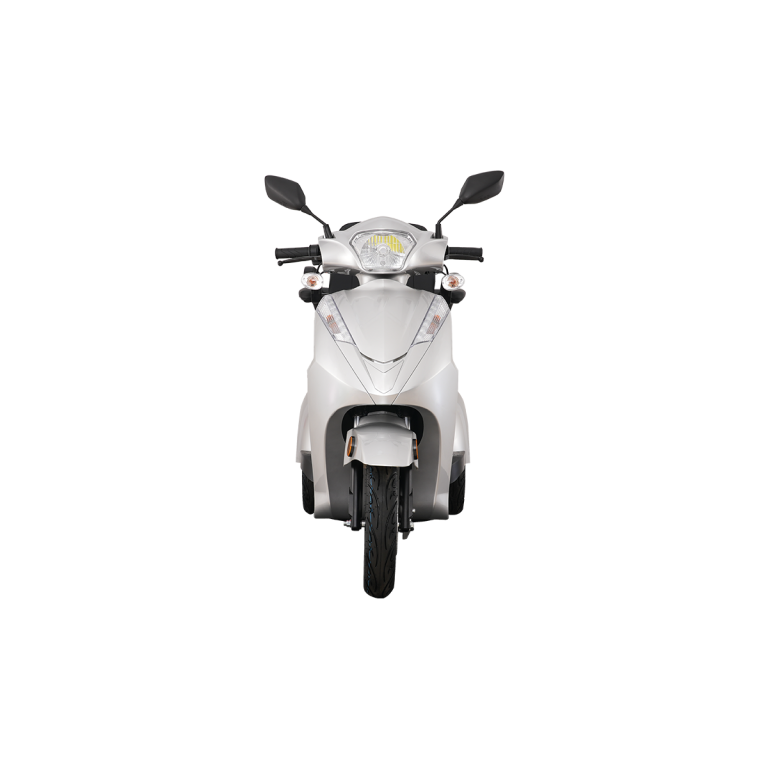
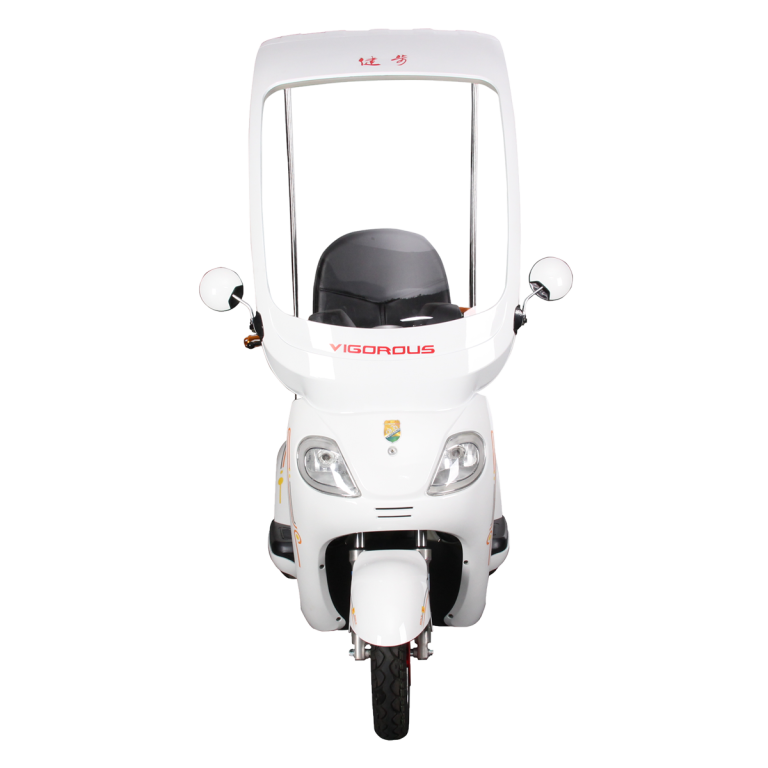
Vista-L1 — 3 Wheel Comfort Scooter
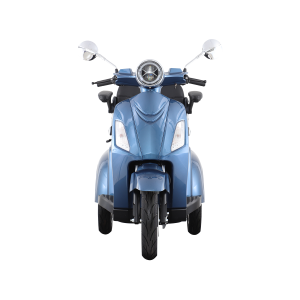
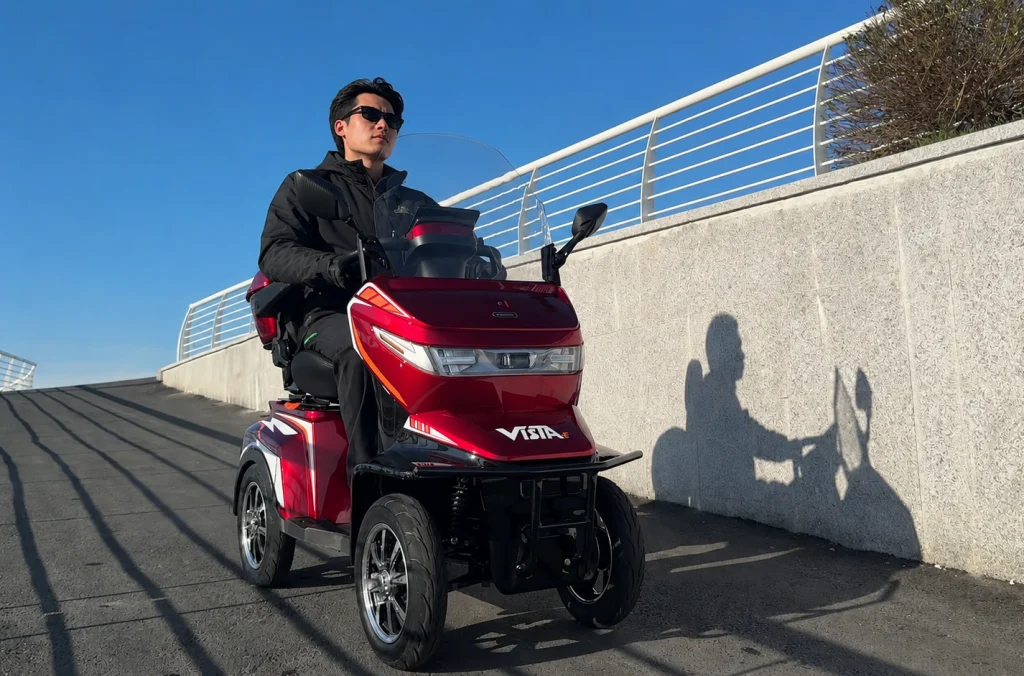
Vista-L1 is 3 wheel 2 passenger mobility scooter equipped with hand brakes. The three wheel configuration gives it a tighter turning radius than four wheel alternatives, which makes it more maneuverable in parks, along paths, or in open outdoor areas. The independent seating means the passenger in the rear isn’t locked into a fixed position — backrest angle and seat distance can both be adjusted to fit.
Best for: Couples or companions who want a comfortable side-by-side ride on open paths, and value the ability to fine-tune seating to their individual needs.
Vista-L1
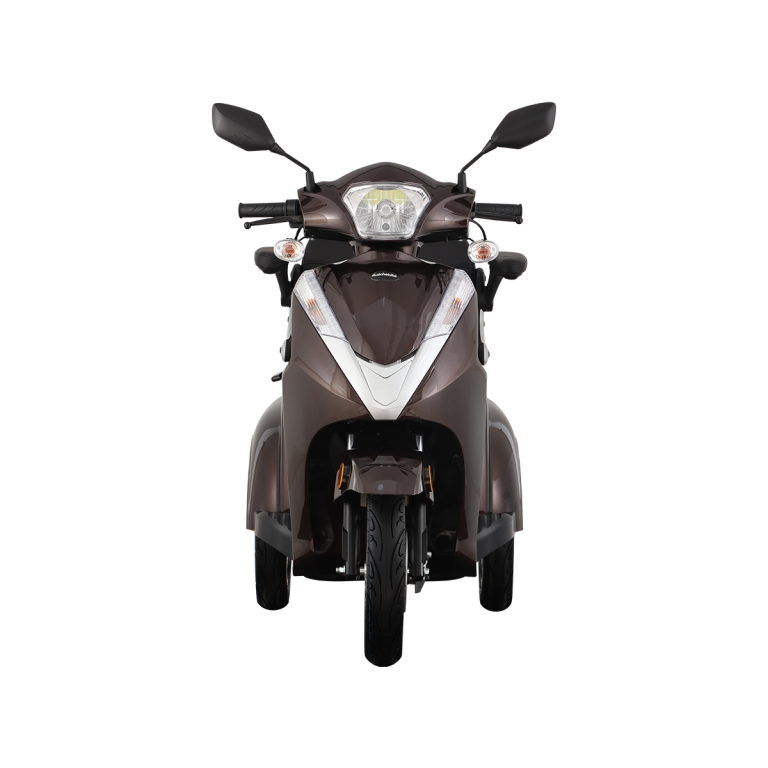
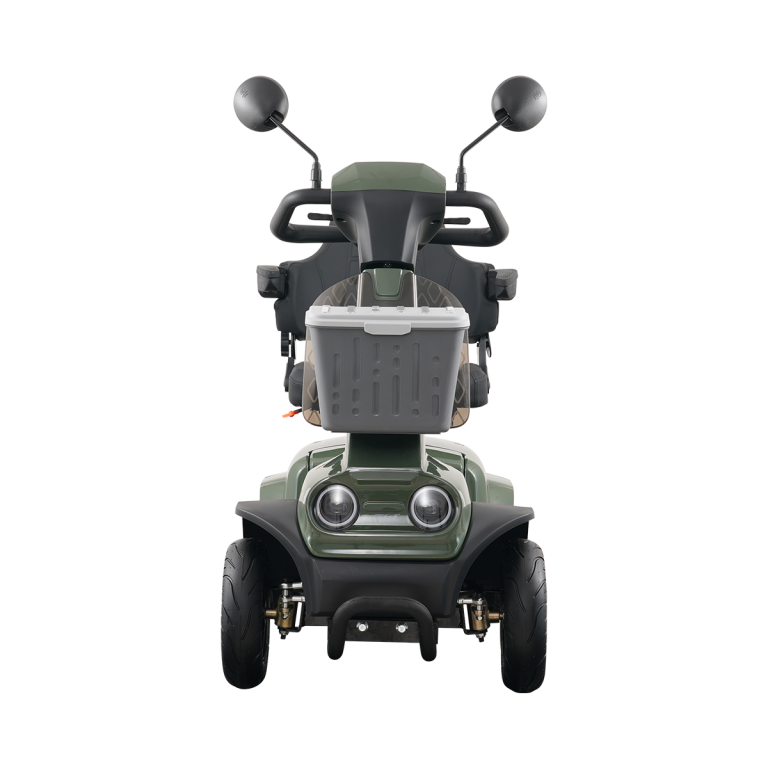
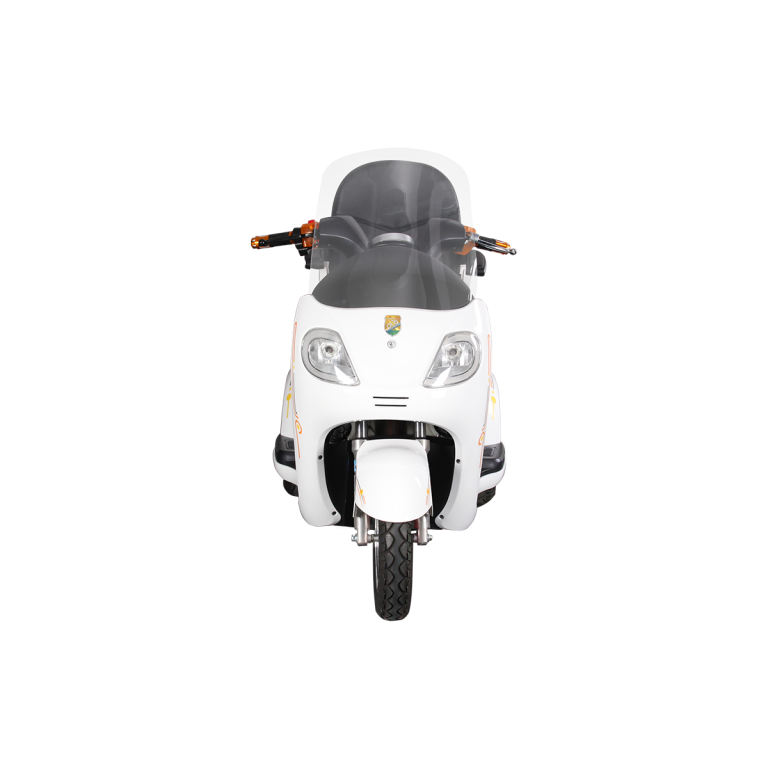
Spirite-L1 — 4 Wheel Comfort Scooter
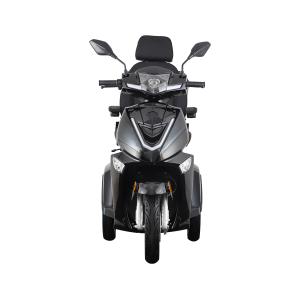
Spirite-L1 shares the same independent dual-seat layout as the Vista-L1, but adds two things: a fourth wheel and electromagnetic brakes. The extra wheel widens the stance, which improves lateral stability — relevant when carrying two passengers on uneven surfaces or slight slopes. Electromagnetic brakes engage automatically when the throttle is released, removing the need to manually apply a brake lever. This is particularly helpful for users who have reduced hand strength or limited grip.
Best for: Riders who prioritize stability and hands-free braking — including users with arthritis or reduced grip strength — and plan to use the scooter on varied outdoor terrain.
Spirite-L1
Comfort Series Comparison
| Item | Vista-L1 | Spirite-L1 |
| Wheels | 3 | 4 |
| Brake Type | Hand brake | Electromagnetic |
| Seating | Independent front + rear | Independent front + rear |
| Seat Adjustment | Backrest angle + fore-aft distance | Backrest angle + fore-aft distance |
| Turning Radius | Tighter | Wider |
| Lateral Stability | Standard | Enhanced |
| Best Use | Open paths, parks | Varied terrain, slopes |
Compact Series: Shorter Footprint, More Flexible Use
These two models are built around a different set of priorities. The overall length is noticeably shorter than the comfort series, which makes them easier to maneuver in tighter environments and simpler to store. Both are practical choices for running errands, school pickups, or navigating community spaces where a larger vehicle would feel cumbersome.
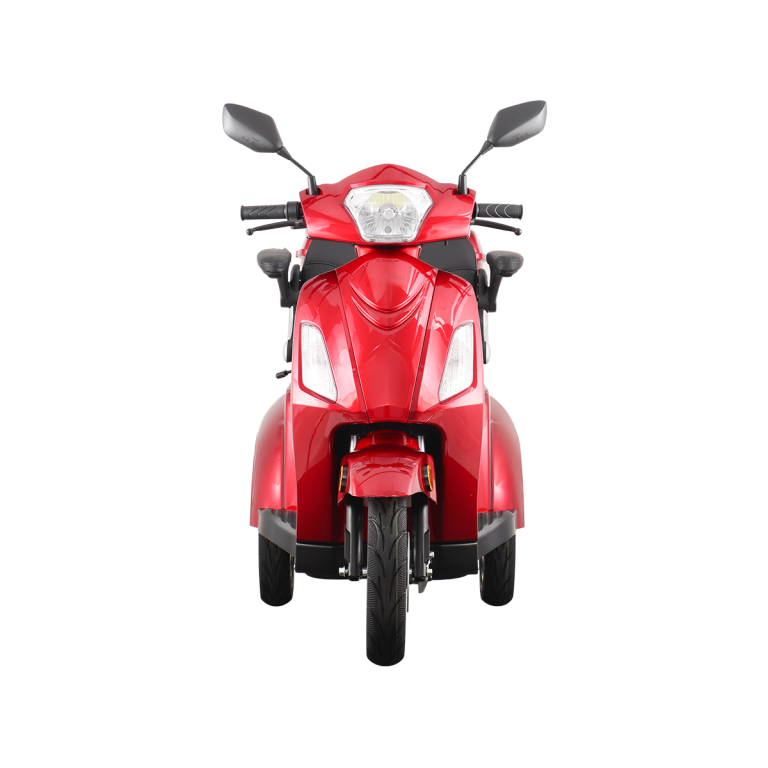
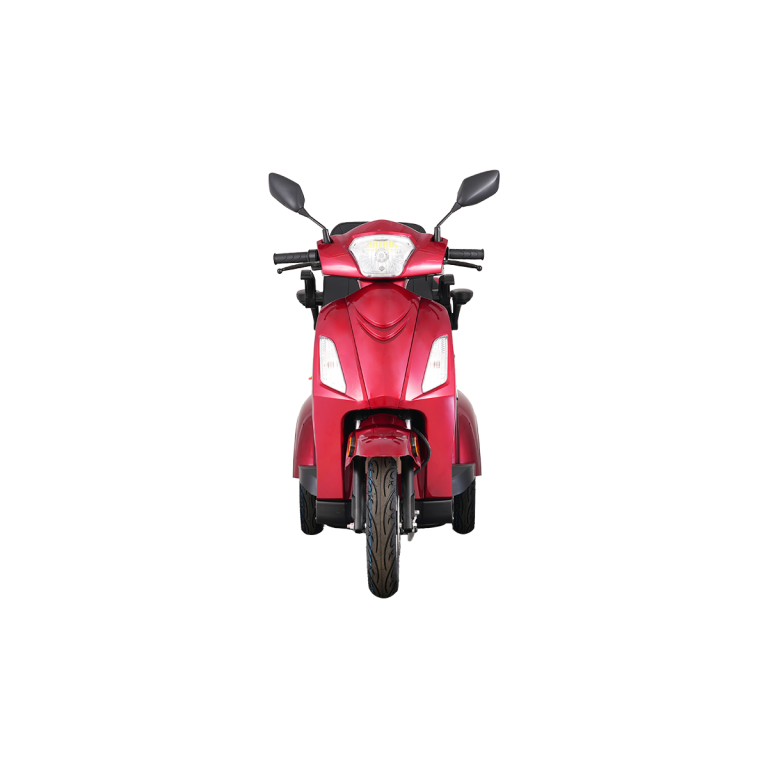
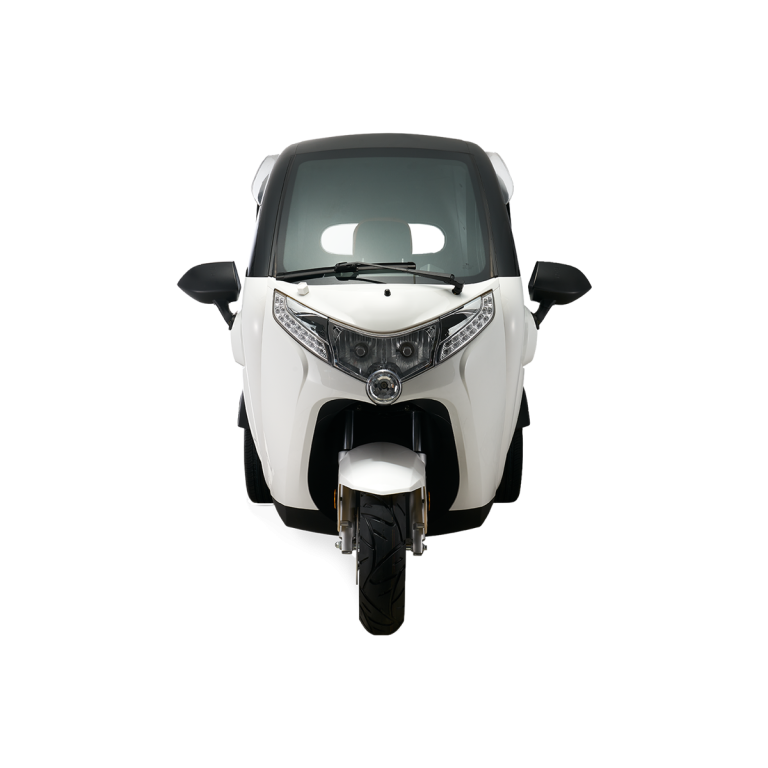
Magic-Q1 — 3 Wheel Compact Scooter
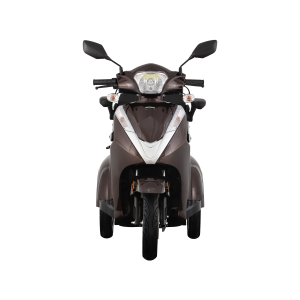
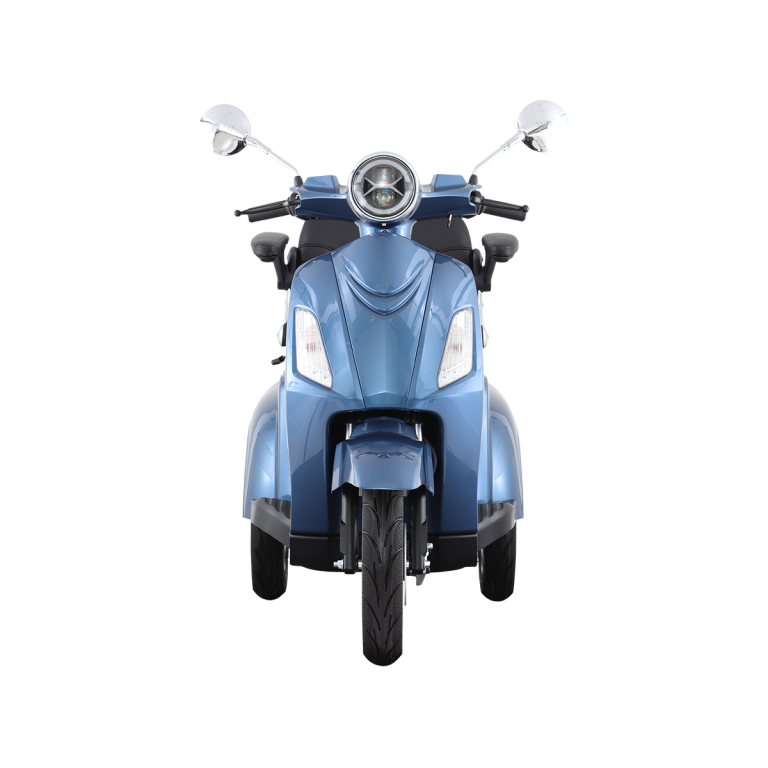
Magic-Q1 is three-wheeled compact scooter where the seat backrests slide forward and backward, allowing riders to adjust their position relative. Underneath each seat, there’s built-in storage space — useful for bags, groceries, or personal items. The three-wheel layout keeps the turning circle small, which matters when navigating narrower paths or making U-turns in confined areas.
Best for: Families who need a practical, space-efficient scooter for daily errands or school runs, where carrying capacity and easy handling are priorities.
Magic-Q1
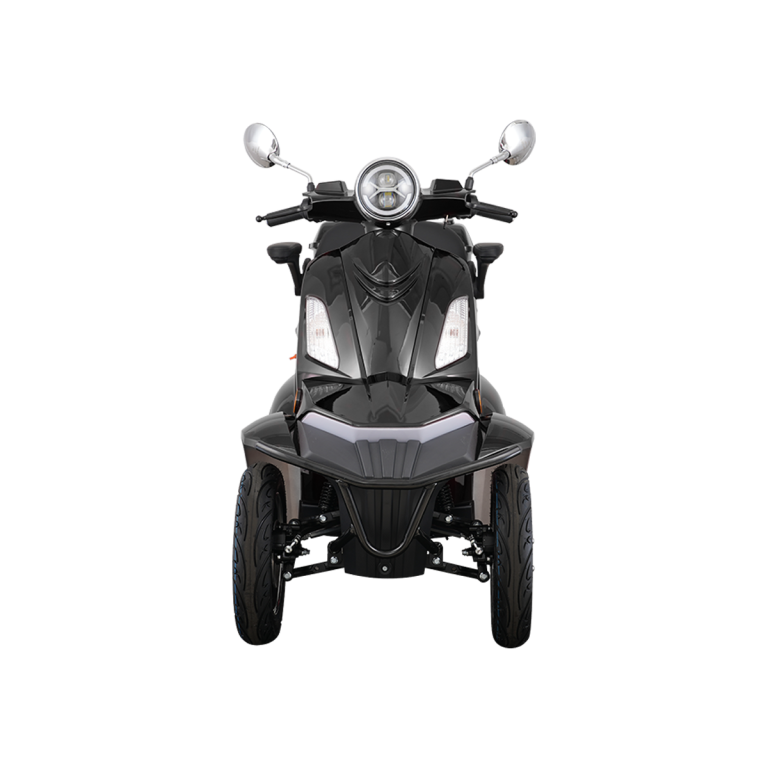
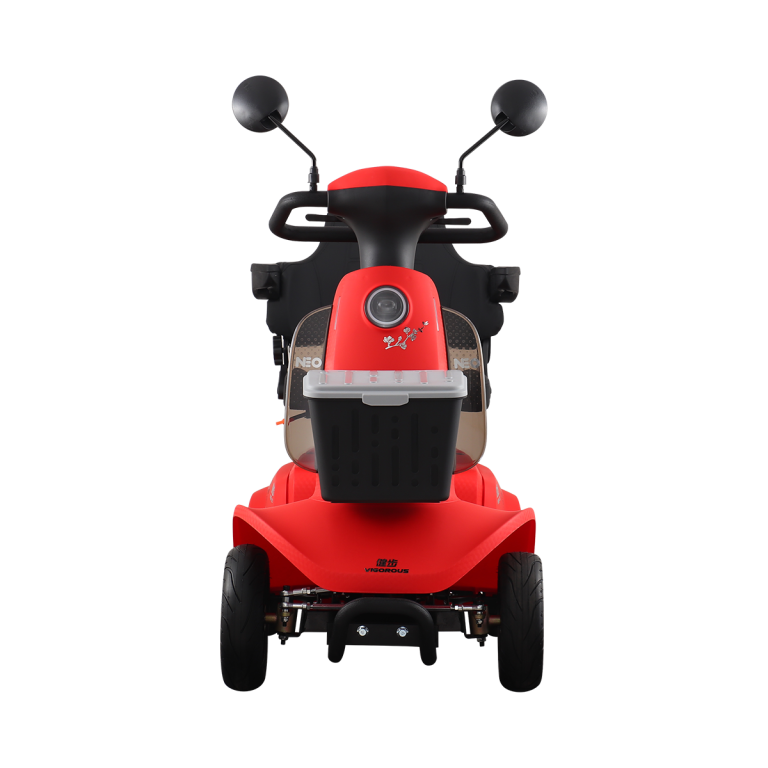
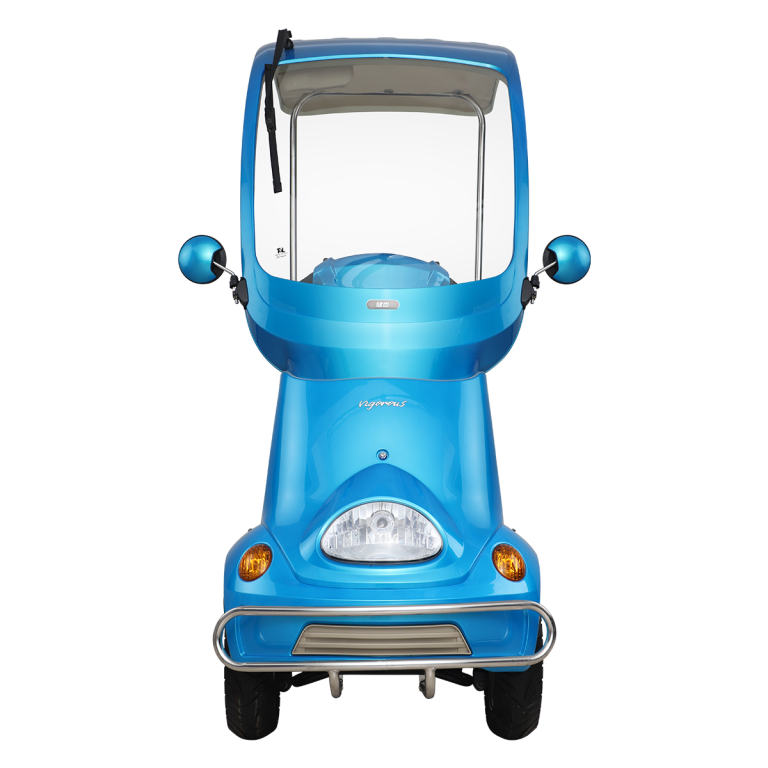
Boom-QC — 4 Wheel Compact Scooter
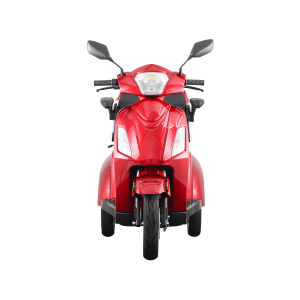
Boom-QC takes a different approach to the seating question entirely. Its seat cushion flips and repositions, converting the layout between single-rider and dual-rider configurations. The front-to-back adjustment is activated by simply pressing a button, making it effortless to customize the seating arrangement. This makes it a highly versatile option for households where the scooter sometimes carries one person and sometimes two. Additionally, the 4 wheel base provides added stability compared to Magic-Q1, while the compact overall length keeps it easy to handle in everyday environments.
Best for: Users who want the flexibility to switch between solo and paired riding, and prefer the extra stability of four wheels in a compact package.
Boom-QC
Compact Series Comparison
| Item | Magic-Q1 | Boom-QC |
| Wheels | 3 | 4 |
| Seating Mode | Dual (fixed) | Convertible single / dual |
| Seat Adjustment | Fore-aft slide | Flip-and-reposition cushion |
| Under-Seat Storage | Both seats | — |
| Lateral Stability | Standard | Enhanced |
| Overall Length | Compact | Compact |
| Best Use | Errands, school runs | Flexible daily use |
Within each category, the three-wheel option offers a tighter turning radius for superior maneuverability, while the four-wheel option provides enhanced lateral stability. Neither configuration is objectively superior; the ideal choice depends entirely on where the scooter will be used most frequently.
Still Not Sure Which One Fits?
Every riding environment is unique. Factors such as home layout, typical terrain, and the specific physical needs of both riders all play a role in the decision. If you would like a direct recommendation tailored to your specific setup, please feel free to reach out for personalized guidance.