





How to Choose Handicap Scooter Models for Your Product Range
A mobility scooter catalogue can include many models without offering customers much real choice. When several scooters share similar designs, configurations, and price points, the differences between them may be difficult to explain.
A more effective product range gives each model a distinct role. Some models may appeal to price-conscious buyers, while others offer different configurations or a higher-end product option.
The challenge is to build a range that covers different customer needs without creating unnecessary overlap. This article explores how to structure product tiers, distinguish models, and identify when adding another scooter can bring real value to the catalogue.

1. Portfolio Architecture: Define Entry, Core, and Premium Tiers
A structured product range gives buyers a clear choice at different price levels. For many distributors, three broad tiers provide a useful starting point.
Entry-level models focus on affordability and practical functions. They can appeal to price-conscious buyers who want an accessible product option.
Core models serve as the main part of the range. They should address established customer demand and provide a clear option for dealers to recommend to their customers.
Premium models target buyers looking for a higher-end product direction. Their positioning may reflect vehicle design, equipment, configuration, or other features that distinguish them from standard options.
These tiers are a planning framework, not fixed industry standards. The right structure depends on the products available, the intended customers, and the business’s pricing strategy.
For B2B buyers, the key is to define the role of each model before deciding how many products to stock.
2. Build a Tiered Product Range With Clear Price Positions
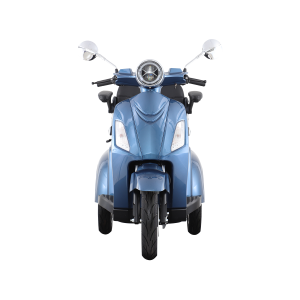
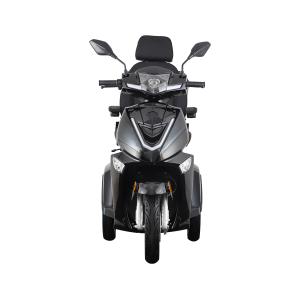
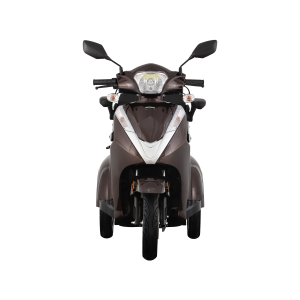
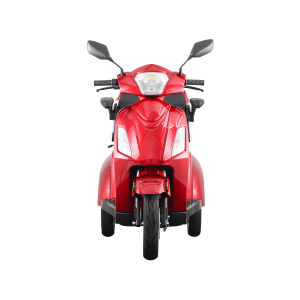
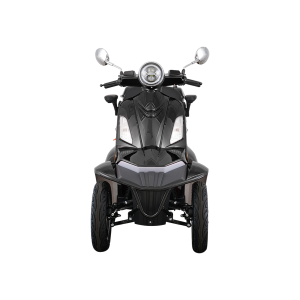
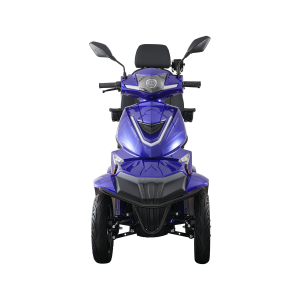
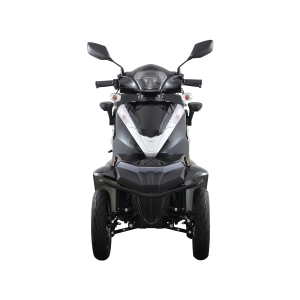
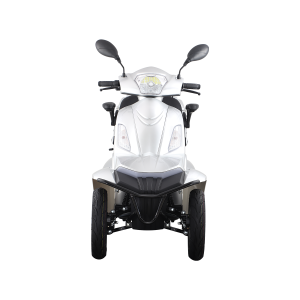
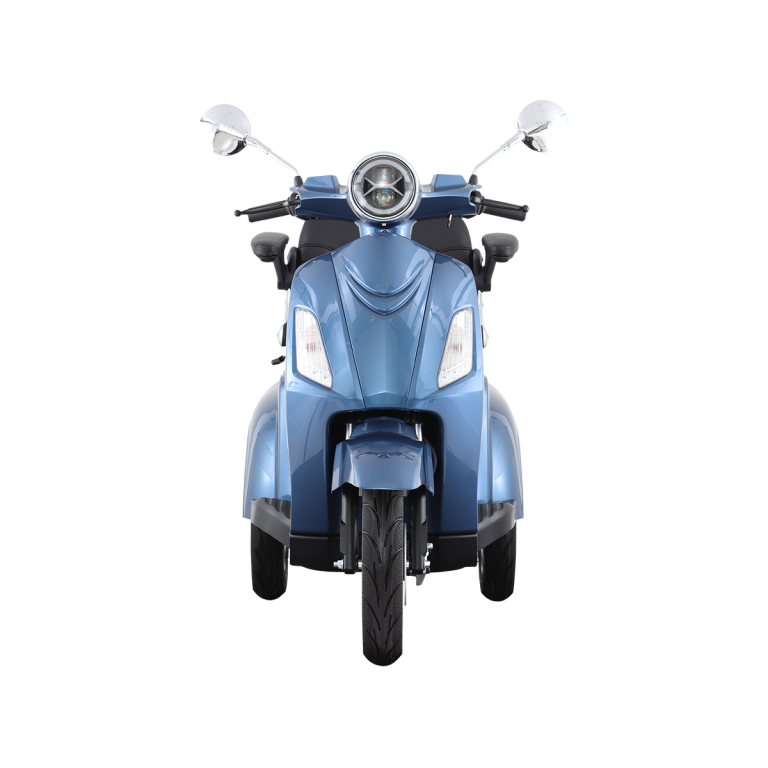
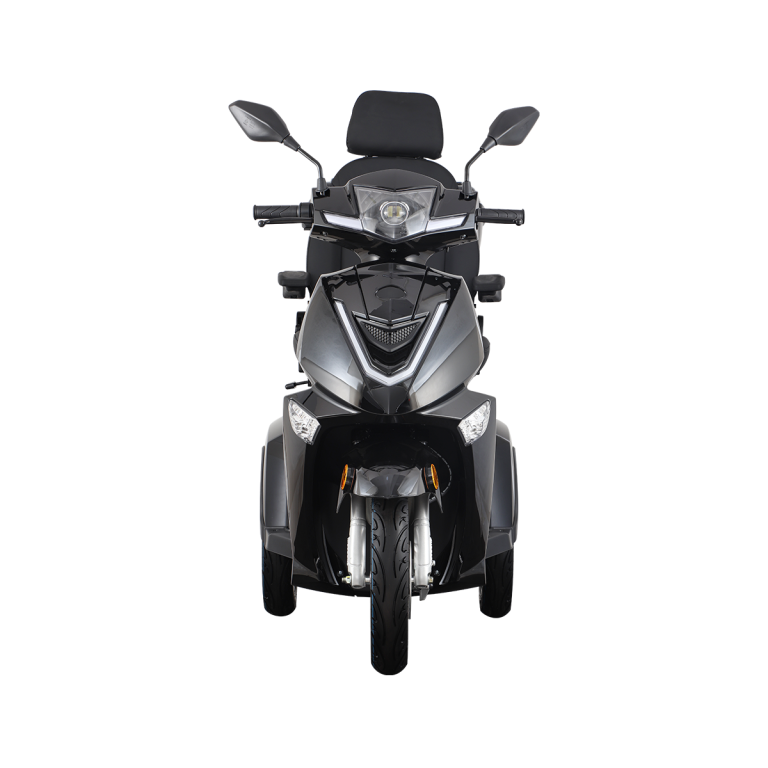
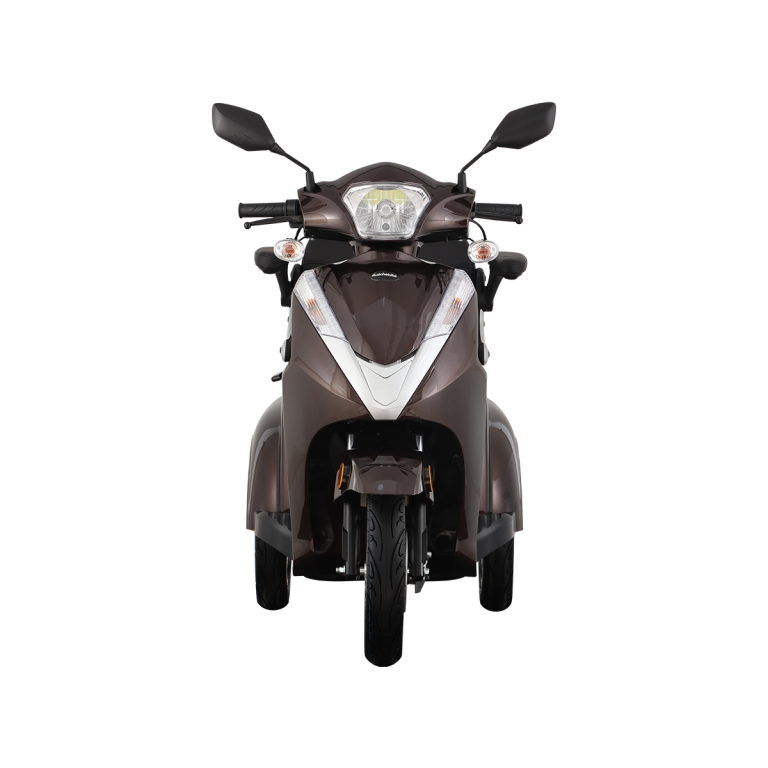
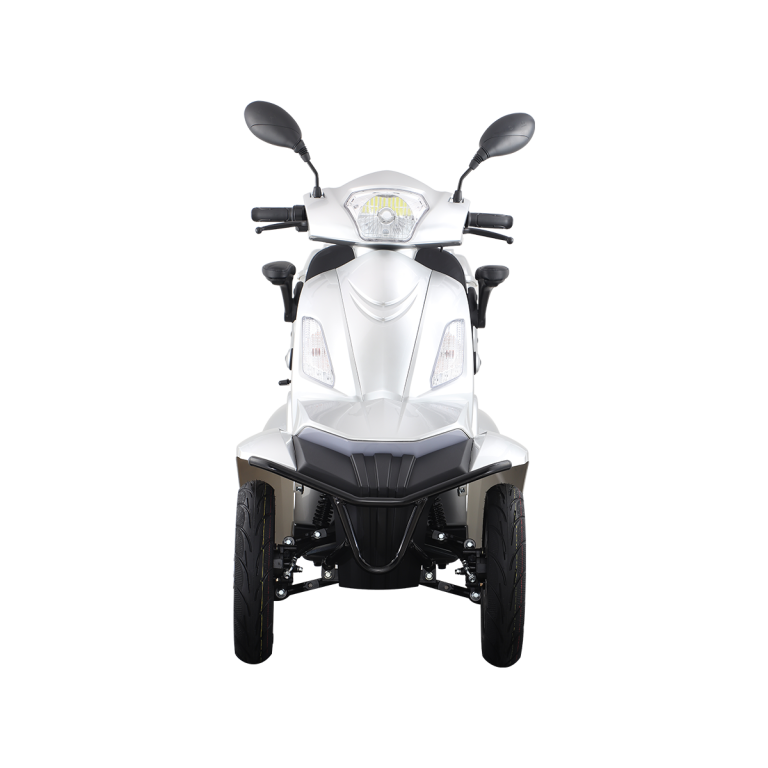
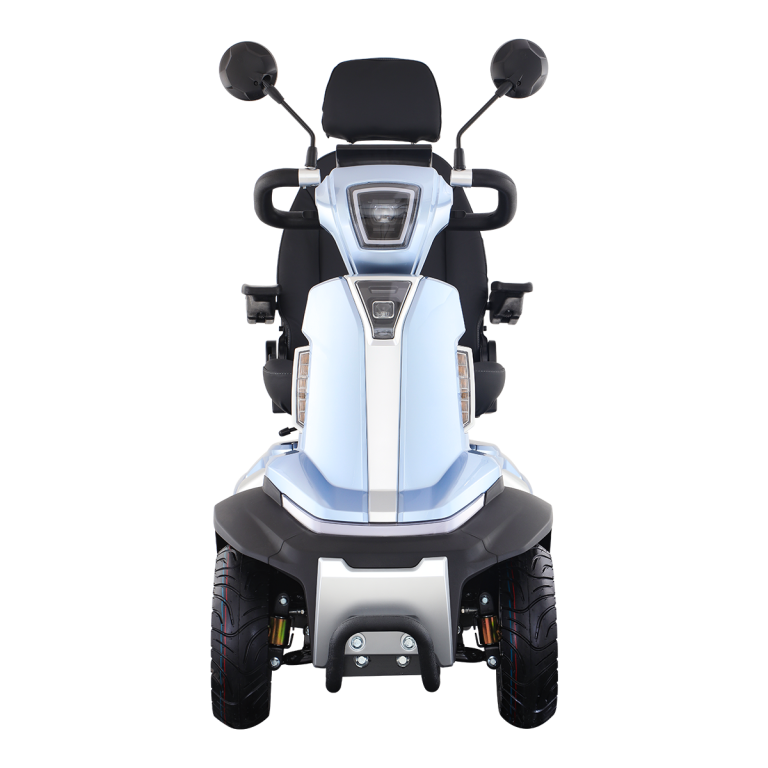
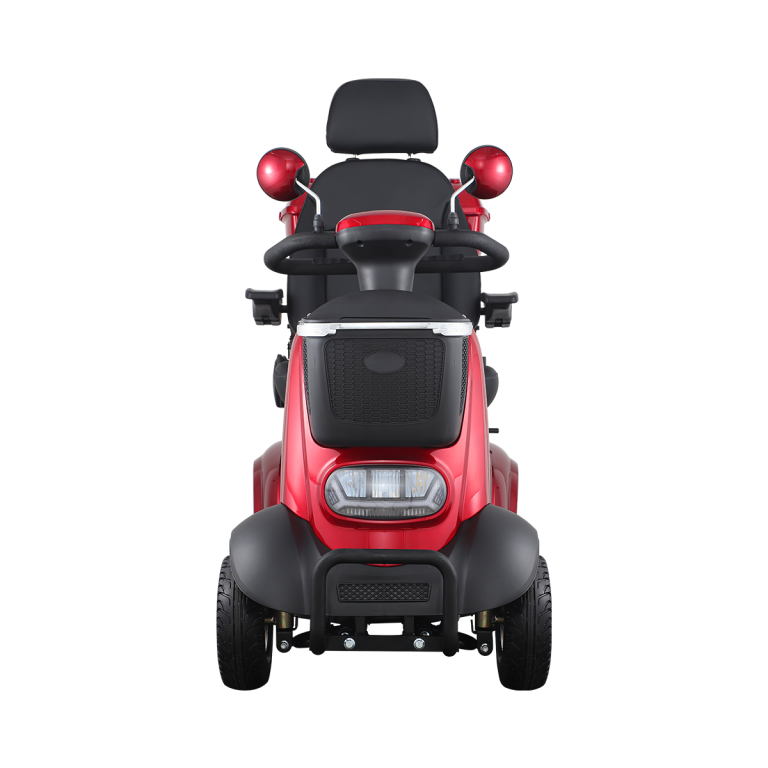
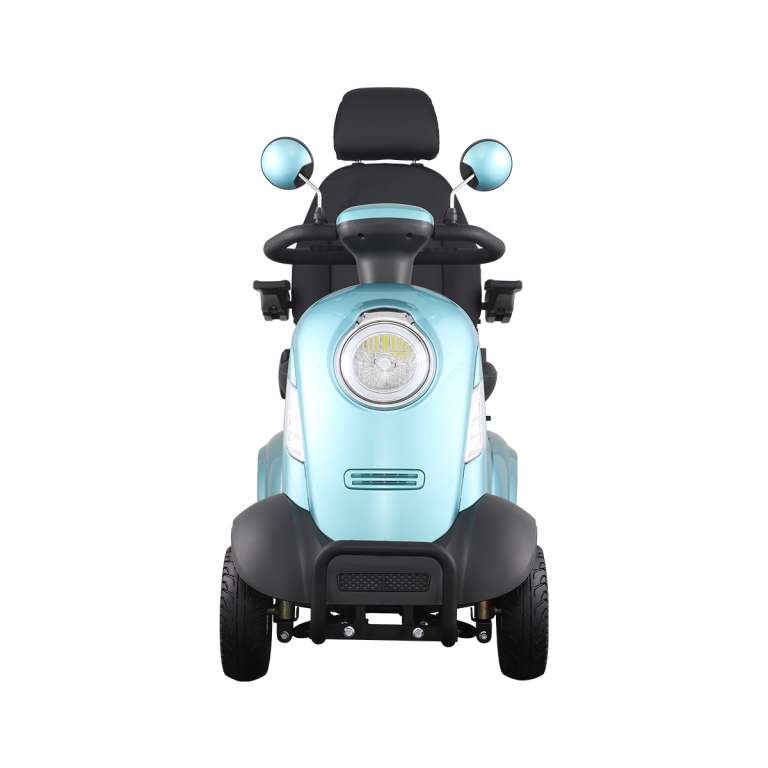
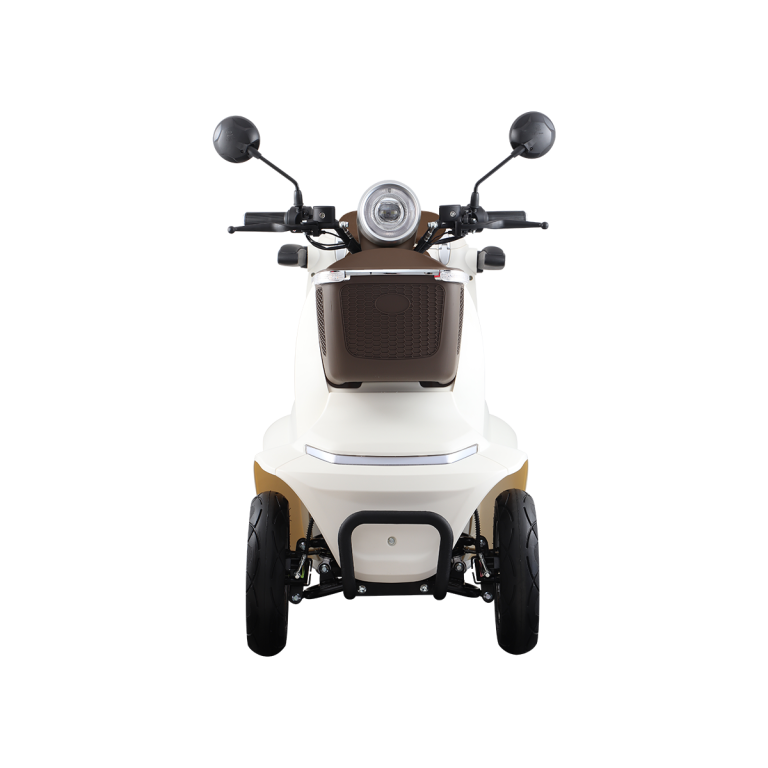
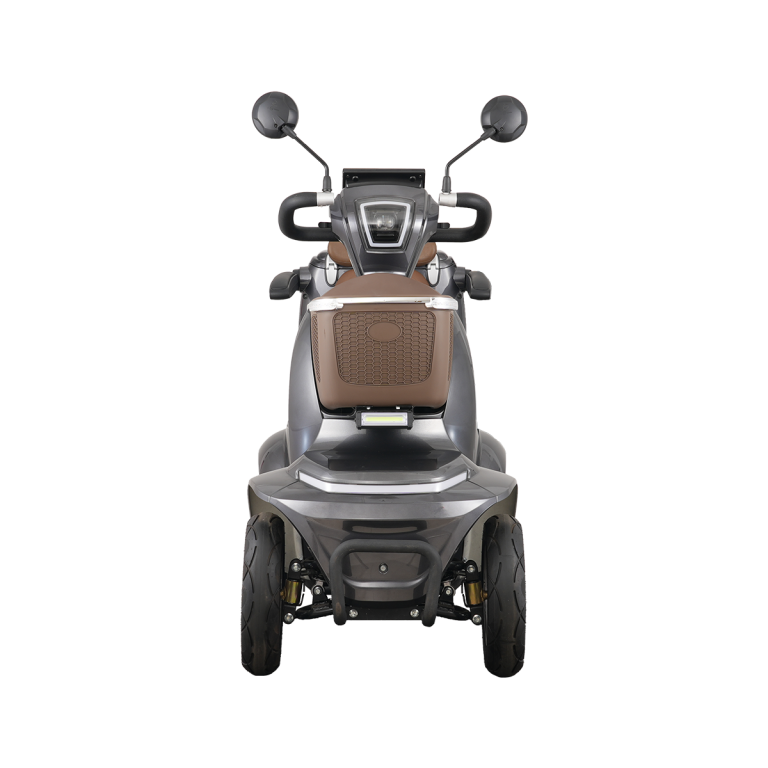
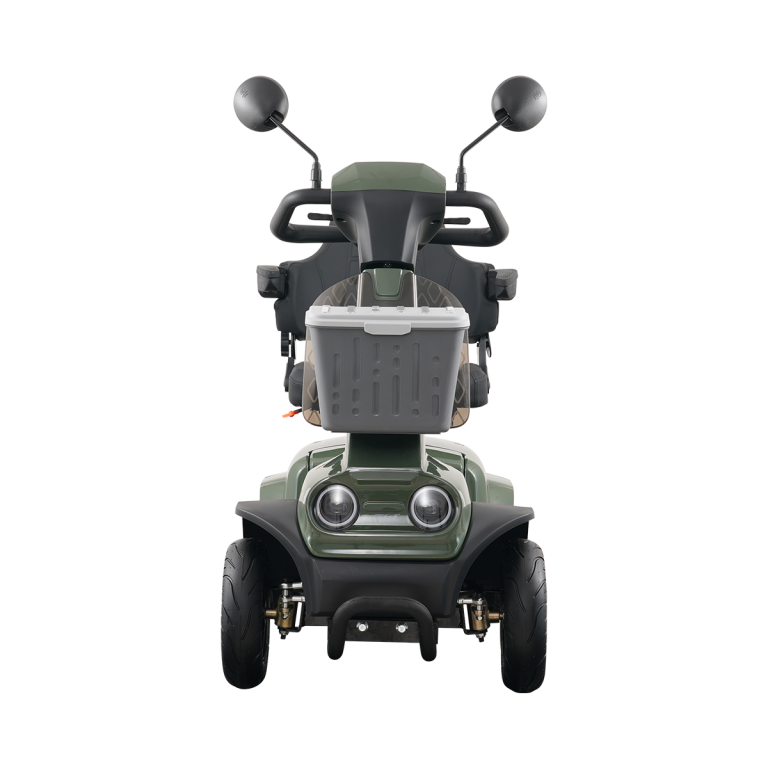
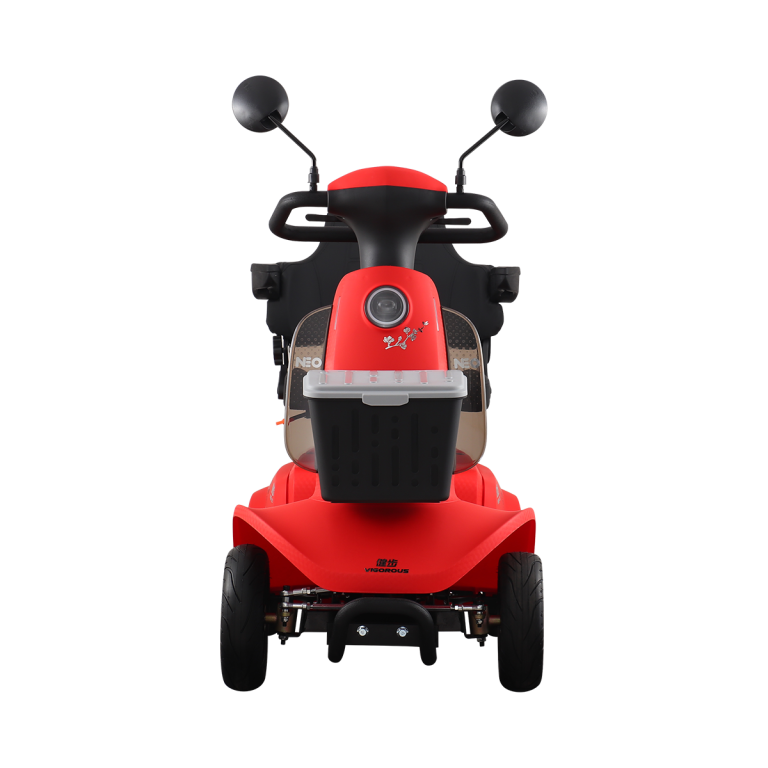
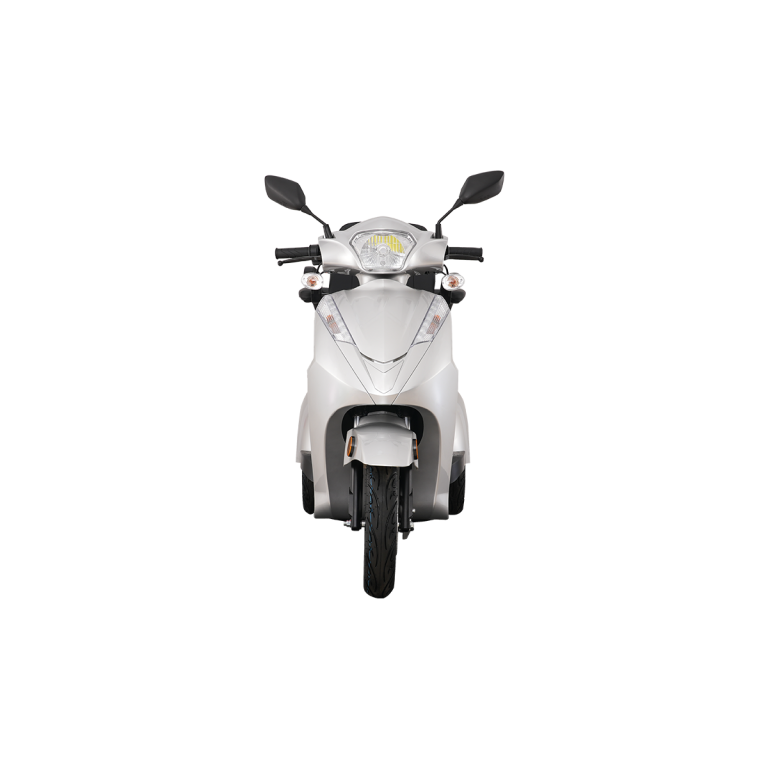
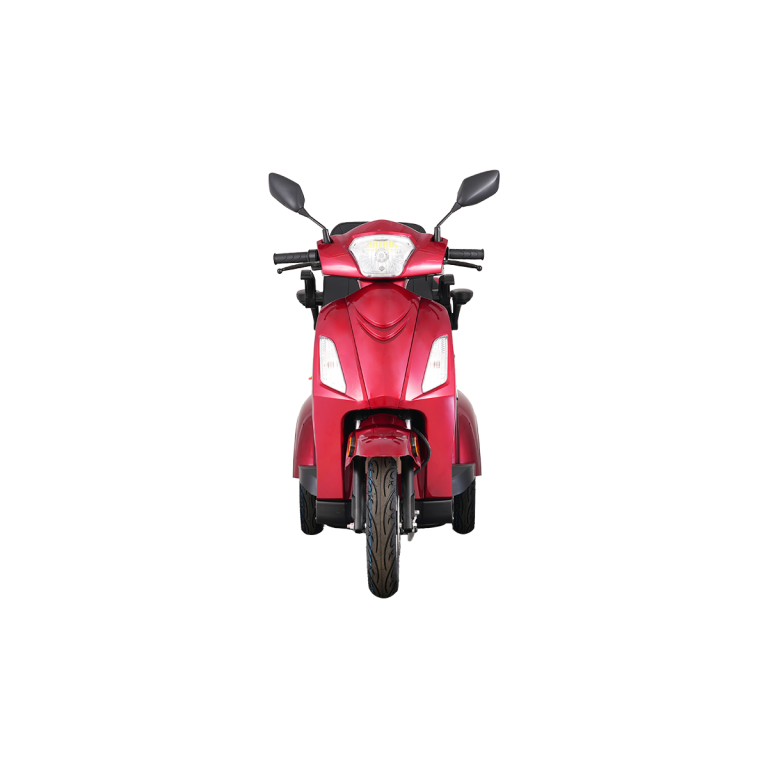
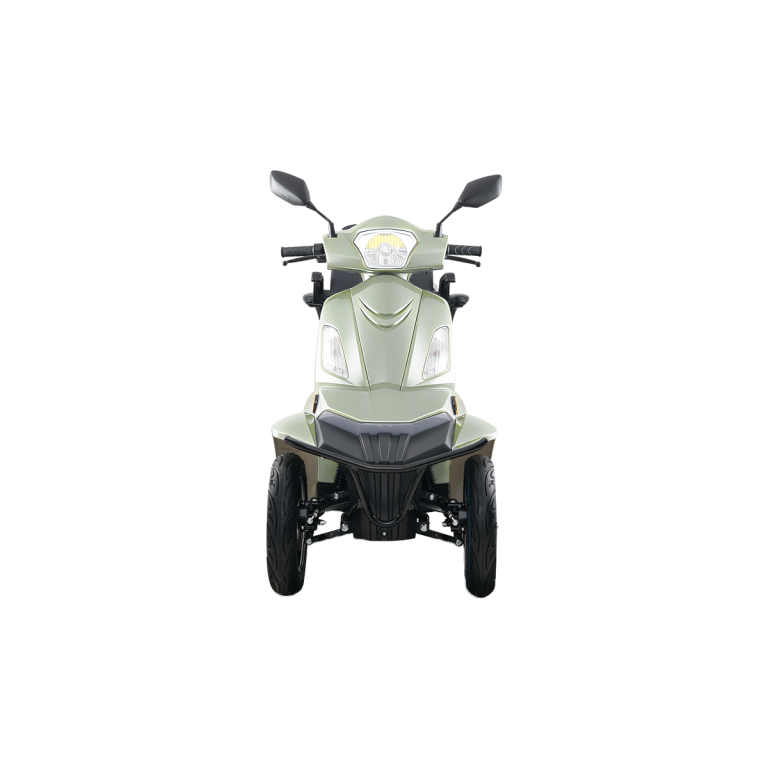
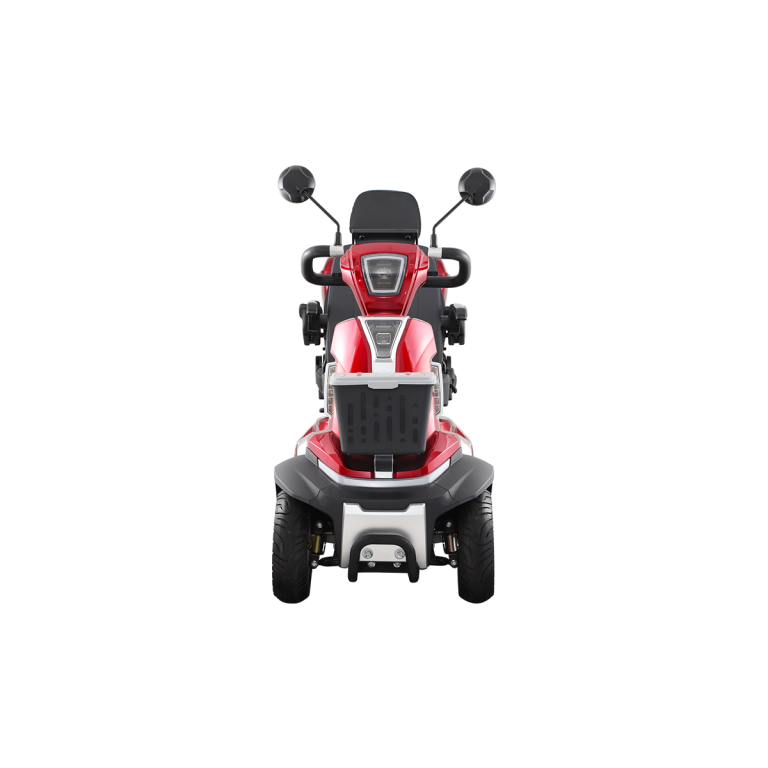
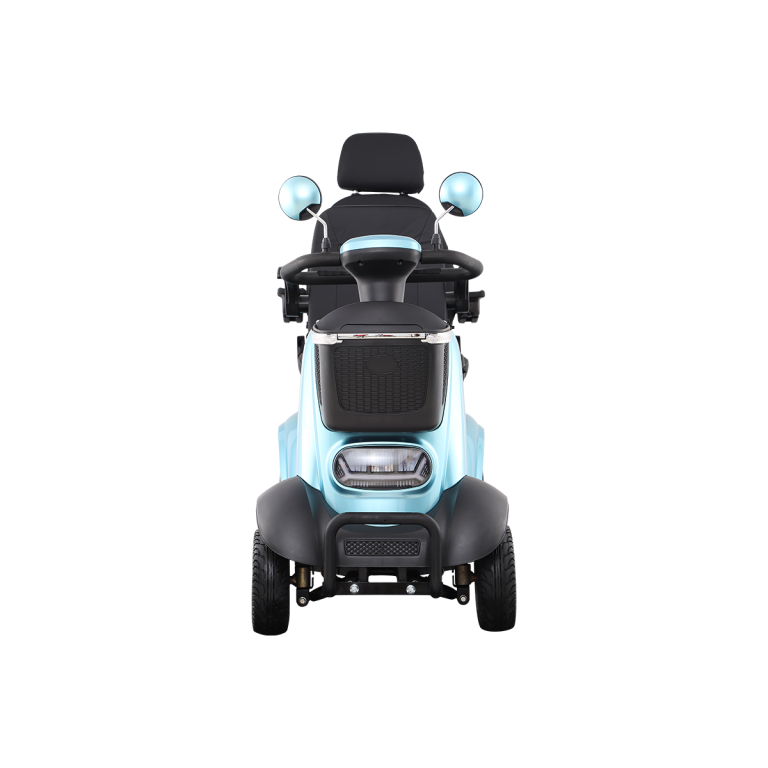
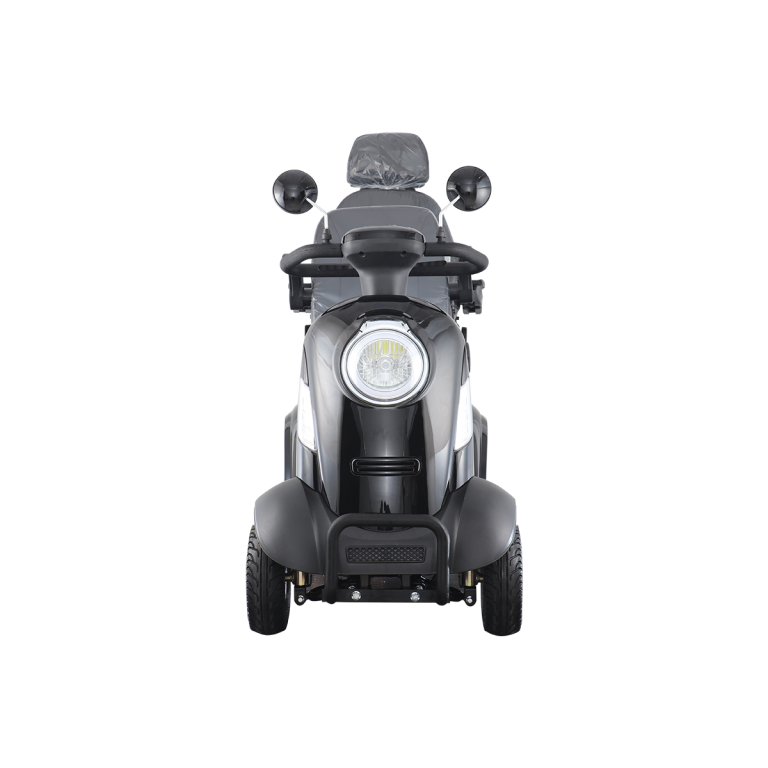
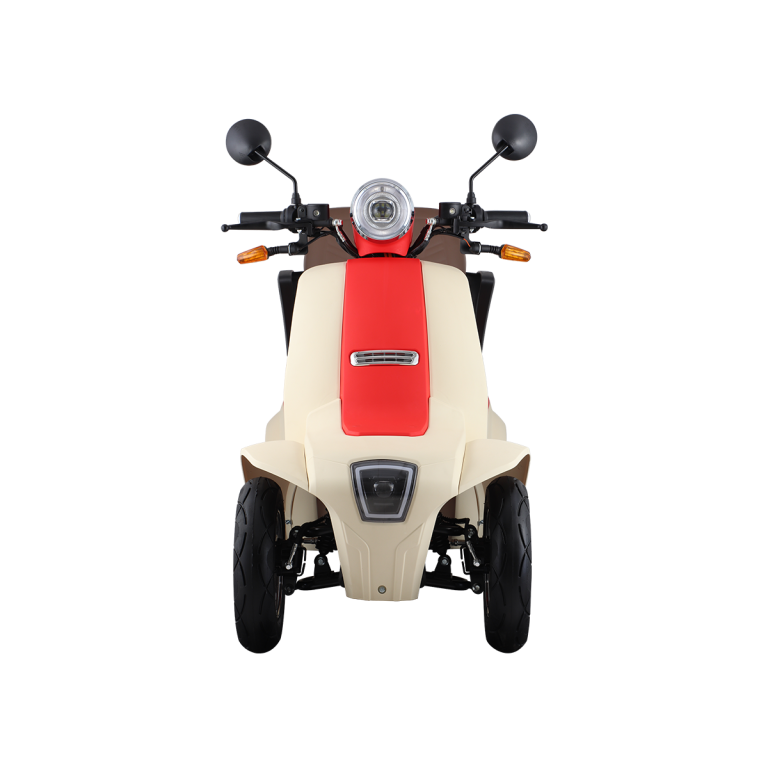
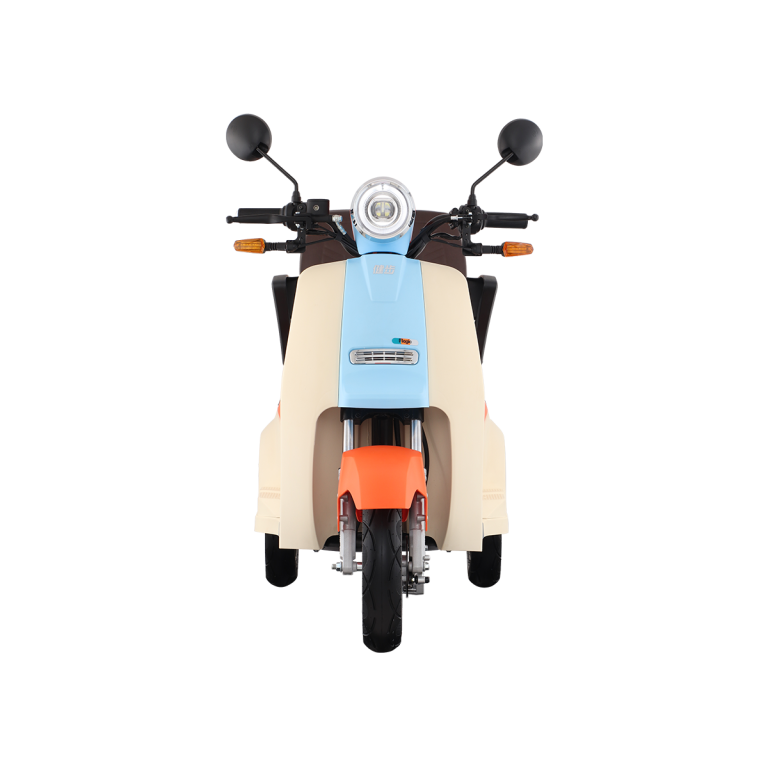
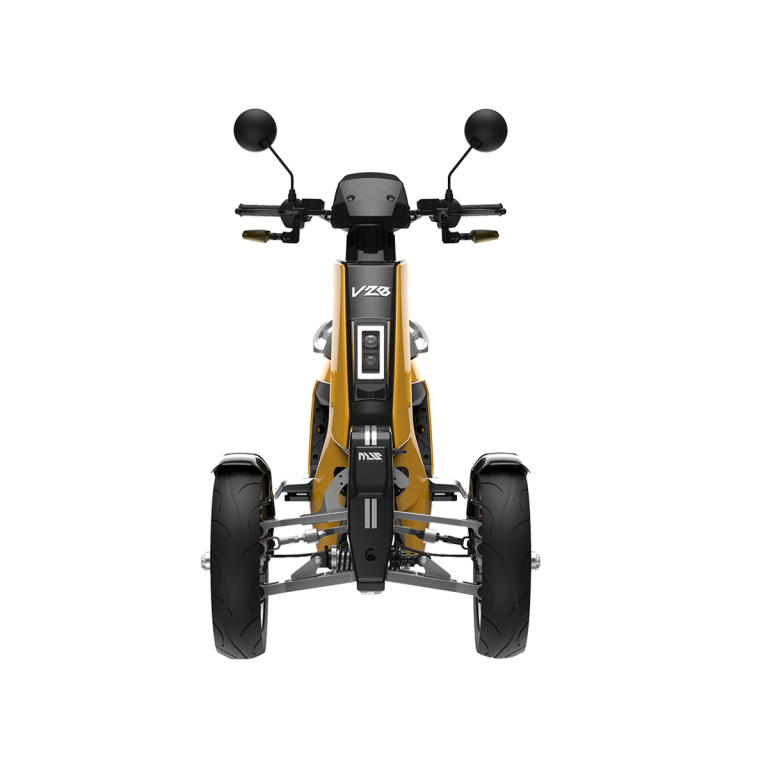
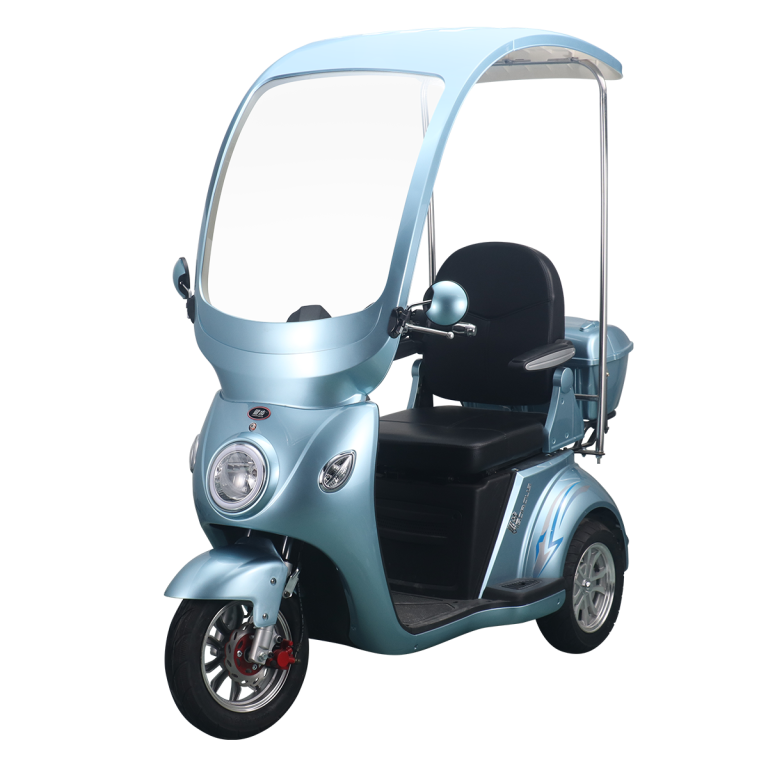
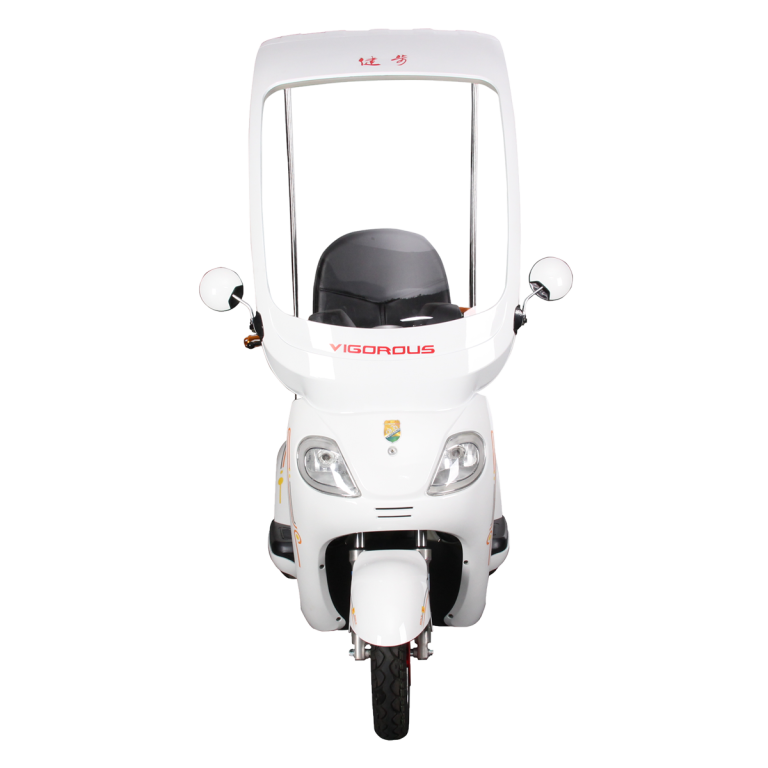
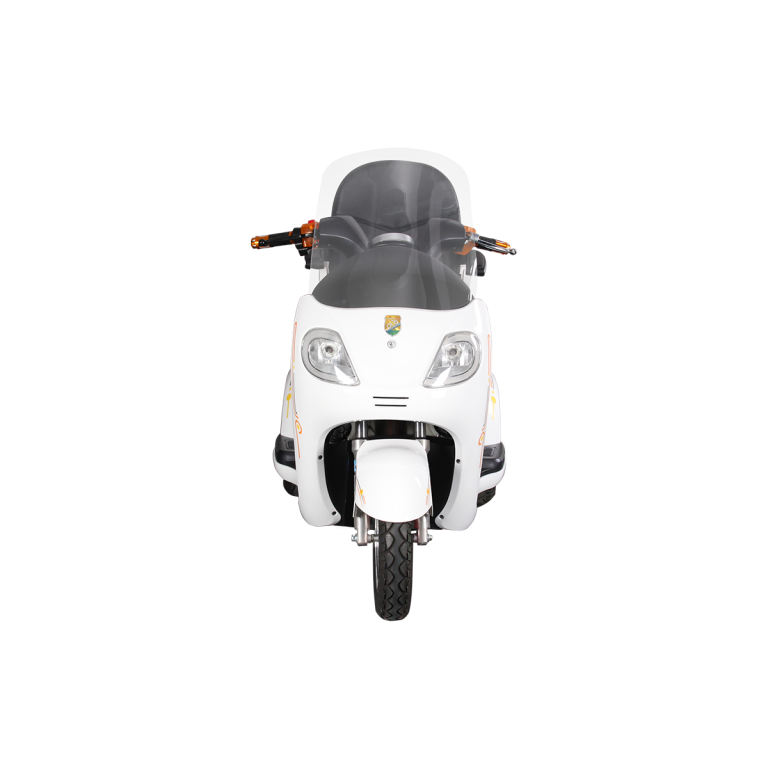
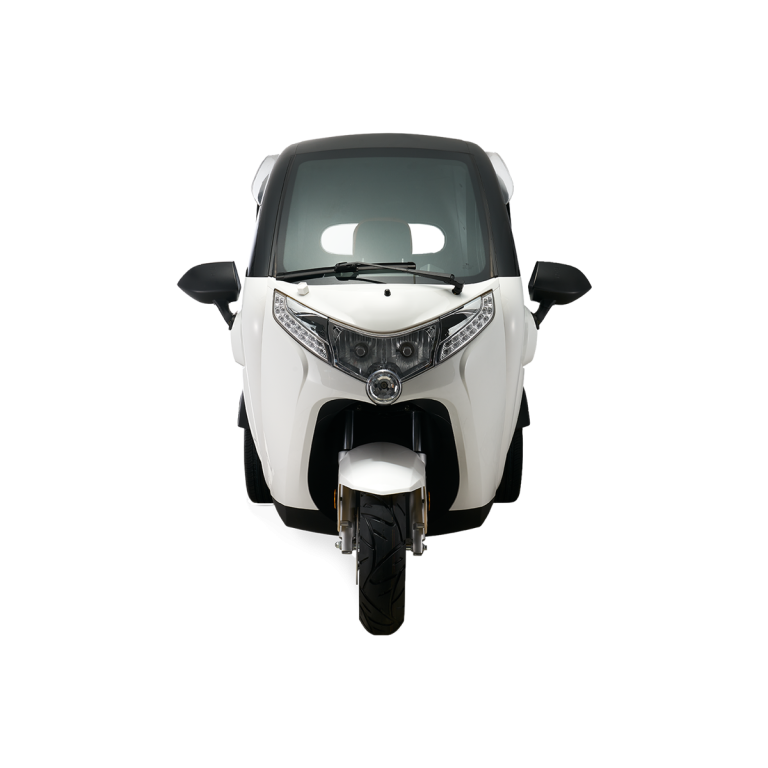
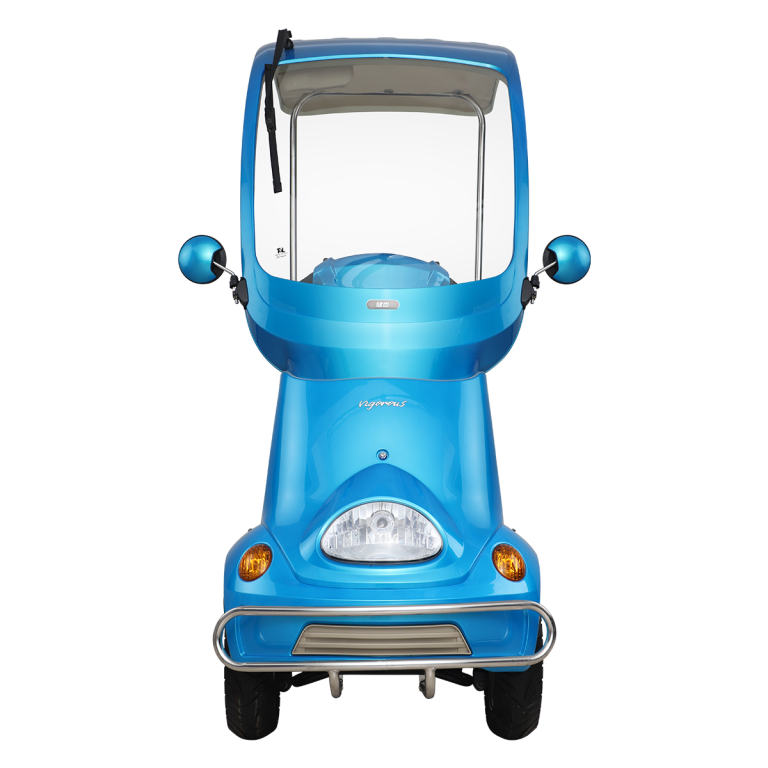
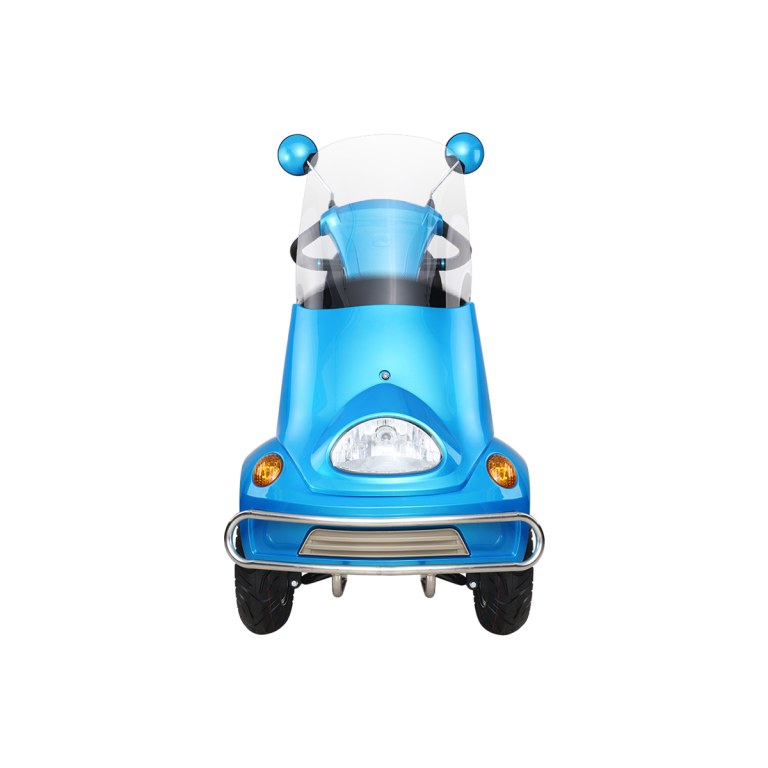
A practical product range should offer meaningful differences between its models. The VIGROUS Vista series provides examples of how different products can serve different positions.
| Product tier | Representative model | Product positioning | Role in the range |
|---|---|---|---|
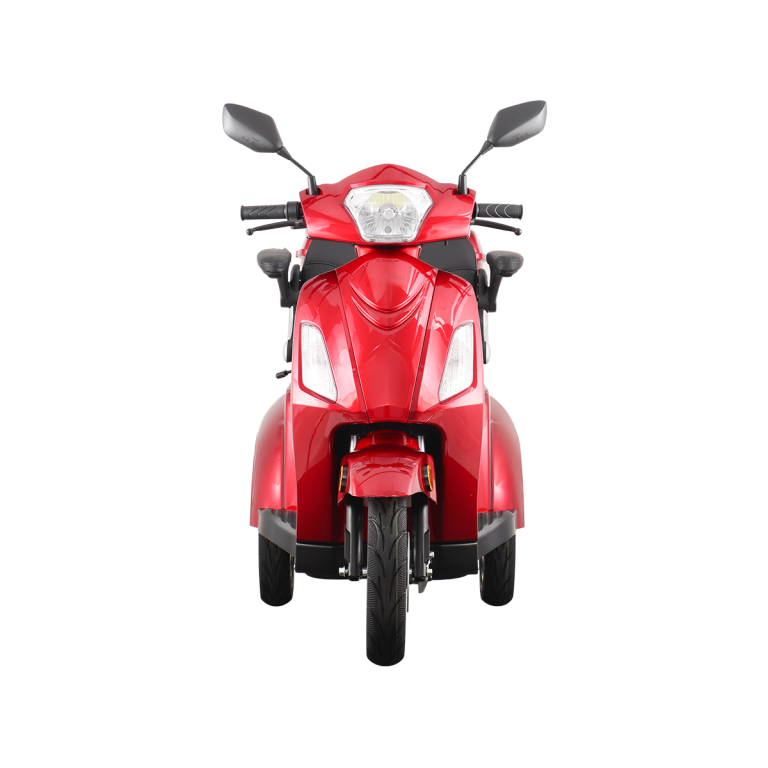
| Entry / Value | Vista-1 | Classic three-wheel configuration with cost-effective positioning | Offer an accessible product option |
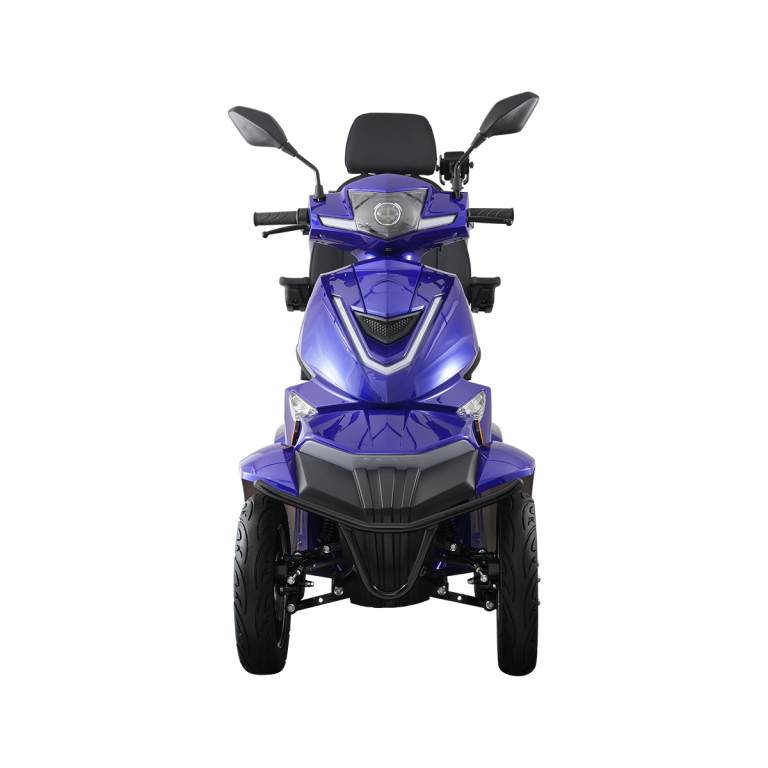
| Core / Mainstream | Vista Quater-3 | Mainstream four-wheel configuration | Cover the core product segment |
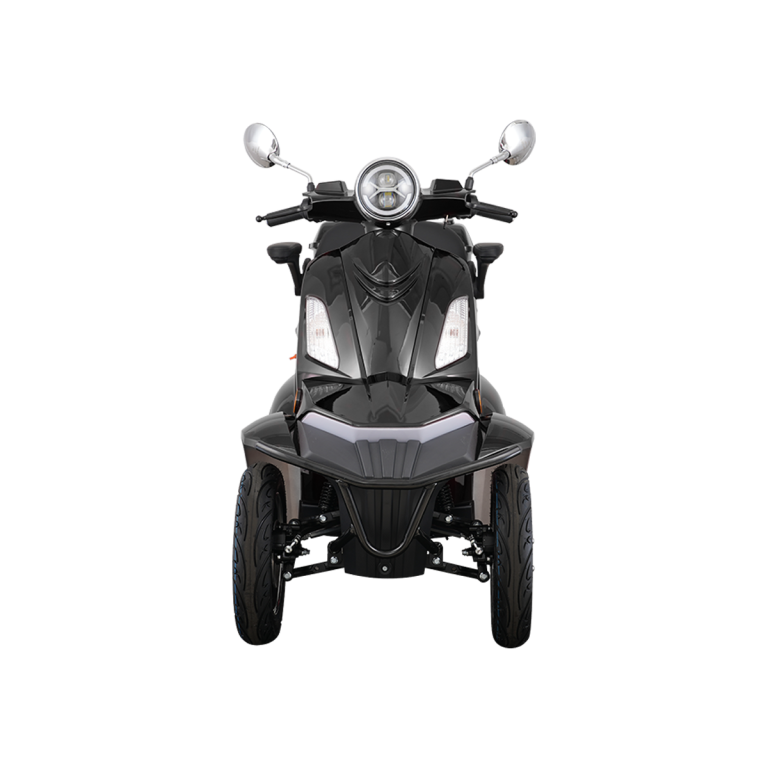
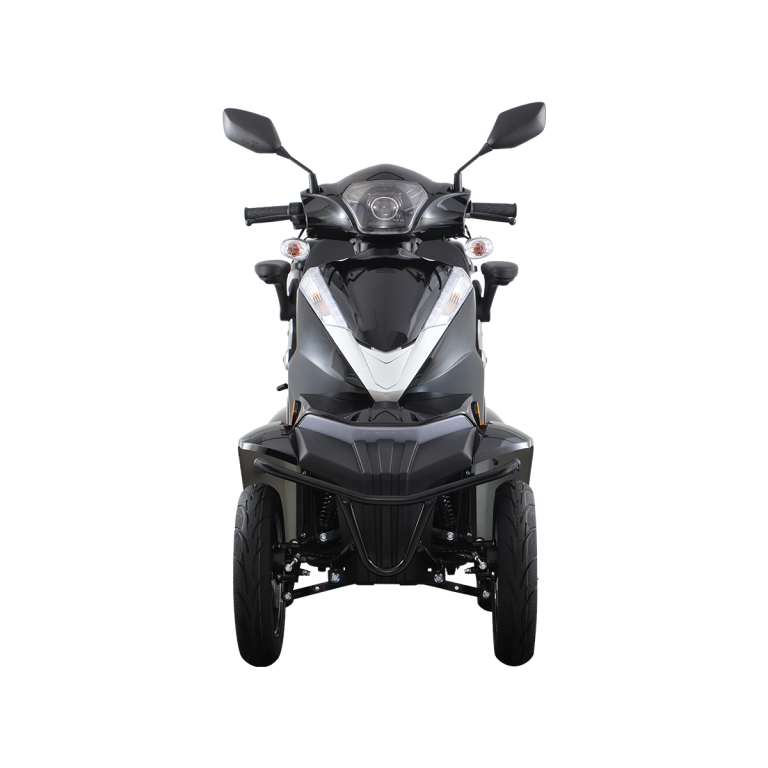
| Premium | Vista-4E / Vista-4H | Higher-end positioning | Expand the range toward premium products |
The exact model mix should reflect the distributor’s existing catalogue and sales strategy. The table illustrates a possible structure rather than a requirement to stock every tier.
Vista-1 is a classic three-wheel electric scooter positioned around value and practicality. Vista-4E and Vista-4H represent a higher-end direction within the VIGROUS range.
For distributors, this distinction creates a starting point for discussing price positioning and product differentiation. Instead of offering several models with nearly identical roles, the catalogue can provide customers with clearer alternatives.
3. Differentiate Models Through Comfort and Durability
Comfort and durability can help distinguish models that otherwise appear similar on a specification sheet.
For four-wheel mobility scooters, relevant factors may include seat design, riding position, available space, suspension, and ease of operation. The importance of each feature depends on the vehicle design and its intended use.
Durability also matters to distributors building a long-term product range. Product construction, component selection, production controls, and testing all contribute to the overall assessment of quality.
At VIGROUS, manufacturing processes include welding, final assembly, inspection, aging tests, and road tests. These processes form part of the company’s approach to producing mobility vehicles for international markets.
When comparing models, look for differences that can be explained clearly to dealers. A meaningful distinction in design, equipment, or configuration gives each product a stronger role in the catalogue.
4. Preventing SKU Cannibalization: Reduce Product Overlap
Adding another model can create unnecessary complexity if it offers little that existing products do not already provide.
Before introducing a new handicap scooter, review the proposed model against three criteria.
1. Customer and application overlap
Determine whether the new model serves a different customer group or use case. If it targets exactly the same buyers as an existing model, the reason for adding it should be clear.
2. Price and configuration gap
Check whether the model fills a gap in the current range or offers a meaningful difference in configuration. A small specification change may not justify a separate product position.
3. Sales differentiation
Make sure dealers can explain why customers should choose the new model. Differences in vehicle layout, equipment, design, or price positioning may provide a clear selling point when they are relevant to the target buyer.
If a new SKU does not expand customer coverage or provide a meaningful alternative, it may add catalogue complexity without improving the overall range.
5. Match Technical Specifications to Each Product Tier
Technical specifications should support the product’s intended position. Higher numbers do not automatically make a model more suitable for every customer or market.
Motor power
Motor power should be assessed alongside vehicle size, design, intended use, and other specifications. For example, VIGROUS offers the 500W Spirite-3 and the 1000W Spirite-L1. These models illustrate different power configurations, but motor wattage alone does not determine whether a product belongs in an entry-level or premium tier.
Battery and riding range
Battery configuration and expected riding range influence how a model is positioned. Buyers should compare these specifications with the intended use and overall product design rather than selecting the largest available battery by default.
Speed and vehicle configuration
Maximum speed, wheel layout, seating arrangement, and vehicle dimensions can also distinguish products. The appropriate combination depends on the intended application and the requirements of the destination market.
For B2B buyers, the goal is to build a range with specifications that support clear product positions. Each model should offer a suitable combination of features rather than trying to lead every specification category.
6. Use OEM/ODM to Develop a Distinct Product Range
Importers, wholesalers, and distributors may want products that align more closely with their own brand positioning or sales strategy. OEM and ODM cooperation can be relevant when standard models do not fully meet those plans.
OEM projects generally involve manufacturing according to agreed specifications or designs. ODM projects may allow buyers to select or adapt manufacturer-developed designs, depending on the available options.
Possible project discussions may cover branding, appearance, configuration, and selected components. The actual scope depends on the model, technical feasibility, and agreed project terms.
VIGROUS offers OEM and ODM capabilities for business customers. Before starting a project, buyers should identify what their existing range lacks and which product differences would matter to their customers.
A clear product plan also makes discussions with the manufacturer more focused. It helps both sides establish the intended market position before confirming the available customization options.
Planning Your Own Mobility Scooter Range?
VIGROUS works with importers, wholesalers, and distributors on mobility scooter product selection and OEM/ODM projects.
Discuss your preferred configurations, target price positions, and product differentiation goals with our team to explore suitable options for your business.
7. Confirm Certification Before Finalizing the Range
Certification and documentation should be considered before a model is added to the product range.
Requirements vary by country, product category, and intended use. Documentation applicable to one model may not satisfy the requirements for another product or destination market.
Before placing an order, confirm which requirements apply to the specific model and whether the relevant documentation is available.
VIGROUS works with international requirements involving certifications such as CE, EEC, and MDR, depending on the applicable product and market. Buyers should discuss their intended market and application with the manufacturer before finalizing their selection.
This step helps align product planning with market-entry requirements before the order is confirmed.
Final Thoughts
A well-planned handicap scooter range gives each model a clear purpose. Entry-level products can cover price-conscious buyers, core models can serve the main product segment, and premium options can expand the range toward higher-end customers.
The most useful approach is to identify gaps in the existing catalogue before adding new products. Compare price positions, configurations, specifications, and meaningful differences between models.
For importers, wholesalers, and distributors, the objective is not to build the largest possible catalogue. It is to build a product range that gives dealers clear choices and supports the business’s long-term sales strategy.