






Mobility Scooter Tire Wear: A Troubleshooting Guide for Distributors
Uneven tire wear is a common after-sales concern for mobility scooter wholesalers, importers, and distributors. Customers may report excessive tread wear, uneven tire surfaces, or a scooter that pulls to one side.
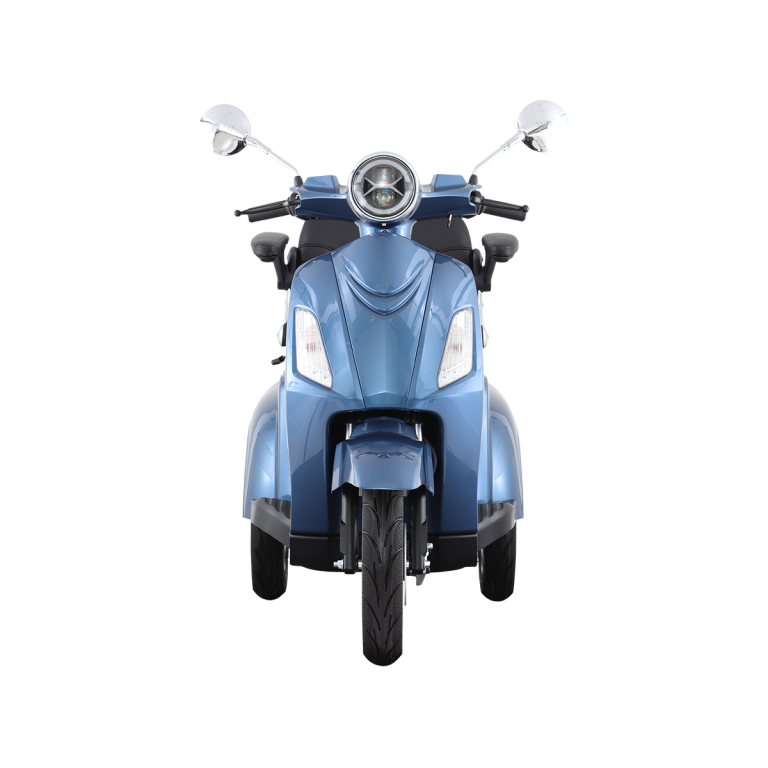
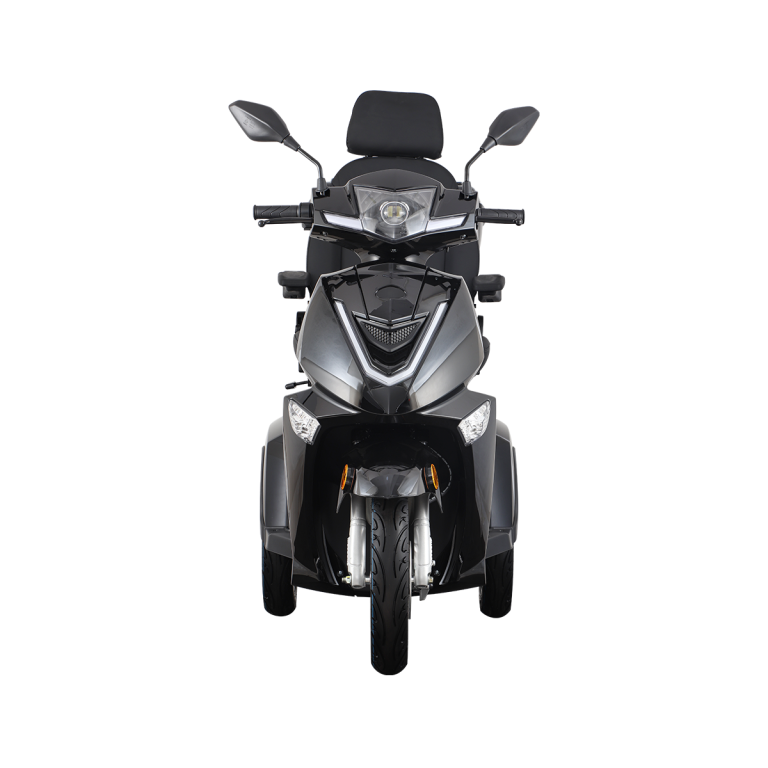
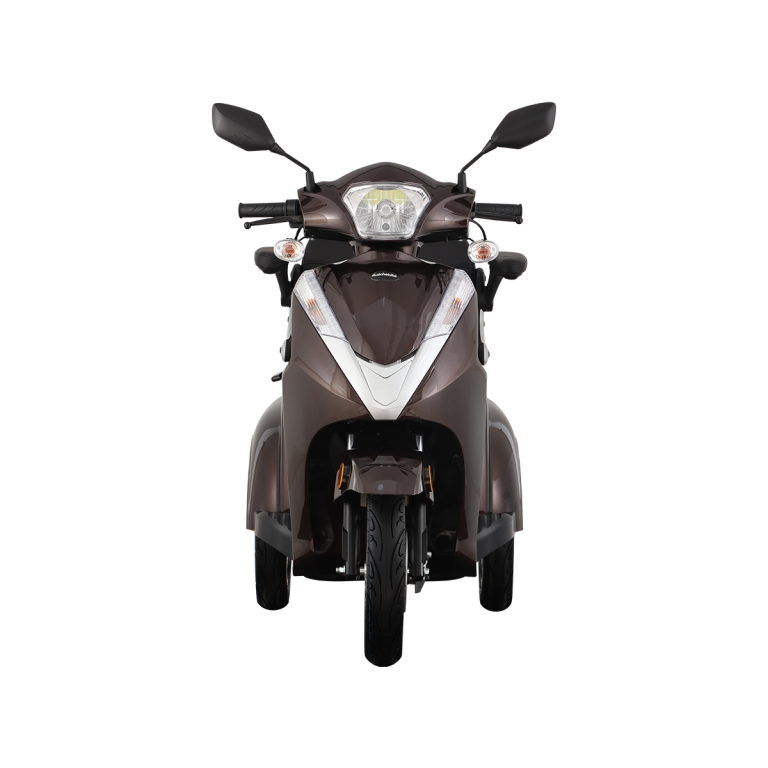
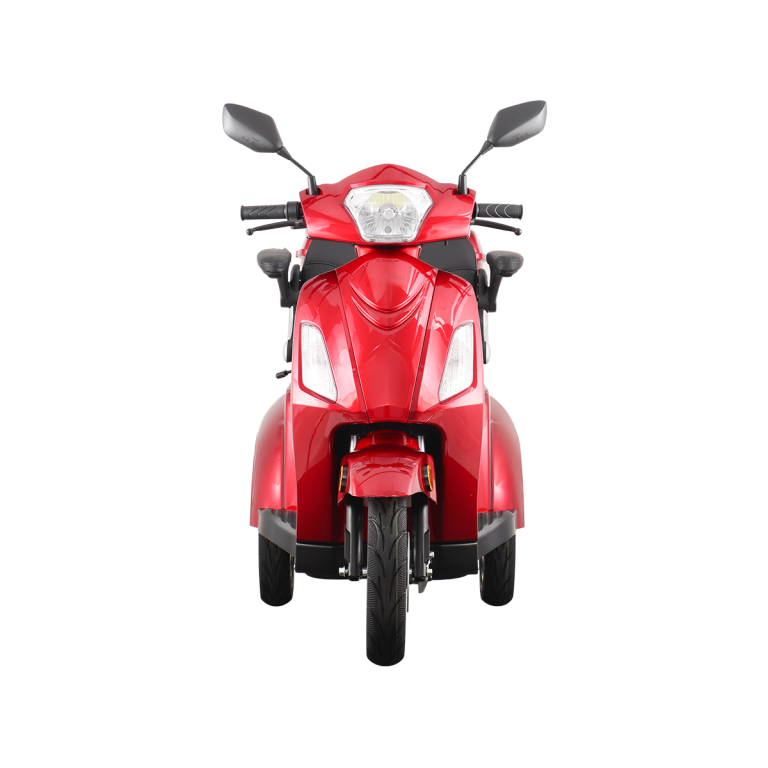
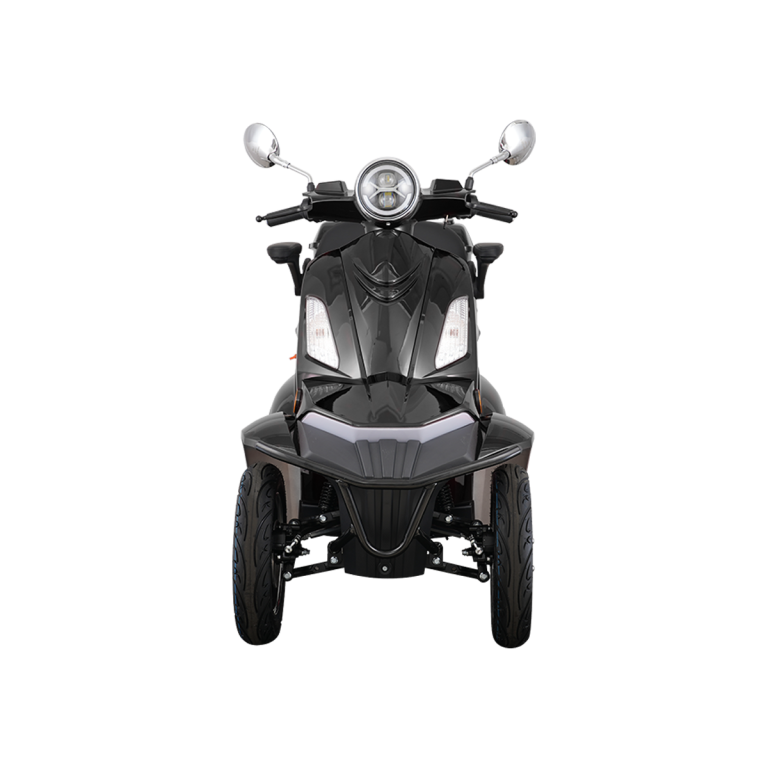
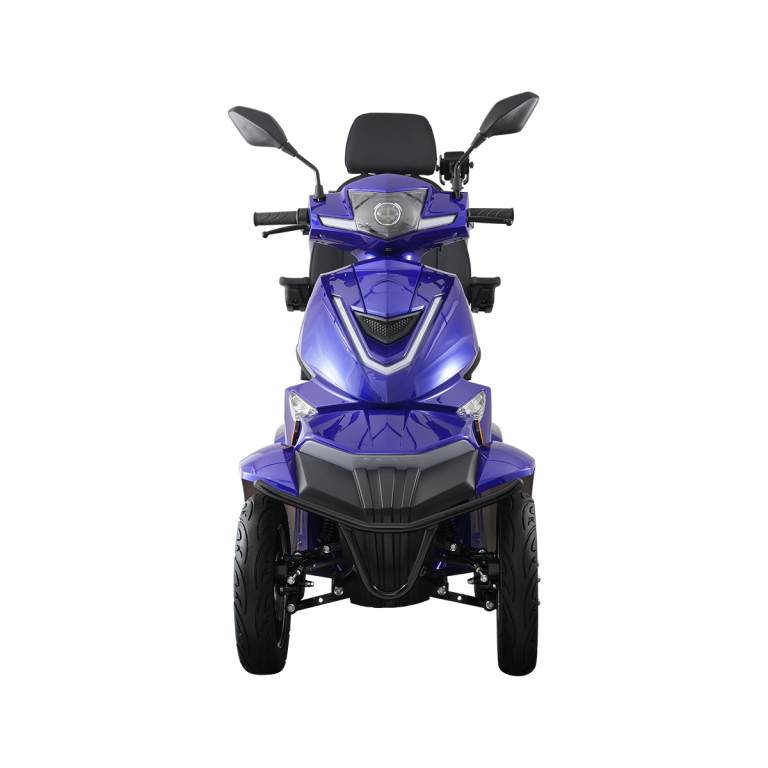
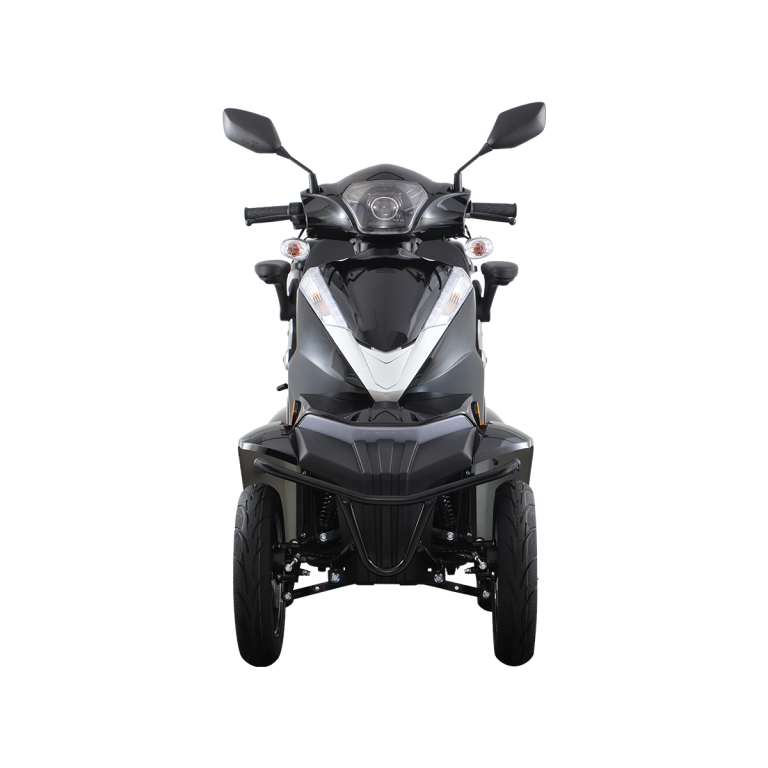
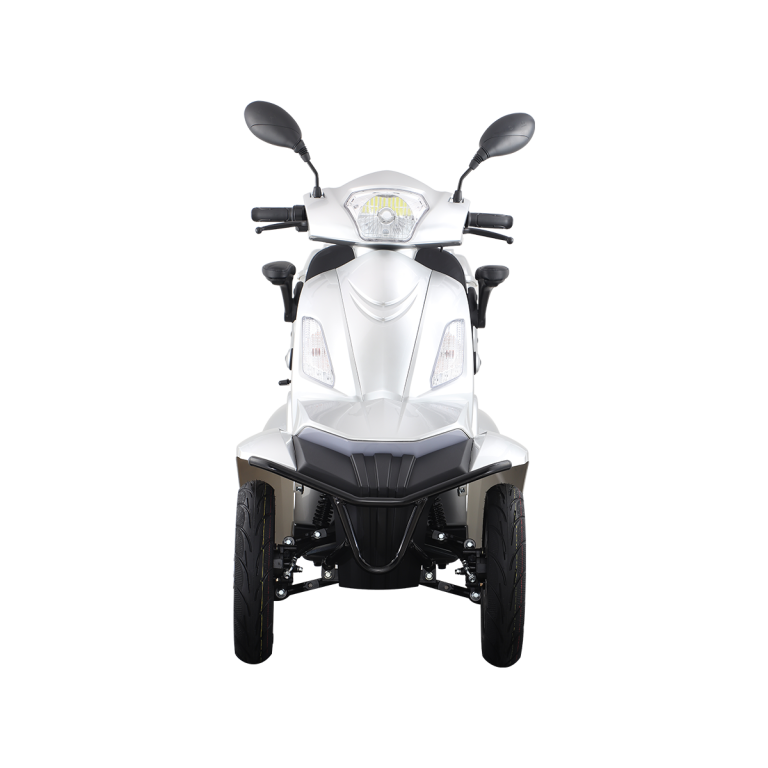
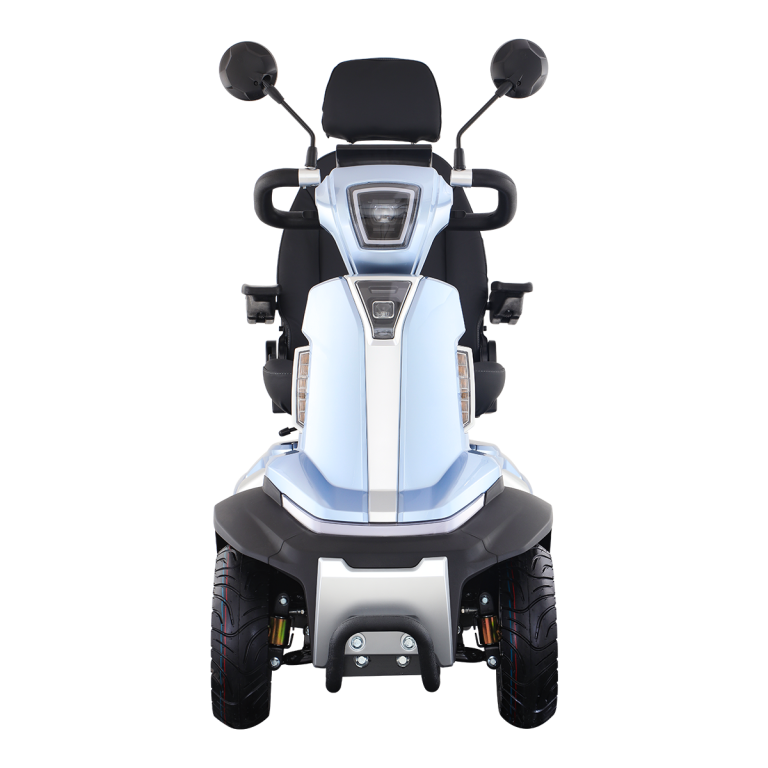
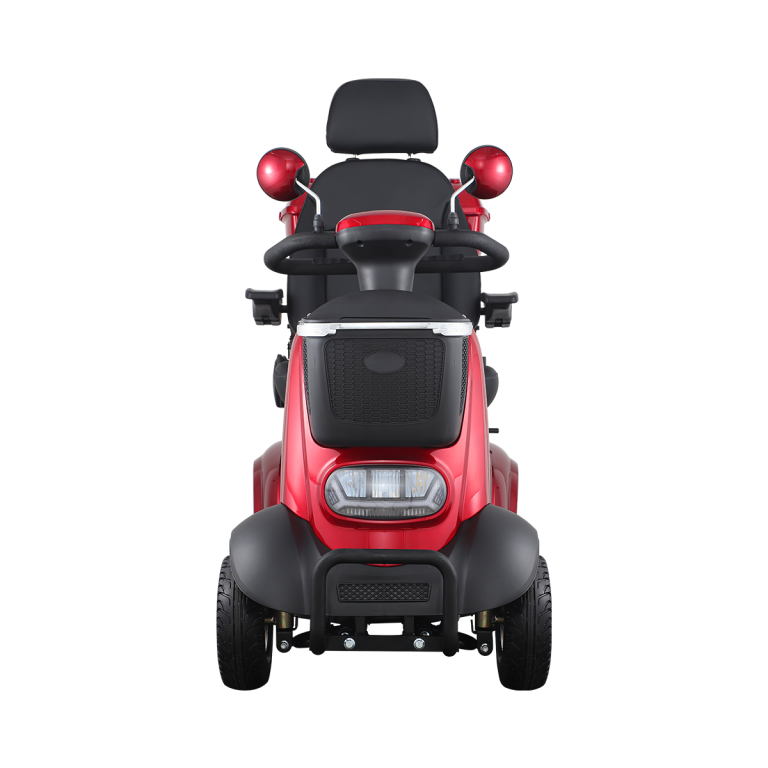
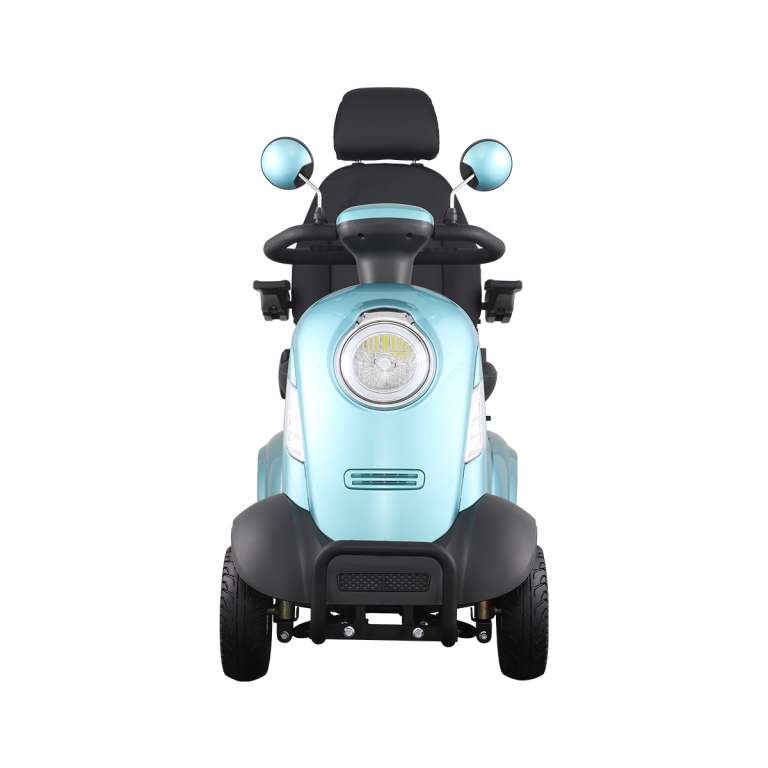
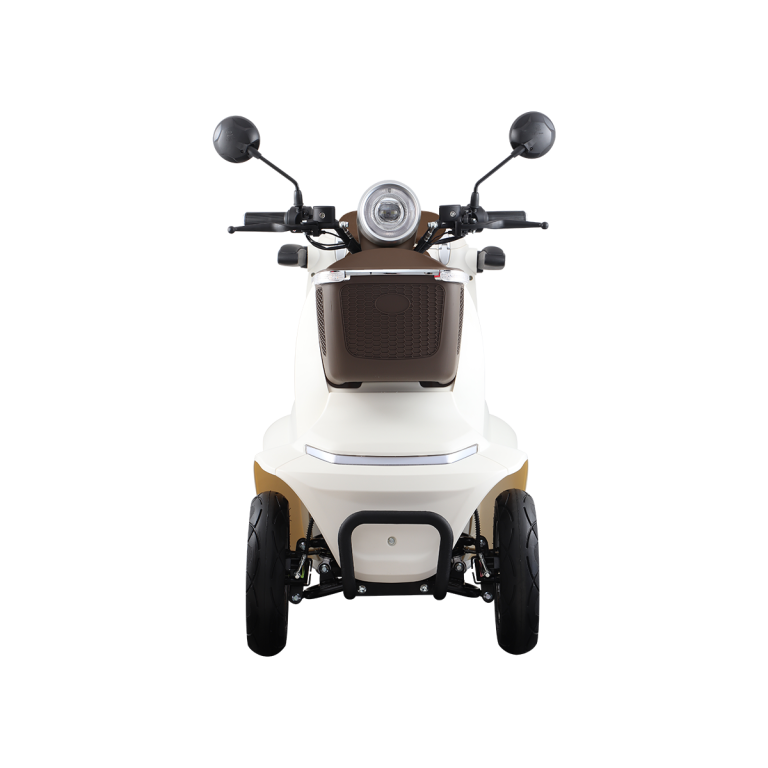
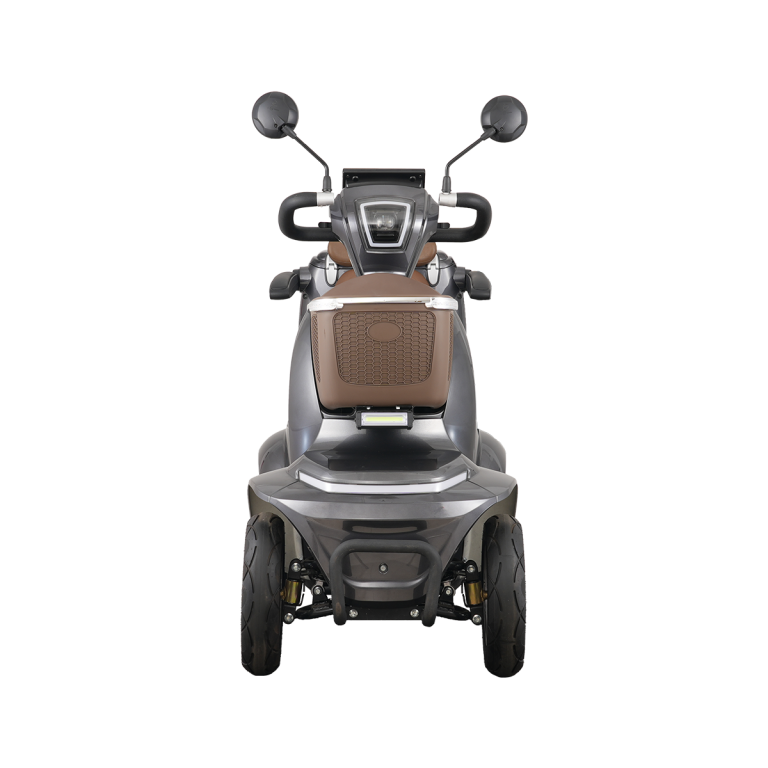
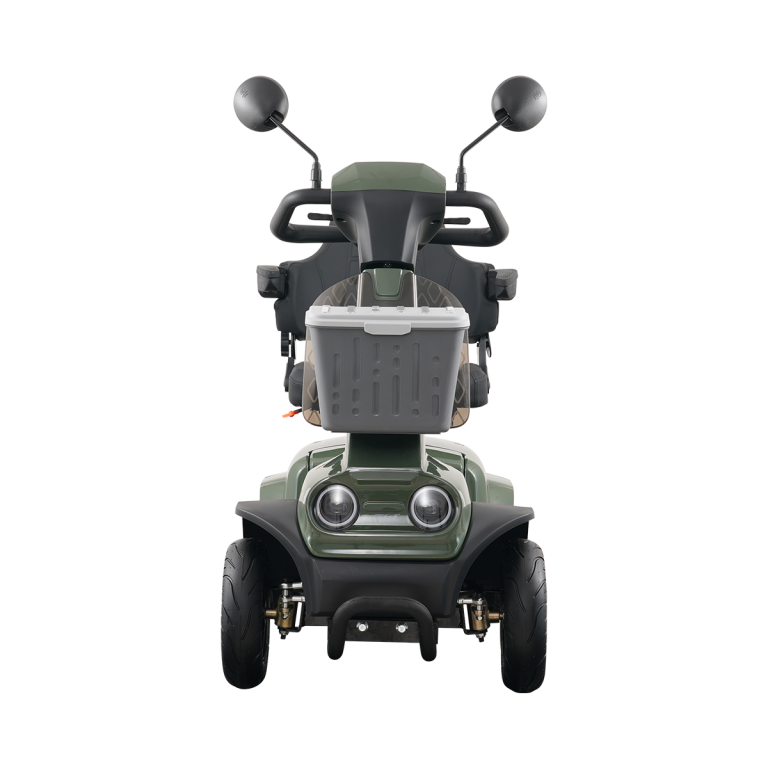
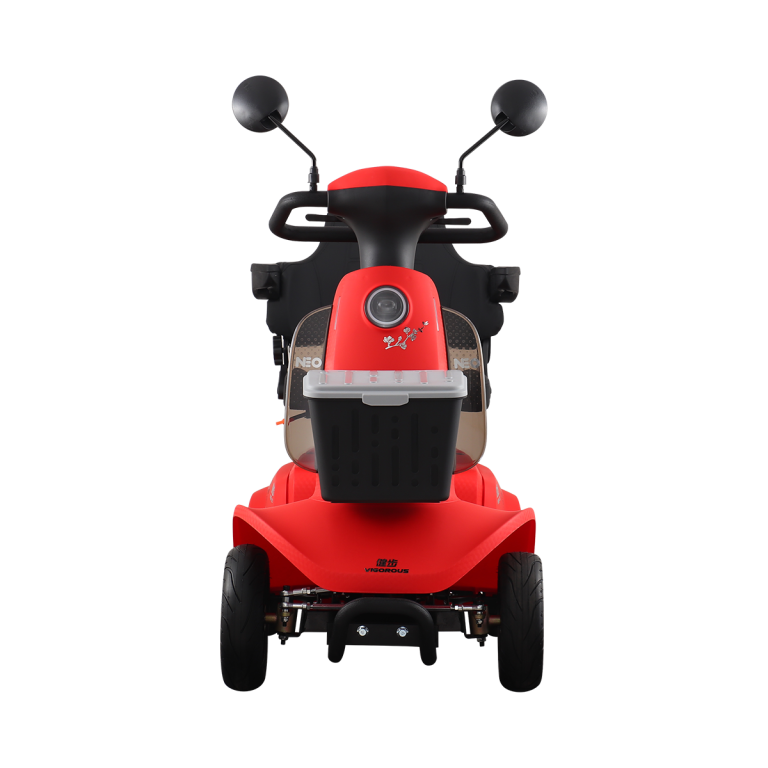
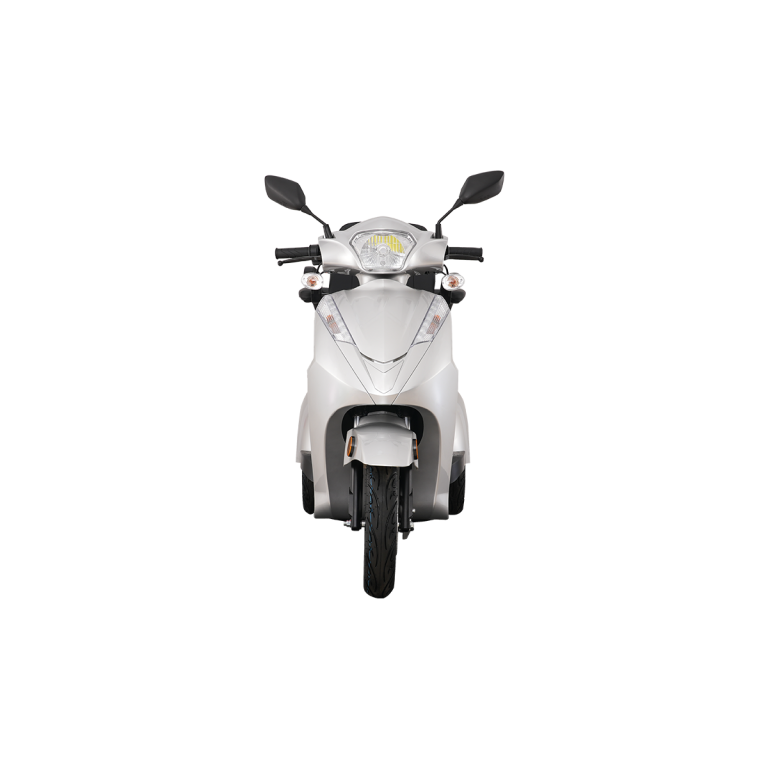
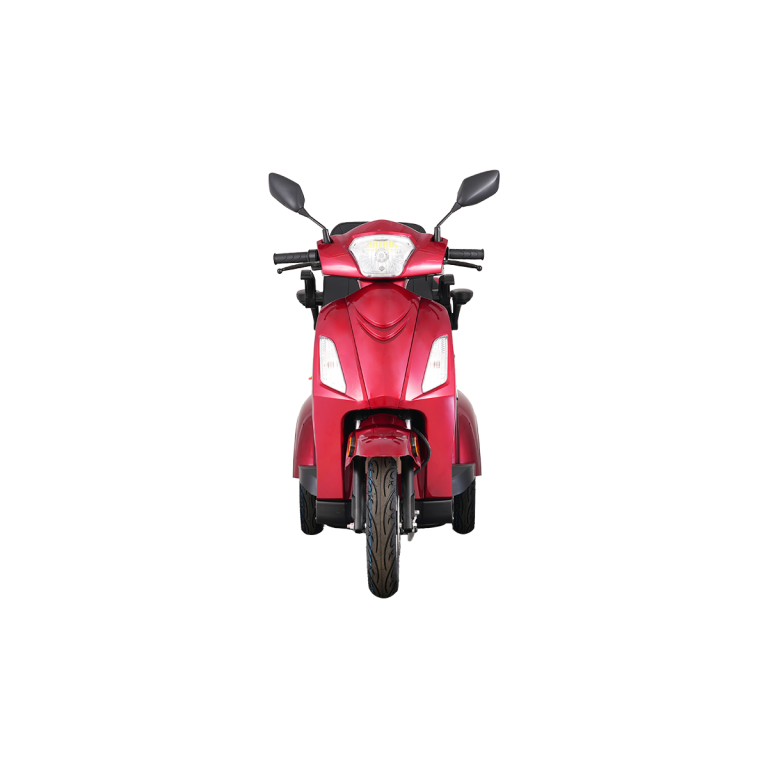
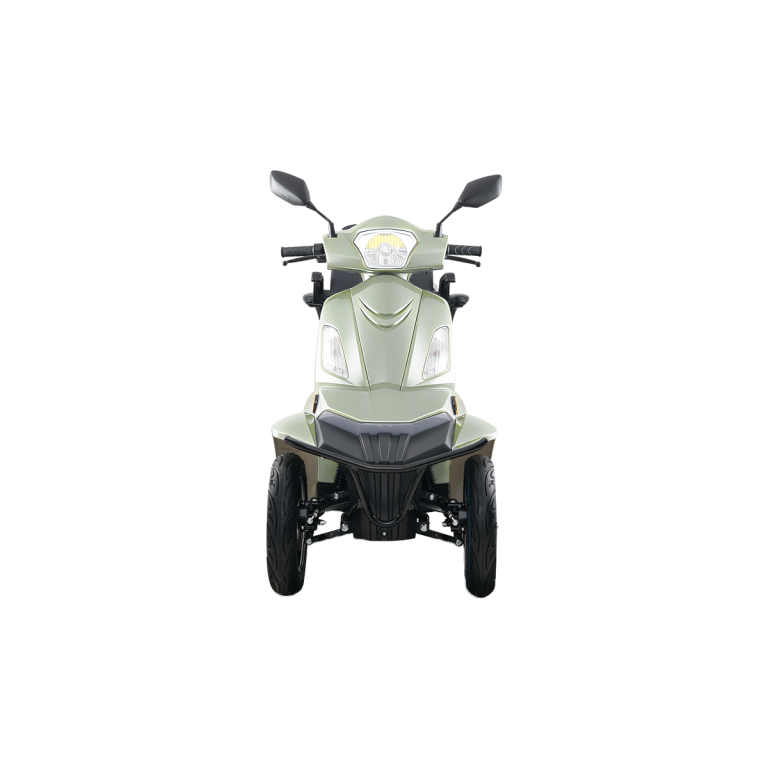
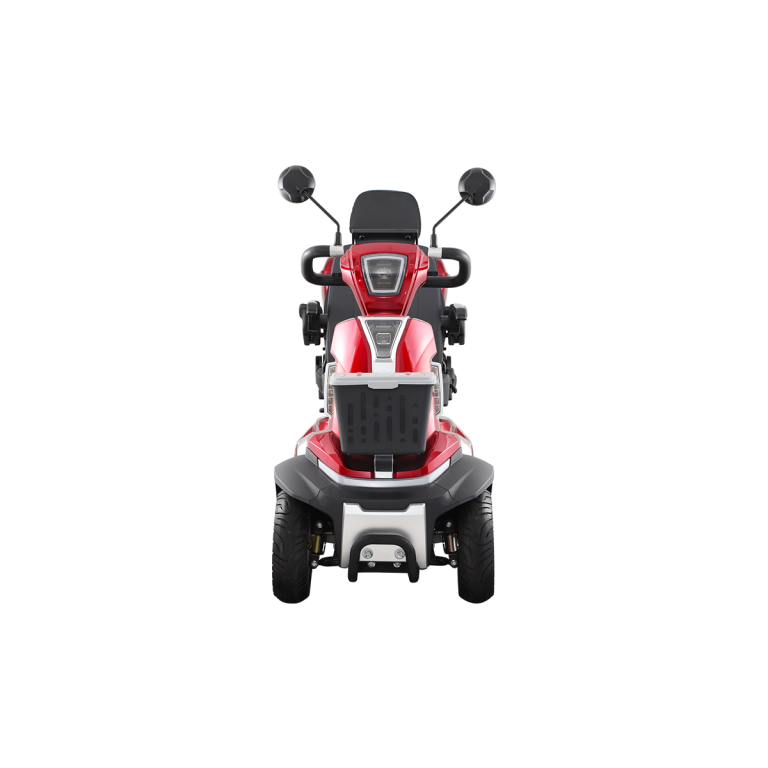
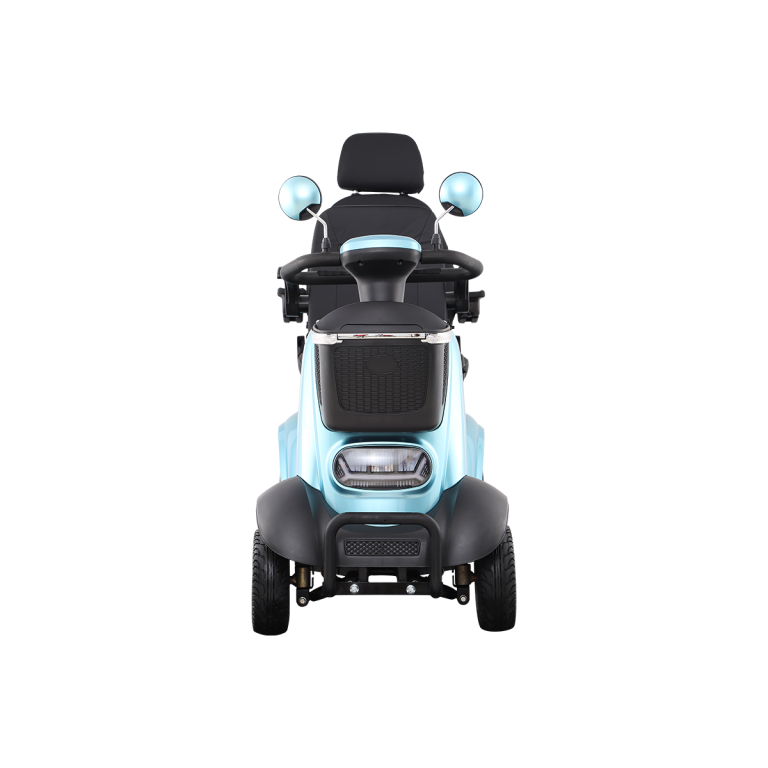
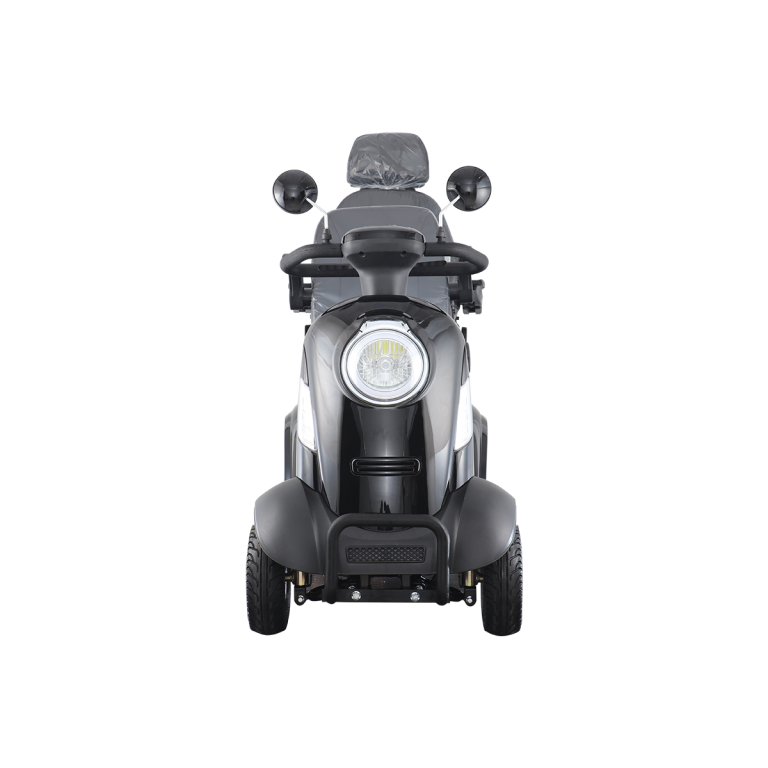
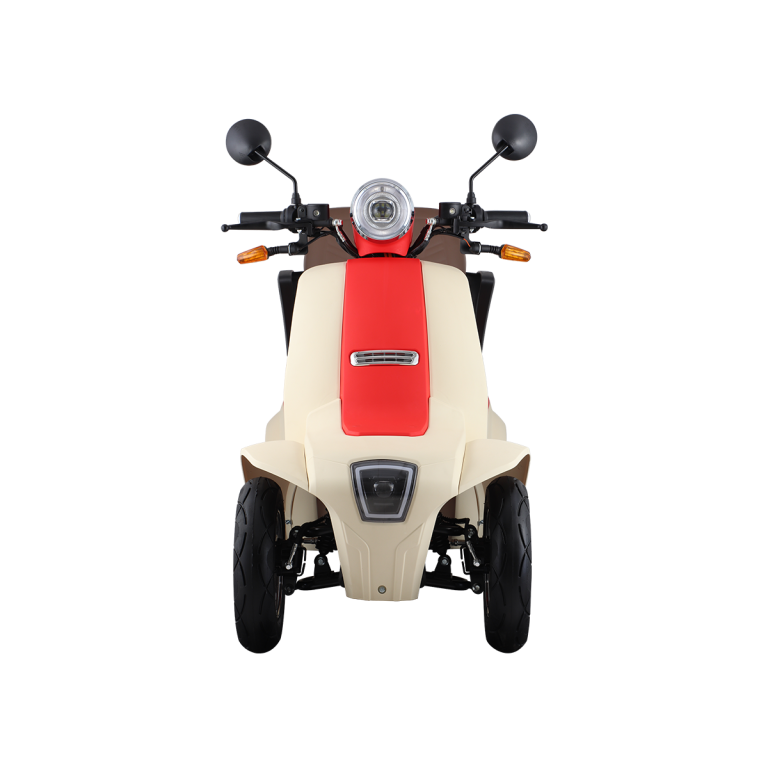
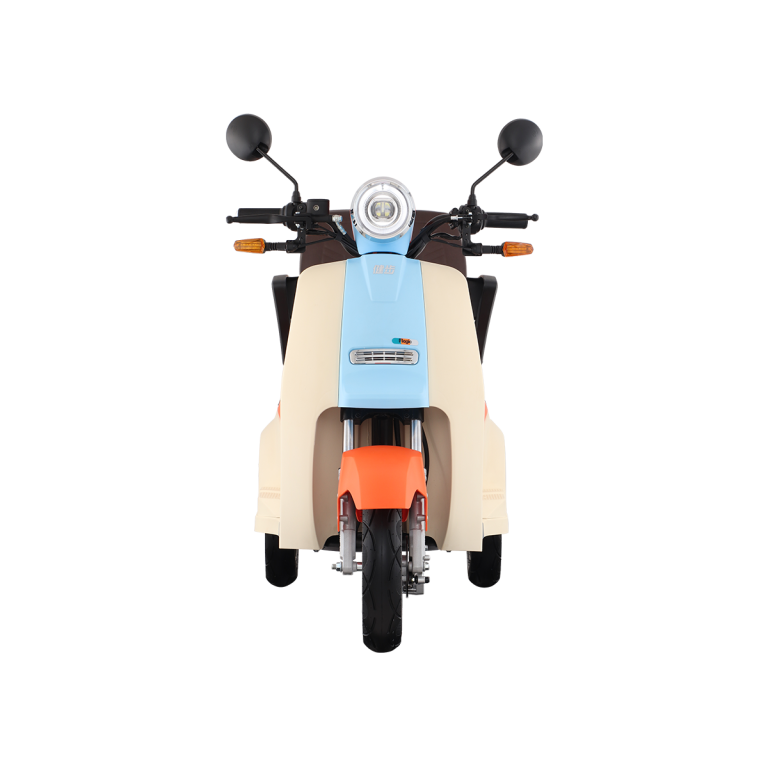
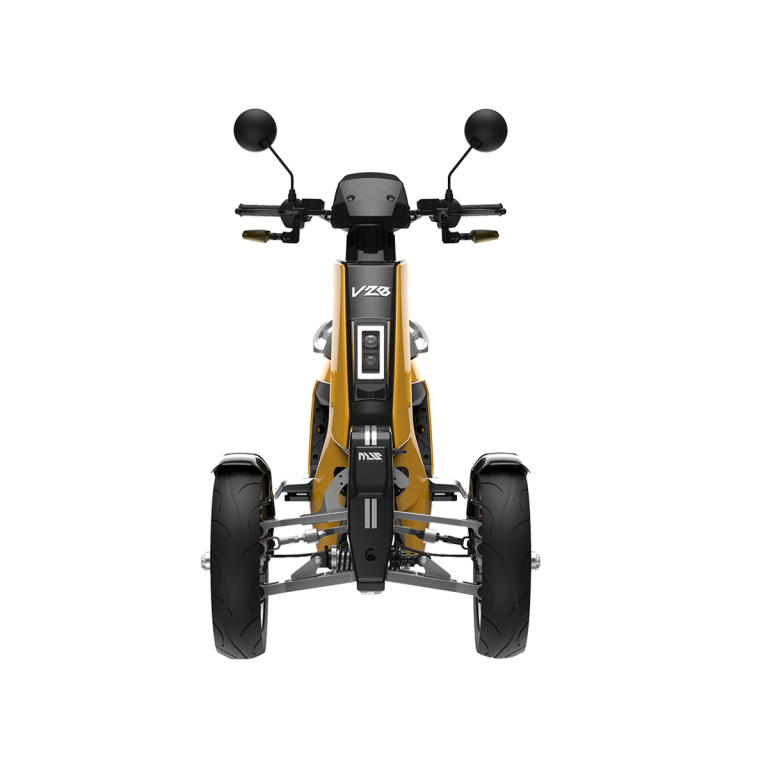
For businesses supplying 3-wheel and 4-wheel mobility scooters, identifying the wear pattern is the first step toward resolving the issue. Most models covered in this guide use tubeless vacuum tires, making it important to check tire condition, specified pressure, wheel alignment, installation, and operating conditions.
For distributors managing an electric scooter handicap product range, a structured troubleshooting process can also simplify warranty inquiries and spare-parts management.
VIGROUS supports its business partners with technical guidance, troubleshooting assistance, repair documentation or videos, and warranty-related support. This guide explains how to identify common tire-wear problems and prepare an effective after-sales report.

1. Mobility Scooter Tire Wear Diagnostic Chart
Use this chart to identify possible causes and determine the first step in an investigation.
| Wear pattern | Possible causes | First action |
|---|---|---|
| One side wears faster | Alignment issues, incorrect installation, or worn components | Photograph the wheel from the front and side |
| Center tread wear | Excessive pressure on certain tire designs or incorrect tire specifications | Check tire specifications and recommended pressure |
| Both edges wear faster | Insufficient pressure on certain designs or excessive loading | Review pressure records and load capacity |
| One wheel wears faster | Turning habits, uneven loading, alignment issues, or bearing wear | Identify the affected wheel and compare the opposite side |
| Irregular wear or damage | Punctures, surface damage, or mechanical problems | Photograph the tread and inspect for visible damage |
These patterns indicate possible causes rather than confirmed diagnoses. The correct assessment depends on the tire design, wheel position, and scooter model.
2. How to Check Common Tire-Wear Problems
Tire Pressure and Condition
Tubeless vacuum tires do not use inner tubes, but they still require appropriate maintenance. Depending on the tire design, incorrect pressure, punctures, or valve damage may contribute to uneven wear or pressure loss.
Ask the customer or technician to check the tread, valve stem, tire specification, and actual pressure where applicable. Always refer to the manufacturer’s recommended pressure rather than applying a general value across different models.
Wheel Alignment and Mechanical Components
Incorrect installation, wheel misalignment, worn wheel hub bearings, or damaged axle components may contribute to abnormal tire wear.
If the scooter pulls to one side, vibrates, or produces unusual noise, further inspection may be necessary. Depending on the model, a qualified technician may need to check bearing play, mounting components, suspension parts, or applicable toe and camber specifications.
For an electric scooter handicap model, confirm the relevant service procedure with the supplier before recommending mechanical adjustments.
Load and Operating Conditions
Frequent tight turns, uneven surfaces, slopes, and loads exceeding the scooter’s rated capacity may increase tire stress.
When investigating repeated complaints, record the approximate mileage, usage period, typical surfaces, and load conditions. For 3-wheel models, identify whether the front or either rear wheel is affected. For 4-wheel models, record the specific wheel and compare it with the opposite side.
3. After-Sales Reporting Checklist
A complete report helps factory assess the problem and recommend the appropriate next step without unnecessary back-and-forth communication.
Distributors should collect:
Product details: Model, serial number, order or batch number, and delivery date.
Usage history: Approximate mileage, service period, and operating environment.
Tire information: Tire specification, affected wheel, and number of tires involved.
Photos: Close-ups of the tread, full views of the affected wheel, and comparison photos of the opposite wheel.
Reported symptoms: Pulling, vibration, unusual noise, visible damage, or pressure loss.
Maintenance history: Previous tire replacements, repairs, or recent servicing.
4. How VIGROUS Supports Distributors
For mobility scooter wholesalers, importers, and distributors, after-sales support is an important part of supplier selection.
- Technical guidance: VIGROUS can help distributors review reported symptoms and identify the appropriate inspection points for the specific model.
- Troubleshooting assistance: Product details, photographs, and usage records help narrow down possible causes and determine the next steps.
- Repair documentation: Where available, VIGROUS can provide relevant repair instructions, technical documentation, or videos for maintenance and troubleshooting.
- Spare-parts support: Confirm the correct tire specification and part number before ordering replacement components, especially when managing several scooter models.
- Warranty-related support
Conclusion
Mobility scooter tire wear can result from tire condition, pressure, installation, alignment, loading, or mechanical problems. For distributors supplying 3-wheel and 4-wheel models, the best starting point is to identify the wear pattern and collect clear product and usage information.
VIGROUS supports its business partners with technical guidance, troubleshooting assistance, repair resources, and warranty-related support. By combining accurate reporting with model-specific technical advice, wholesalers, importers, and distributors can manage tire-wear complaints more efficiently.
Looking for an electric scooter handicap supplier with after-sales support? Contact VIGROUS to discuss your product range, spare-parts requirements, and distributor support needs.