

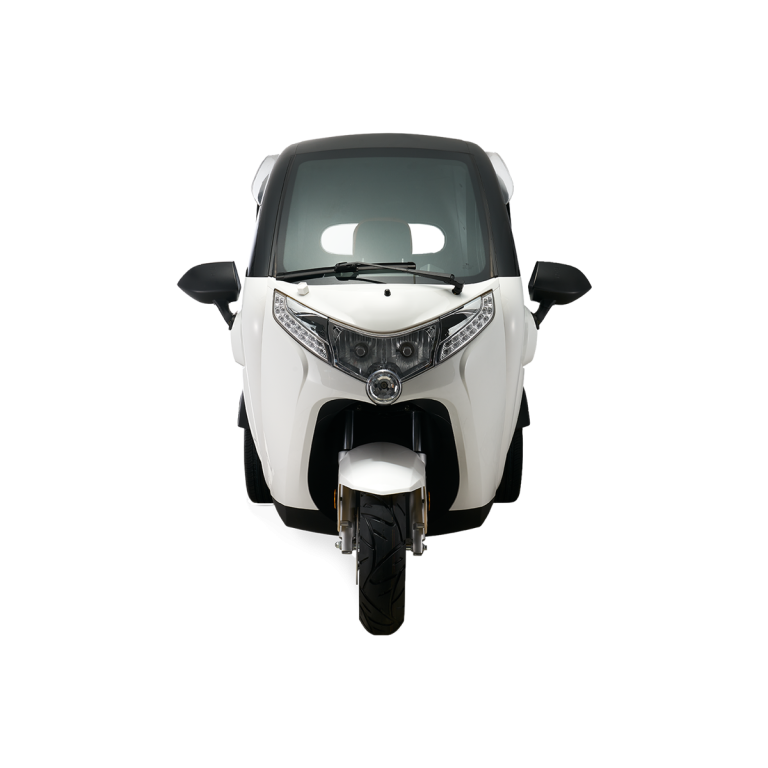
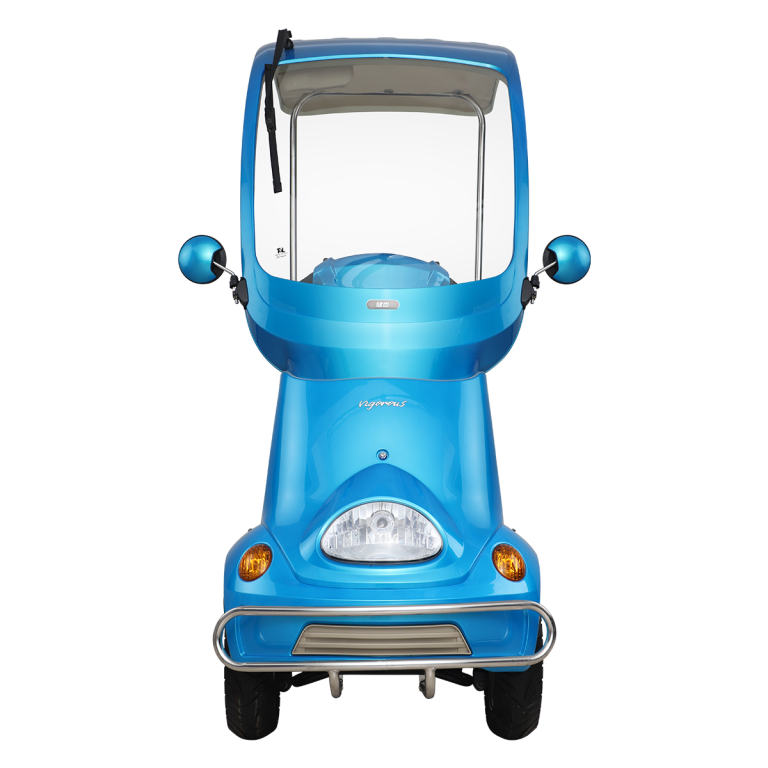
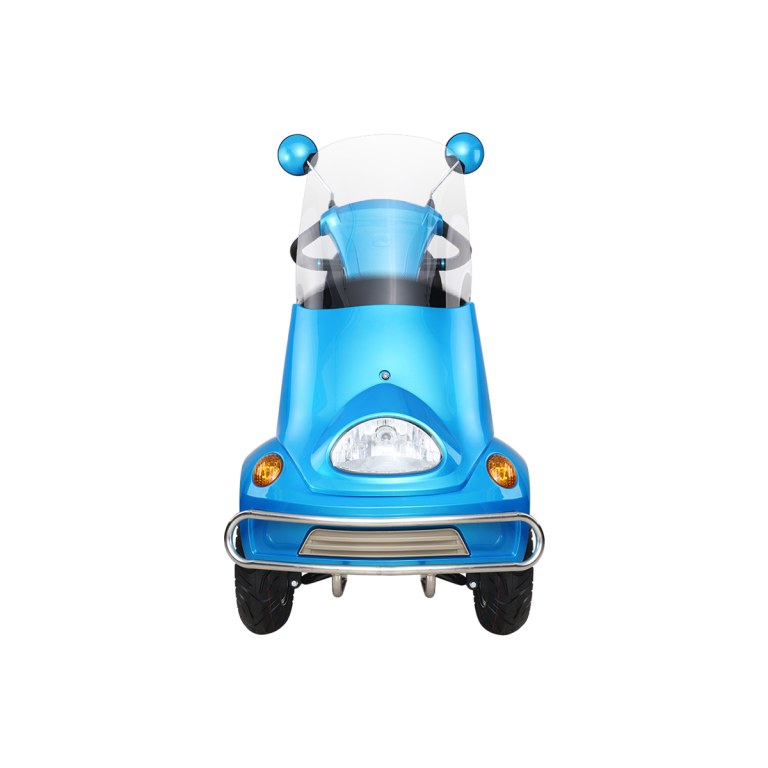




Can a 3 Wheel Scooter Really Be Tip-Resistant?
When comparing different 3 wheel scooter models, buyers may come across claims such as “anti-tip,” “tip-resistant,” or “high stability.” These descriptions sound reassuring, but how much do they tell you about the actual product?
A three-wheel design can offer good maneuverability and a compact structure. However, it also has physical limits that manufacturers need to consider during product development. Chassis dimensions, wheel positions, weight distribution, and riding conditions all affect vehicle stability.
For wholesalers and distributors, understanding these factors is important when evaluating suppliers and comparing products. Let’s look at what makes a 3 wheel scooter more stable and how buyers can assess claims about its resistance to tipping.

Can a 3-Wheel Scooter Tip Over?
Yes. A three-wheeled vehicle can tip over under certain conditions.
A typical three-wheel design has three points of contact with the ground. These points form a triangular support area. The vehicle’s weight needs to remain within this area to maintain balance.
During normal straight-line riding, the vehicle generally maintains its balance. However, when it turns, the forces acting on it change. If the vehicle leans too far and its center of gravity moves beyond the support area, one of the wheels may lose contact with the ground.
This is a physical characteristic of three-wheeled vehicles. It does not mean that all three-wheel models have poor stability, but it does explain why their design and intended use need careful consideration.
Physics of Turning: How Lateral Forces Affect Stability
Turning is an important situation when evaluating the stability of a 3 wheel scooter.
When a vehicle changes direction, it experiences lateral acceleration. From the rider’s perspective, this can feel like an outward force pushing the vehicle toward the outside of the turn.
Several conditions can increase the risk of tipping:
High speed: Higher speed during a turn increases lateral acceleration.
Sharp turning angle: A tighter turn can create greater lateral acceleration at the same speed.
Uneven surfaces: Slopes, road edges, and uneven ground can change the support conditions.
Weight distribution: A high or unevenly distributed load can affect the vehicle’s balance.
For example, taking a sharp turn at high speed creates a different stability challenge from making a gentle turn at low speed.
This is why manufacturers need to consider turning behavior during product development. Buyers should also pay attention to how a model responds during normal turning rather than judging it only by its appearance or motor power.
The 5 Key Design Factors Affecting 3 Wheel Mobility Scooter Stability
Several design factors work together to influence stability. The following table provides a useful starting point for B2B buyers comparing different models.
| Design Dimension | Physical Impact | B2B Evaluation Focus |
|---|---|---|
| Overall Width & Track Width | Affect the lateral support area and vehicle dimensions | Compare chassis width and wheel spacing |
| Wheelbase | Influences turning behavior and front-to-rear weight distribution | Check wheelbase and turning radius |
| Center of Gravity | A lower center of gravity generally helps reduce tipping tendency | Check battery position and weight distribution |
| Tire Design | Affects road contact, grip, and handling response | Compare tire size, type, and configuration |
| Suspension Setup | Influences body movement and wheel contact on uneven surfaces | Check suspension configuration and riding performance |

1. Overall Width and Track Width
Overall width and track width are related, but they are not the same measurement.
Overall width refers to the widest part of the vehicle. Track width refers to the distance between the centerlines of the wheels on the same axle.
For a three-wheel design, the distance between the supporting wheels affects the lateral support area. A wider wheel spacing can provide a broader base, although the actual stability also depends on the position of the third wheel and the vehicle’s center of gravity.
For buyers, overall width also matters when considering storage space, transportation, and access through narrow entrances.
2. Wheelbase
Wheelbase is the distance between the front and rear wheel positions.
It affects the vehicle’s turning characteristics, overall dimensions, and front-to-rear weight distribution.
A shorter wheelbase can help create a compact design, while a longer wheelbase may require more turning space. Neither configuration is automatically better. The right design depends on the intended riding environment and the complete chassis layout.
3. Center of Gravity and Suspension Design
The position of heavy components, especially the battery, affects the vehicle’s center of gravity.
Placing heavier components lower in the chassis can help reduce the overall center of gravity. Their front-to-rear position also influences weight distribution.
Suspension setup affects how the vehicle responds to road surfaces, body movement, and wheel contact. Its performance needs to be considered together with the chassis and wheel arrangement.
These details can make a difference when comparing models with similar external dimensions.
4. Tire Design
Tire size, type, and position affect how the vehicle contacts the road.
Tires with suitable specifications can provide appropriate grip and handling for the intended riding environment. However, simply increasing tire size does not guarantee better stability.
Buyers should compare the complete tire configuration and understand whether it matches the vehicle’s weight, speed, and intended application.
5. Anti-Tip Wheels
Some three-wheel mobility models use additional anti-tip wheels to provide mechanical support in certain situations.
These wheels are different from the main driving wheels. Their position, ground clearance, and mounting structure determine when they can provide additional support.
For buyers, it is worth checking whether the model has anti-tip wheels, where they are installed, and what function they are designed to perform.
Their presence should not be treated as a guarantee against tipping under all conditions.

How Chassis Design Improves Stability
Manufacturers can improve the stability characteristics of a 3 wheel scooter through several design decisions.
Chassis layout: The position of the wheels and the dimensions of the frame influence the vehicle’s support area.
Weight distribution: Battery placement and the arrangement of major components affect the center of gravity.
Suspension configuration: Suitable suspension settings help control body movement and maintain wheel contact on uneven surfaces.
Tire selection: Tire specifications need to match the vehicle’s weight and intended riding conditions.
Additional support features: Anti-tip wheels can provide extra mechanical support in specific situations.
These elements need to work together. Changing one component without considering the rest of the vehicle may not produce the expected improvement.
What Does "Tip-Resistant" Actually Mean?
Tip-resistant describes a vehicle designed to resist tipping under certain conditions. It does not mean the vehicle is impossible to tip over.
This distinction is important when evaluating product claims from different suppliers.
For example, a manufacturer may highlight a wider chassis, larger tires, or additional anti-tip wheels. These features provide information about the design, but they do not independently prove how the complete vehicle performs.
Professional B2B buyers should examine measurable specifications and ask suppliers for supporting information.
Useful questions include:
What are the overall width and track width?
What is the wheelbase?
Where are the battery and other heavy components positioned?
Does the model have additional anti-tip wheels?
What suspension configuration does it use?
Are there stability-related test records?
Under what conditions were the tests conducted?
A clear explanation of the design and available test information provides a stronger basis for evaluating a product than a general marketing description.
A B2B Checklist for Evaluating 3-Wheel Scooter Stability
For importers, wholesalers, and distributors, checking stability-related information should be part of the supplier evaluation process.
Here are three practical steps.
1. Review the Technical Specifications
Start with the manufacturer’s specification sheet.
Compare overall dimensions, wheelbase, tire size, vehicle weight, and maximum load. These figures help you understand the basic design and identify differences between models.
2. Evaluate a Sample Before a Larger Order
When possible, arrange a sample evaluation before placing a larger order.
During the evaluation, pay attention to:
Steering response during normal turns.
Vehicle behavior when changing direction.
Rider position and weight distribution.
Response to different normal road surfaces.
Overall handling and riding comfort.
A sample gives buyers a chance to experience the complete vehicle. It also helps identify differences that may not be obvious from a specification sheet.
3. Match the Design to Your Target Market
Different markets may have different expectations for three-wheel models.
Some customers prefer compact vehicles that are easier to maneuver in limited spaces. Others may prioritize seating arrangements, carrying capacity, or riding comfort.
Buyers should consider these preferences alongside the technical specifications when deciding which models to introduce.
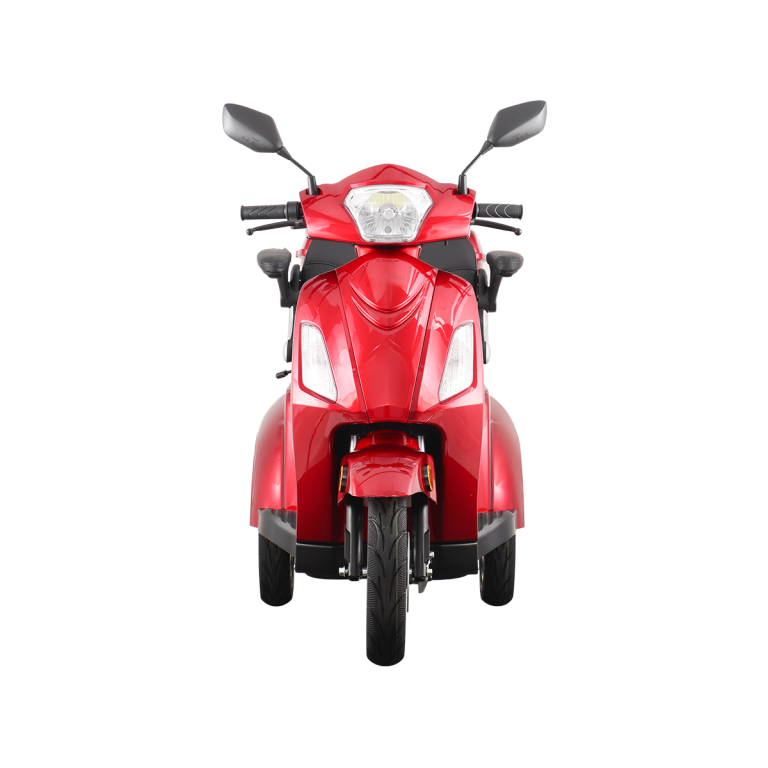
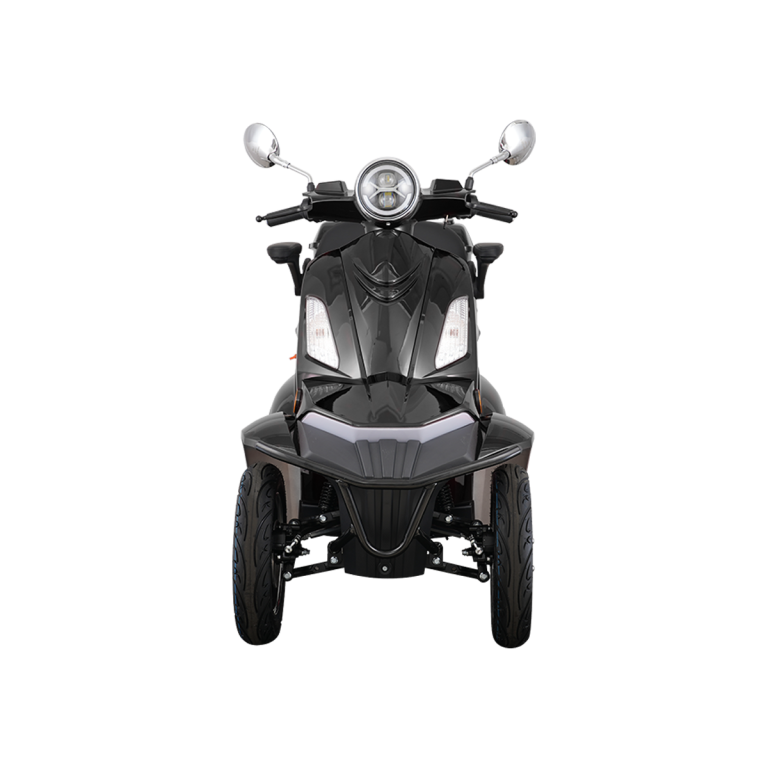
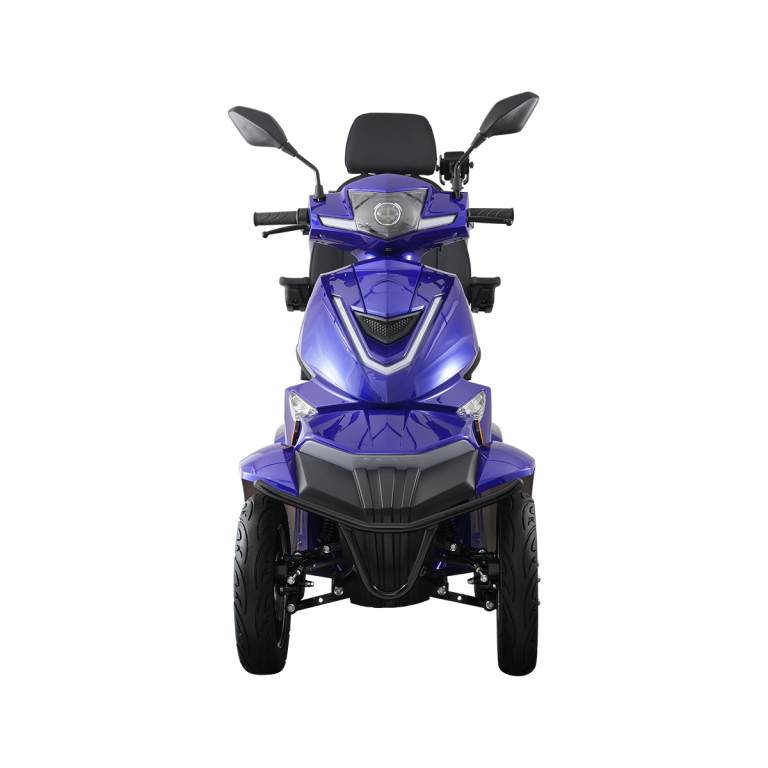
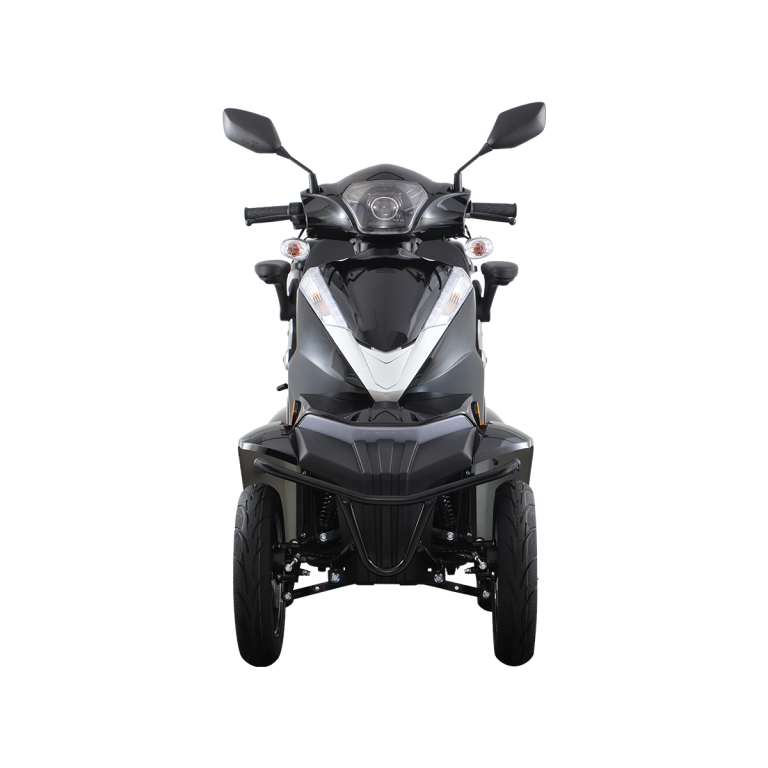
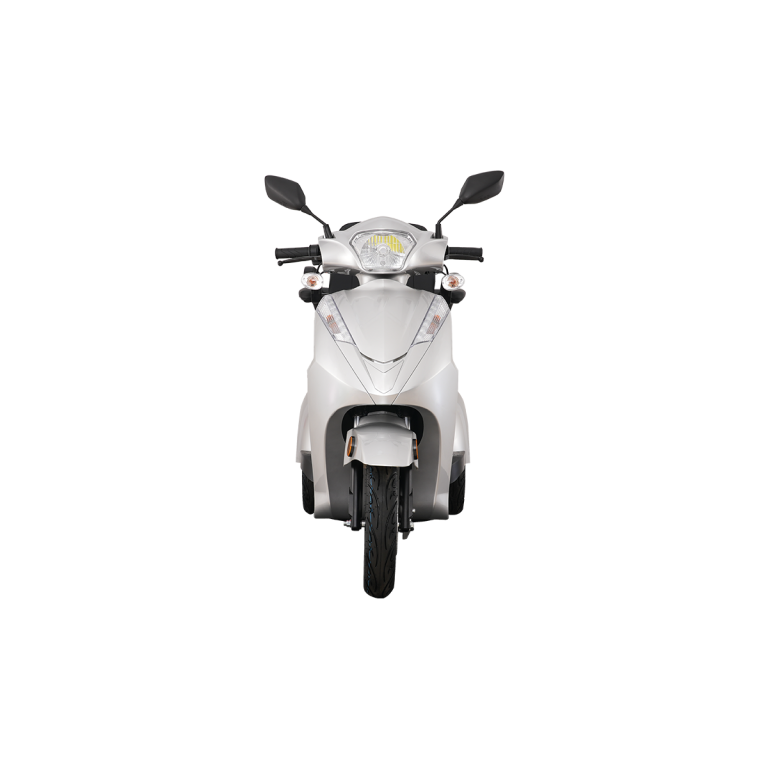
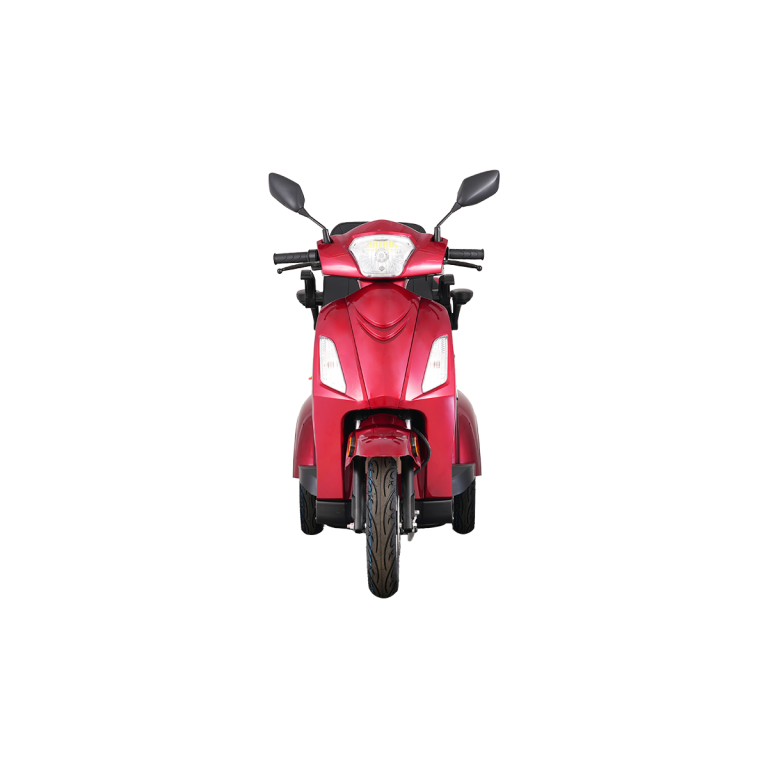
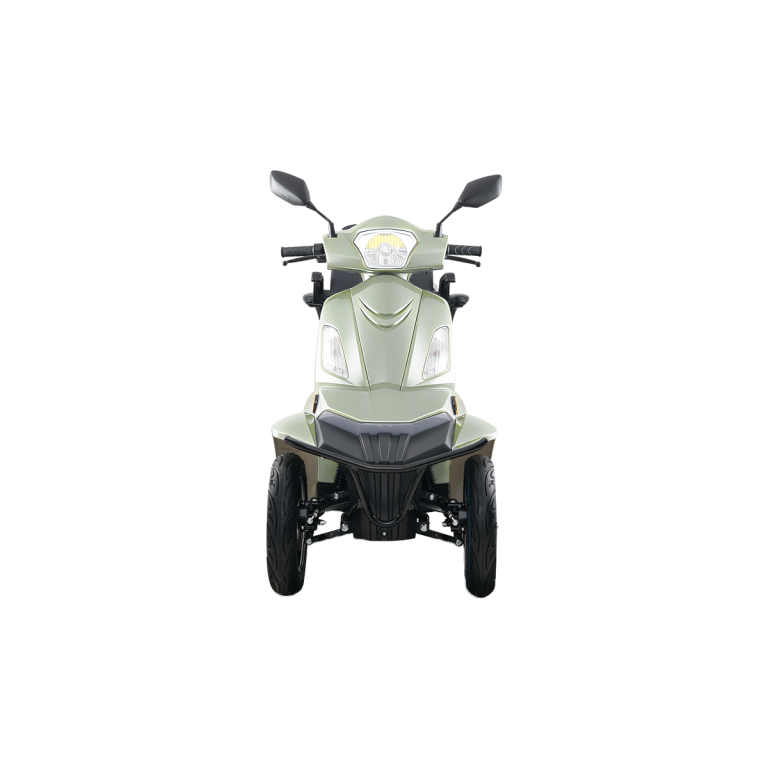
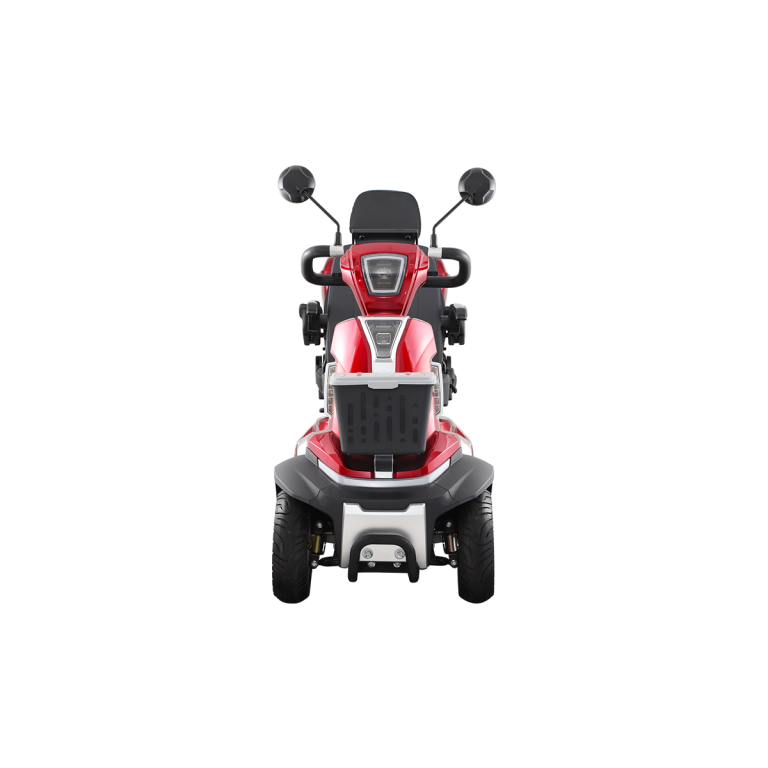
VIGROUS 3 Wheel Scooter Range
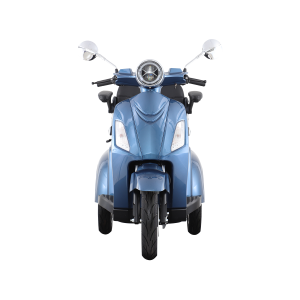
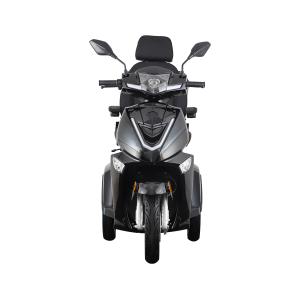
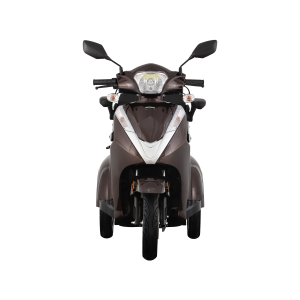
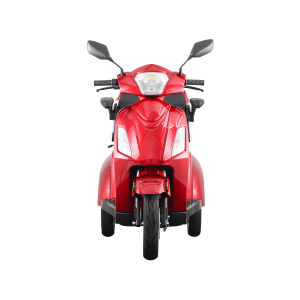
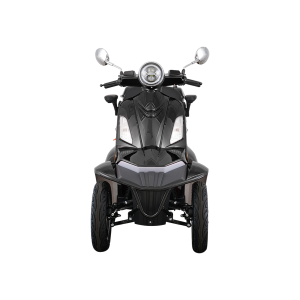
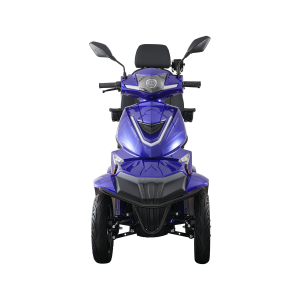
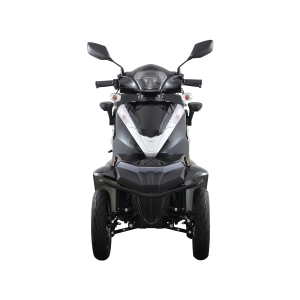
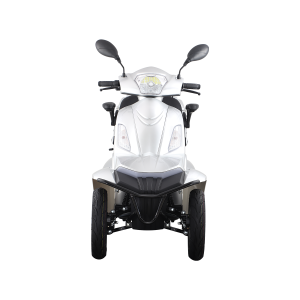
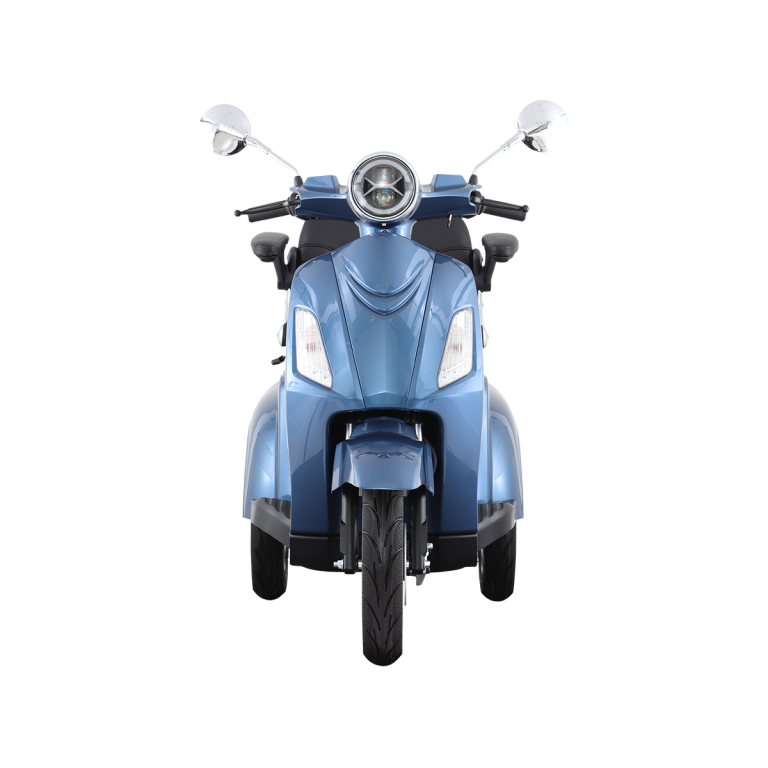
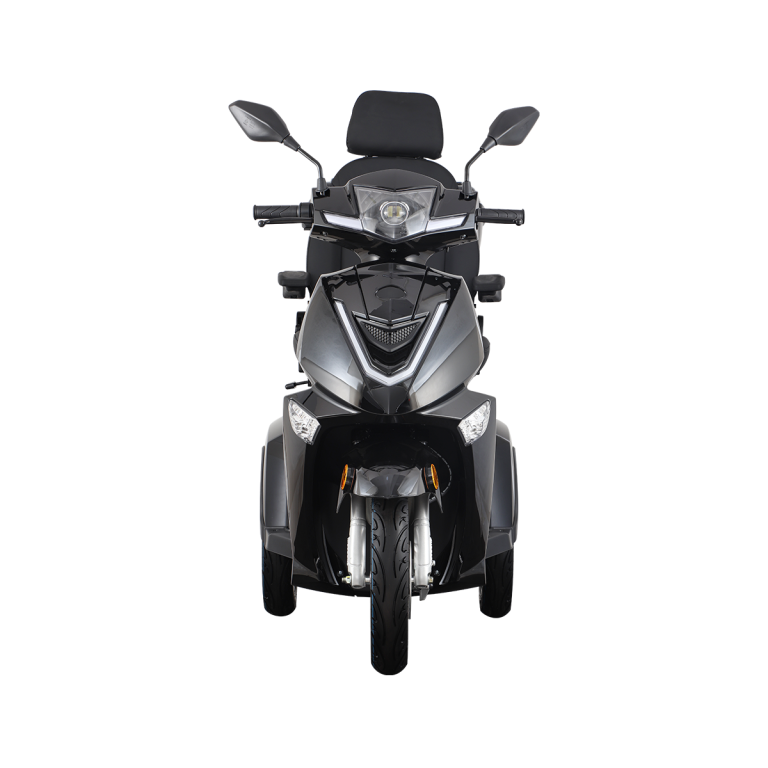
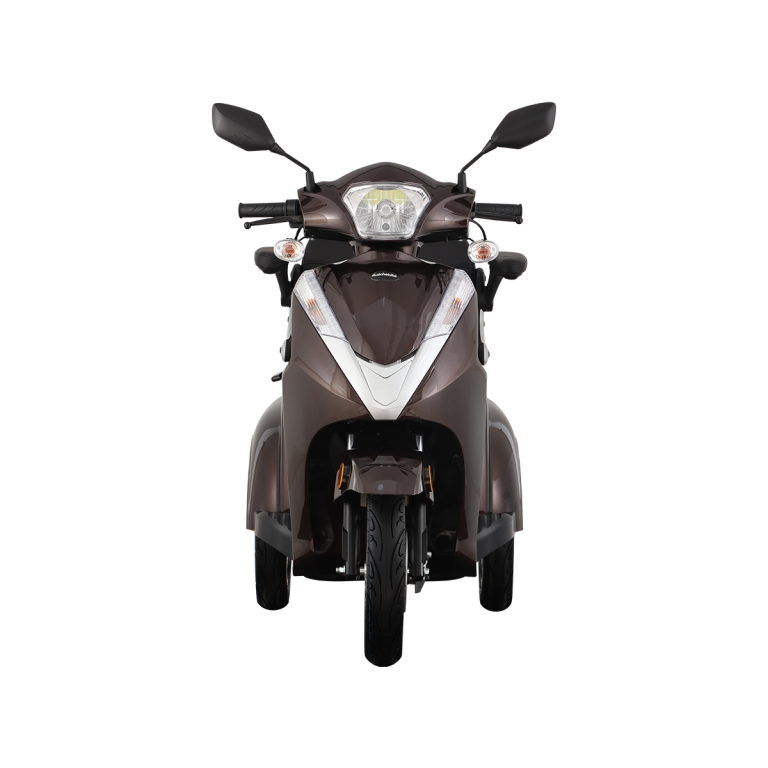
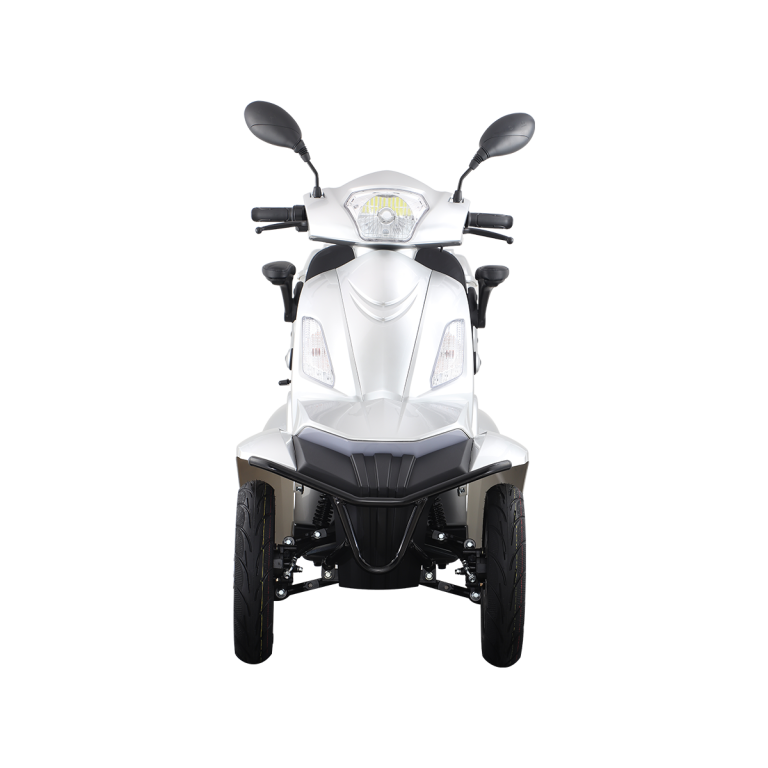
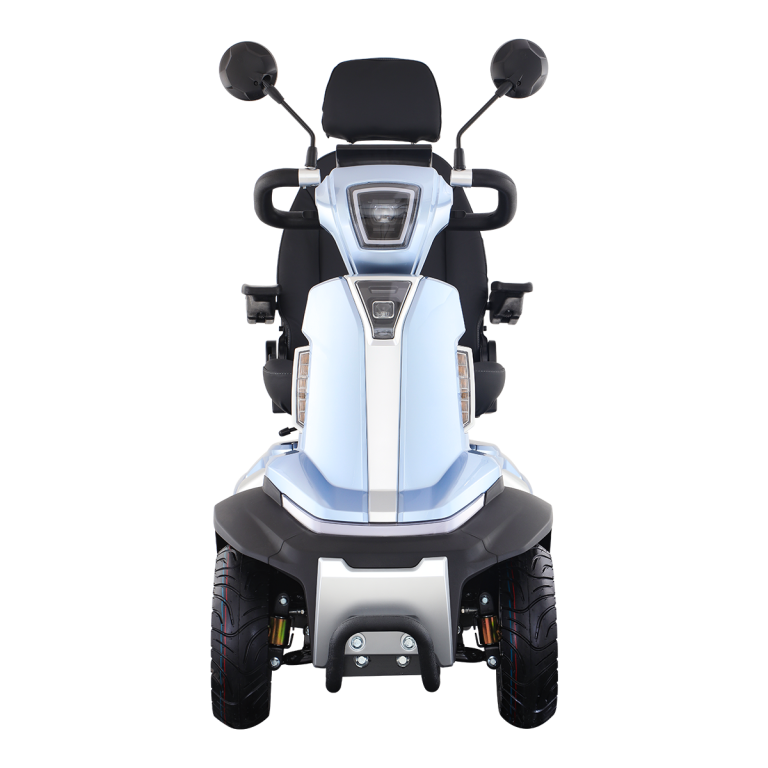
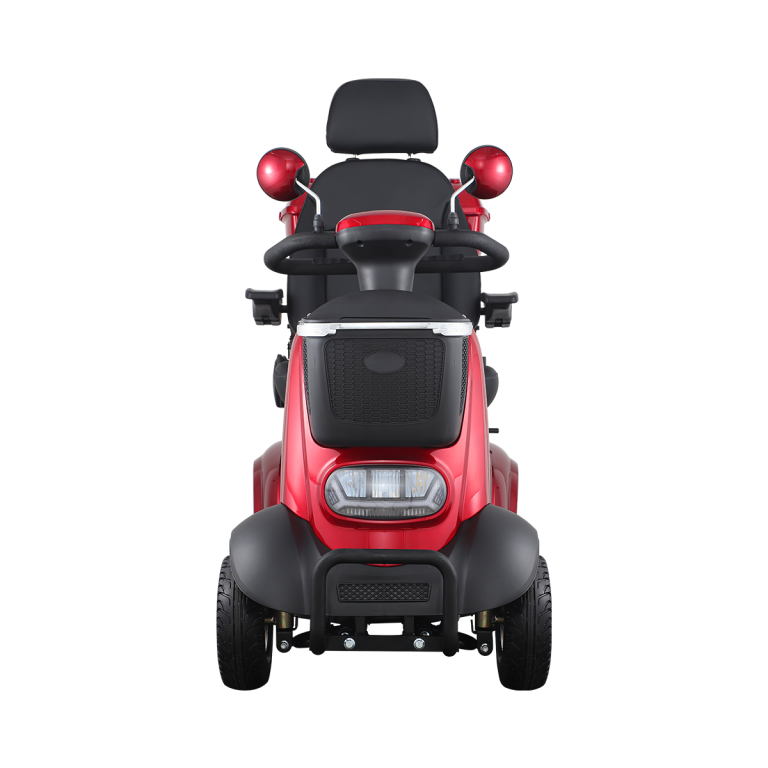
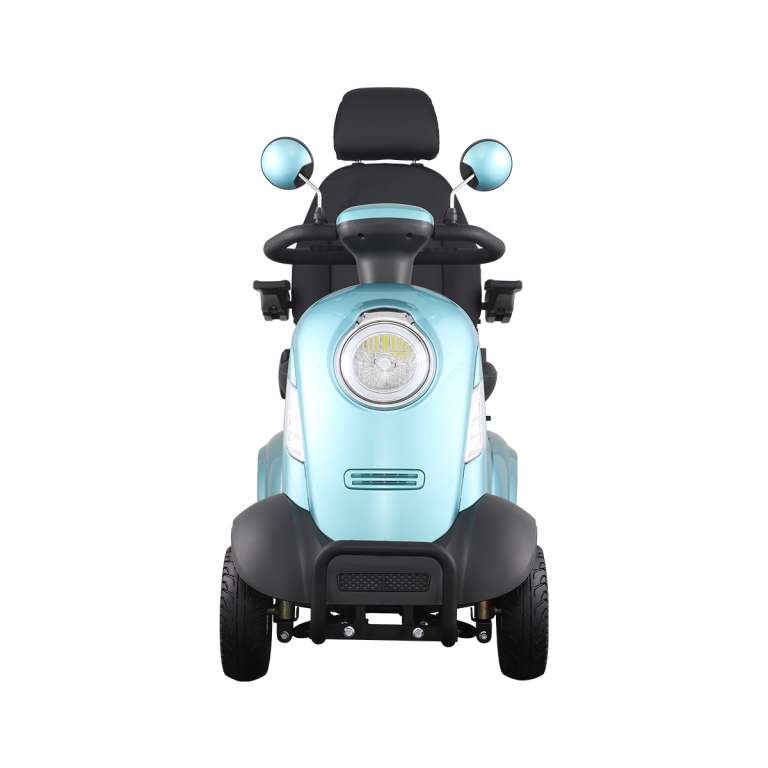
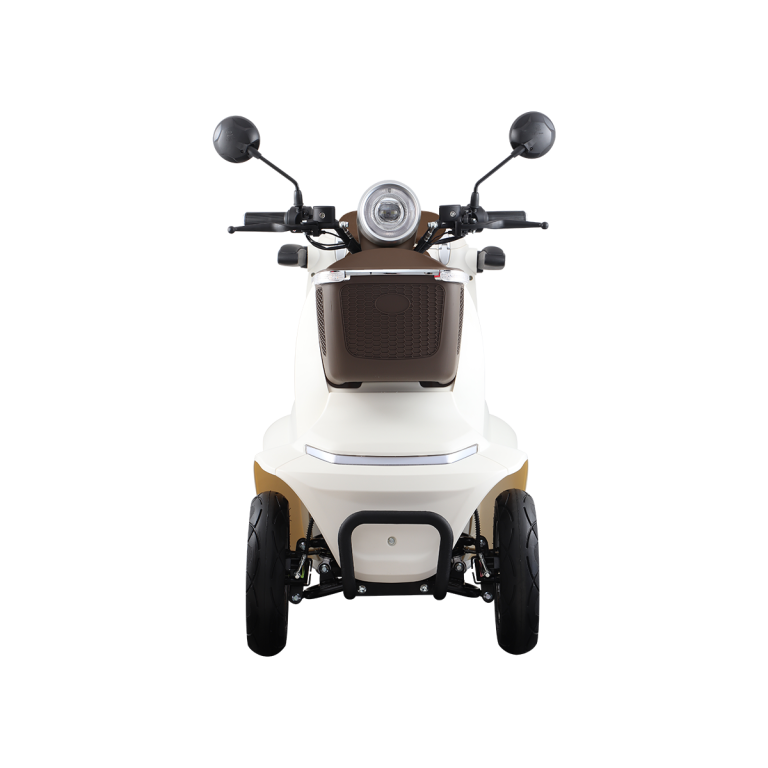
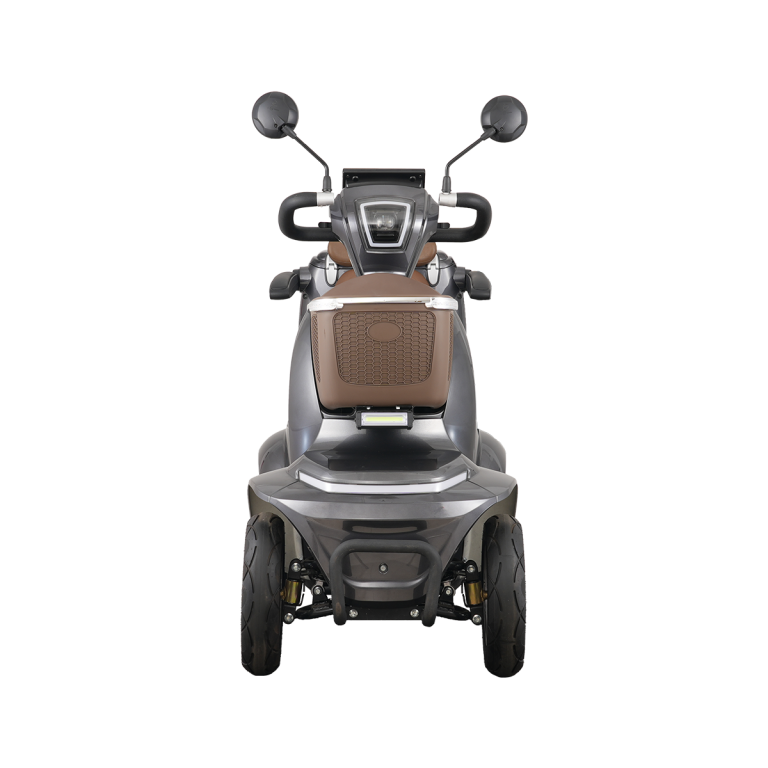
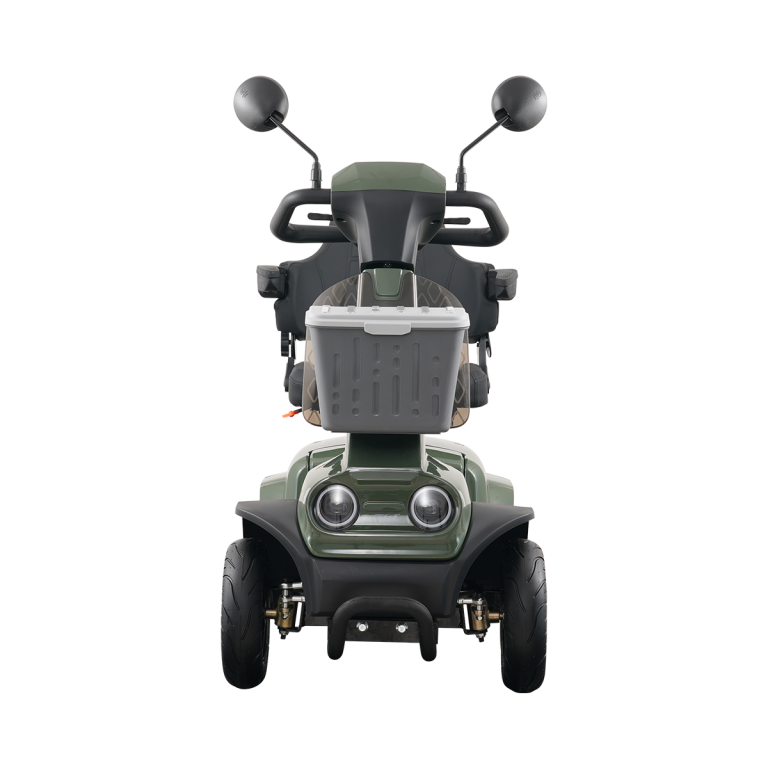
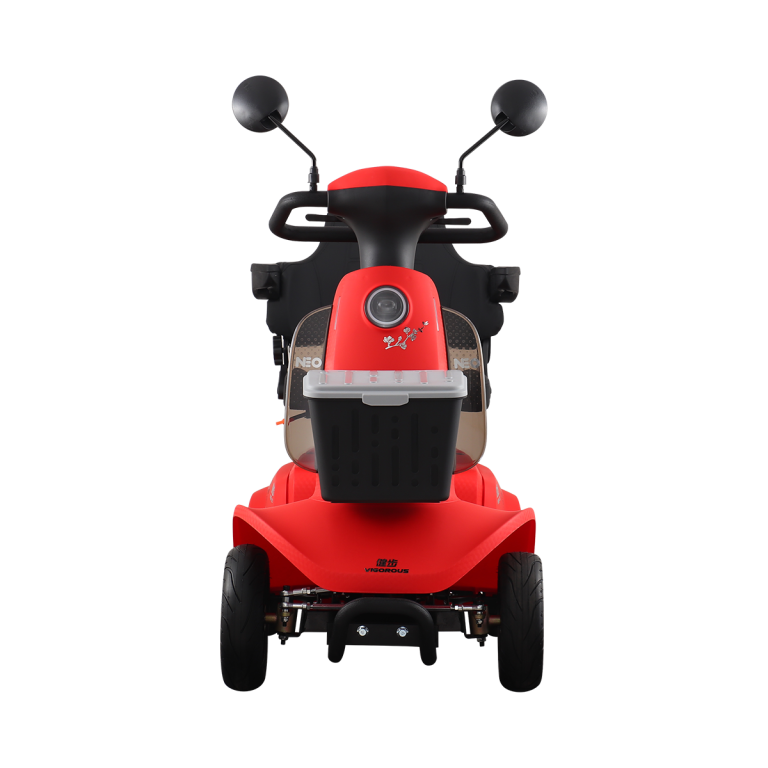
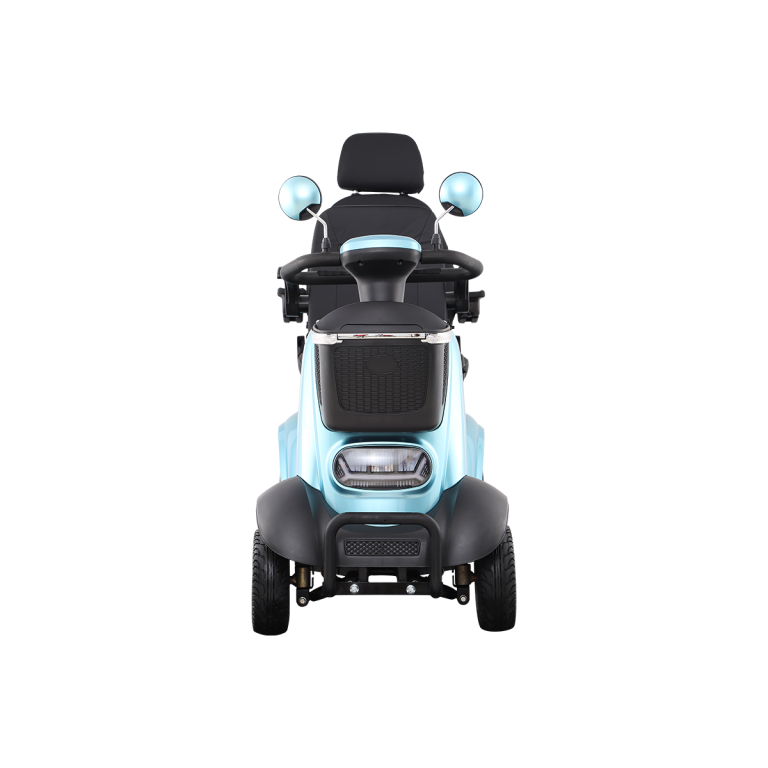
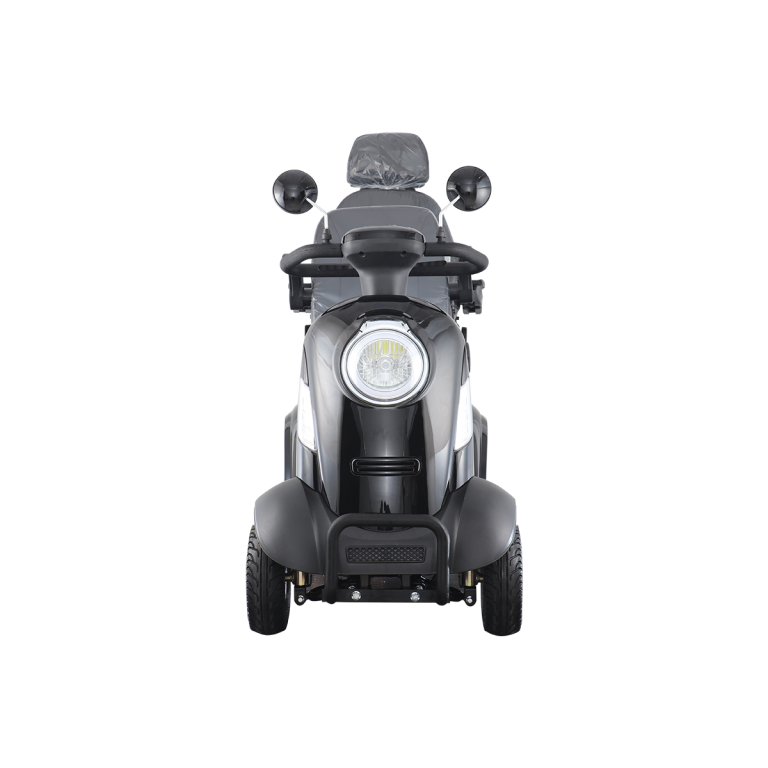
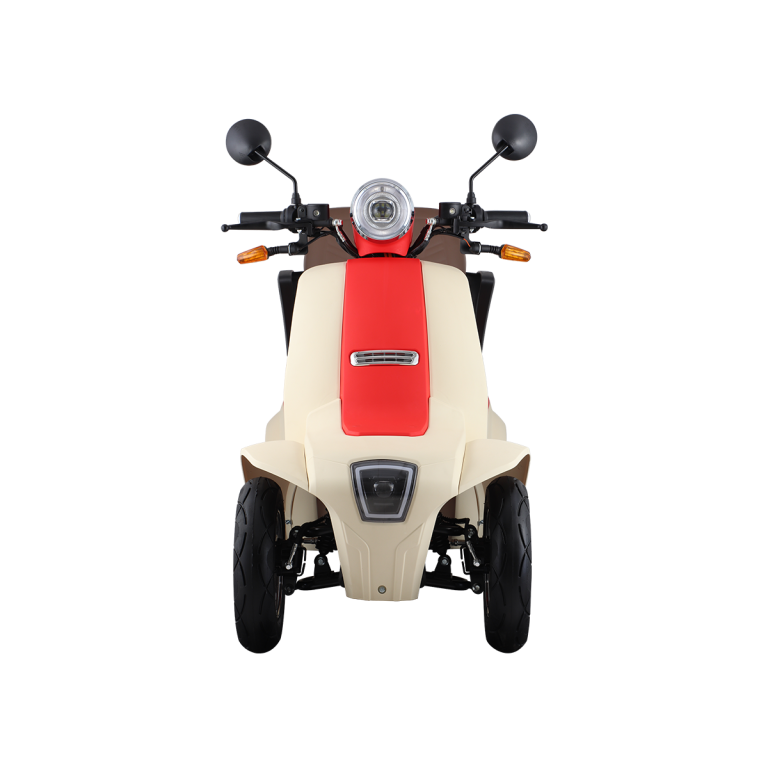
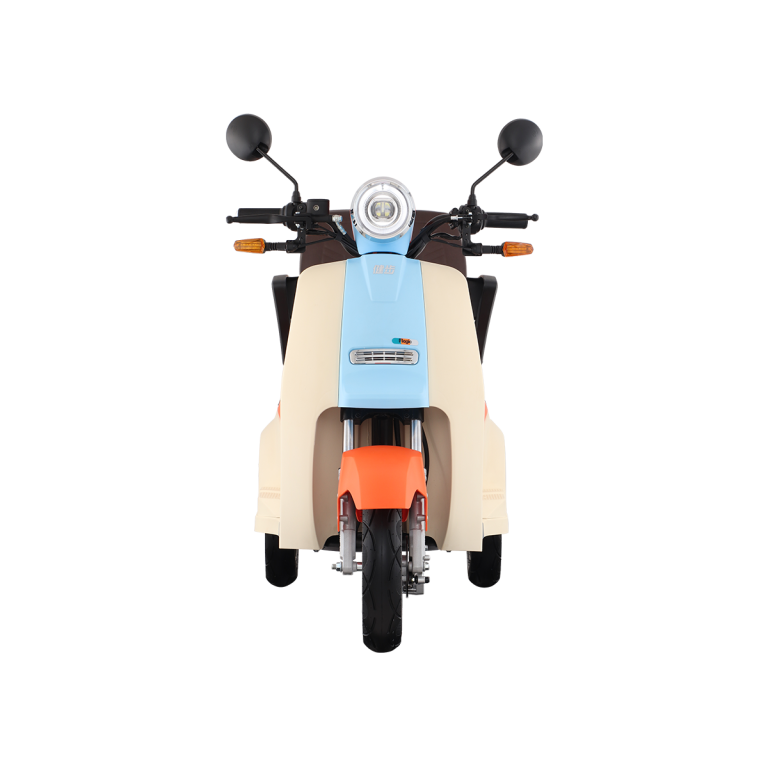
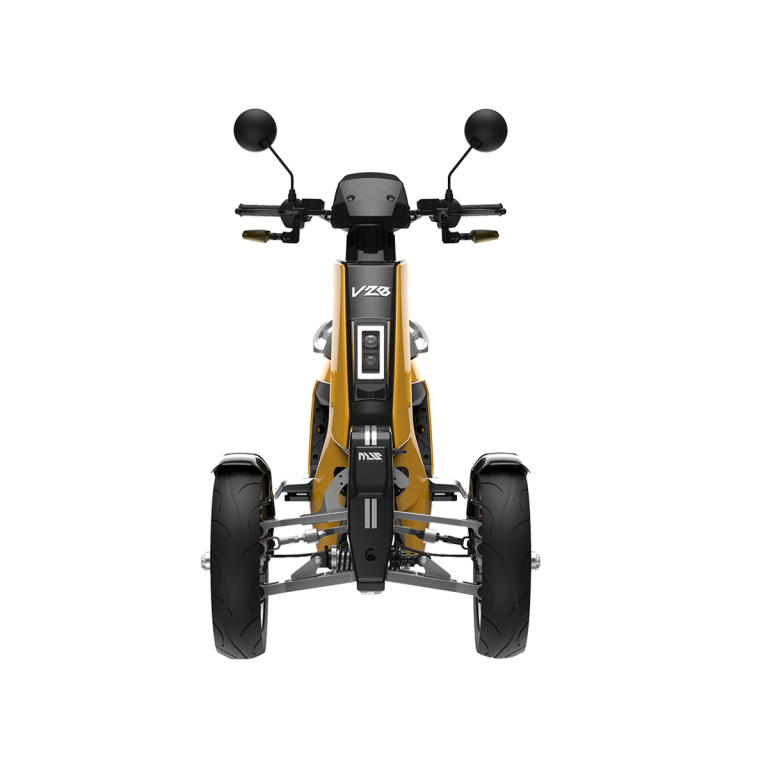
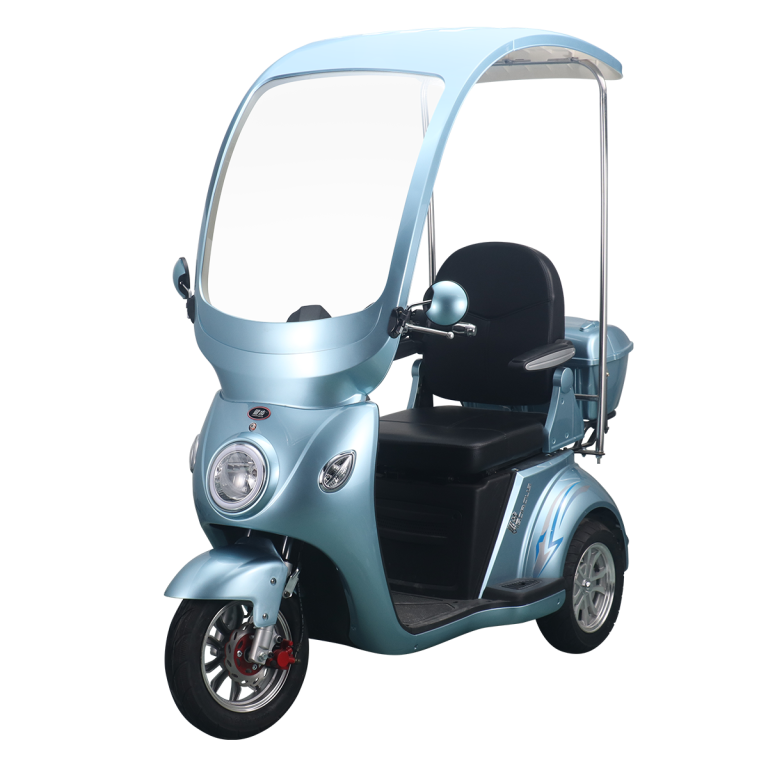
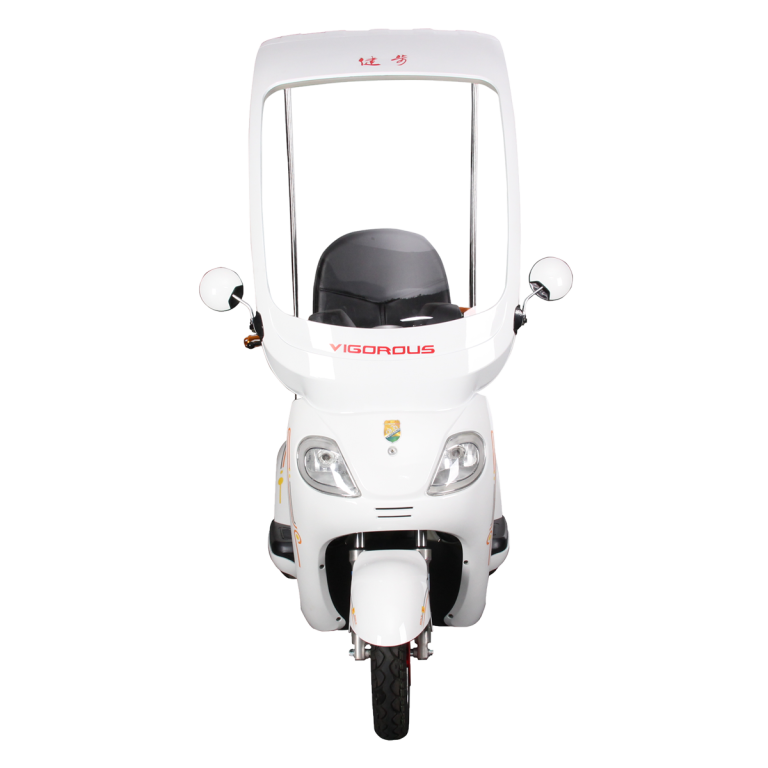
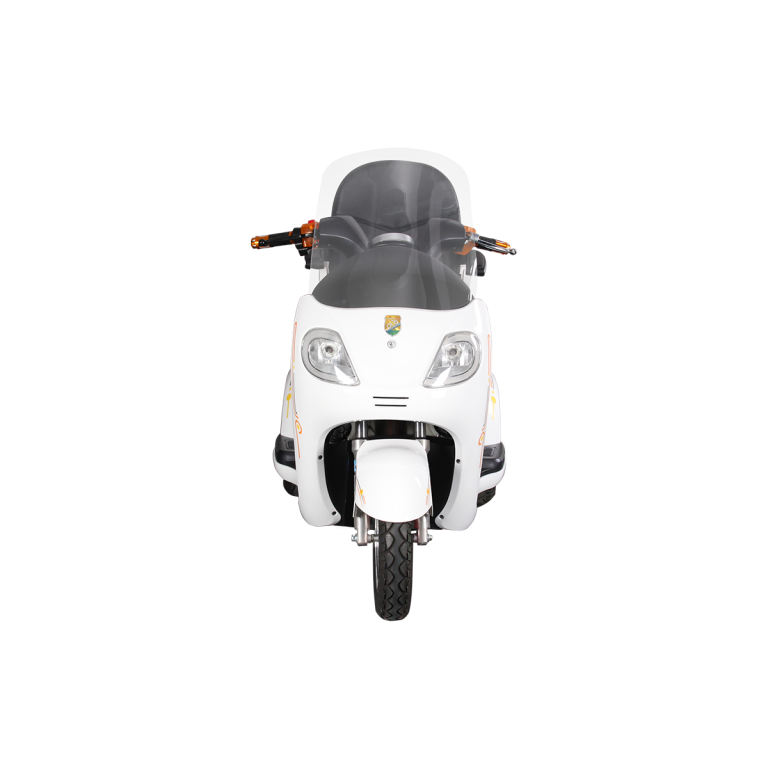
VIGROUS offers several three-wheel models with different product designs and configurations. These include Vista-Pro, V28, Magic-Q1, Vista-L2 and more.
Each model can be evaluated according to its dimensions, configuration, performance specifications, and intended application.
| Model | Product Information |
|---|---|
| Vista-Pro | View Product Specifications |
| V28 | View Product Specifications |
| Magic-Q1 | View Product Specifications |
| Vista-L2 | Three-wheel, two-seat model. View Product Specifications |
For distributors and importers, comparing these models provides a starting point for understanding the available product configurations.
When evaluating a particular model, buyers can contact the VIGROUS team for its technical specifications, product details, and available supporting information.
Looking for a 3 wheel scooter supplier? Contact VIGROUS to discuss product specifications, sample evaluation, and potential wholesale or OEM/ODM cooperation.